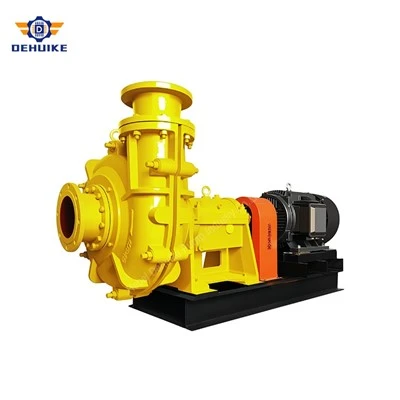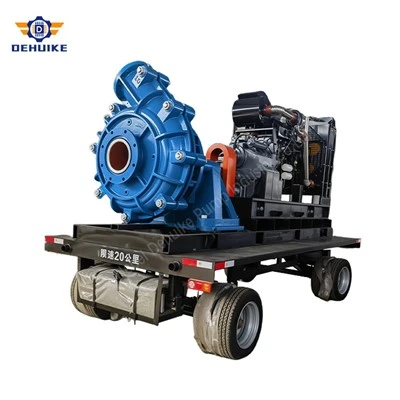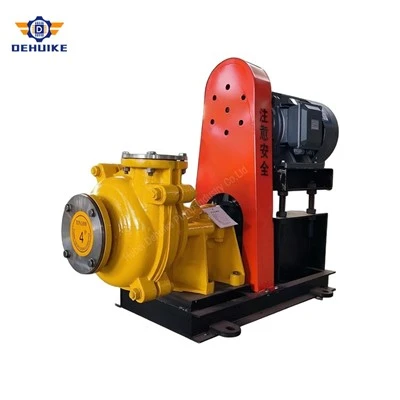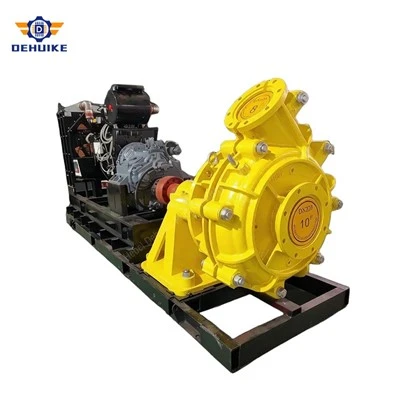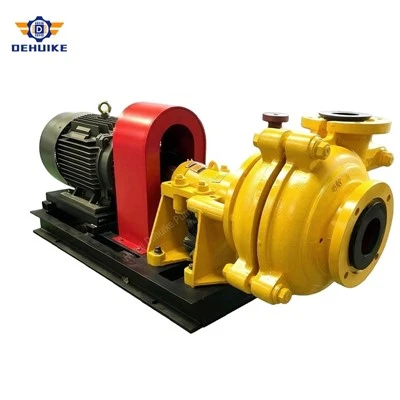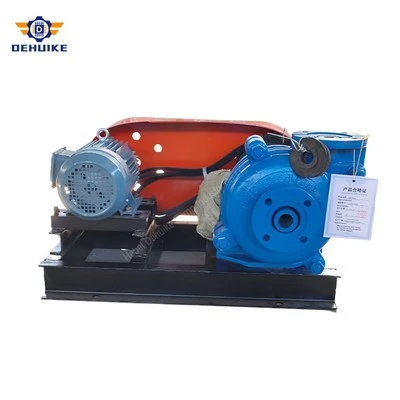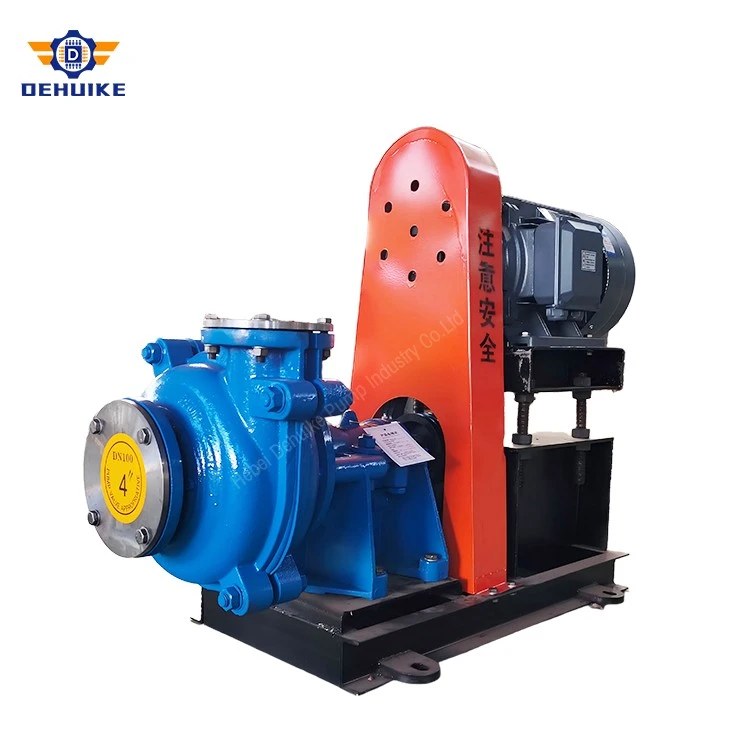
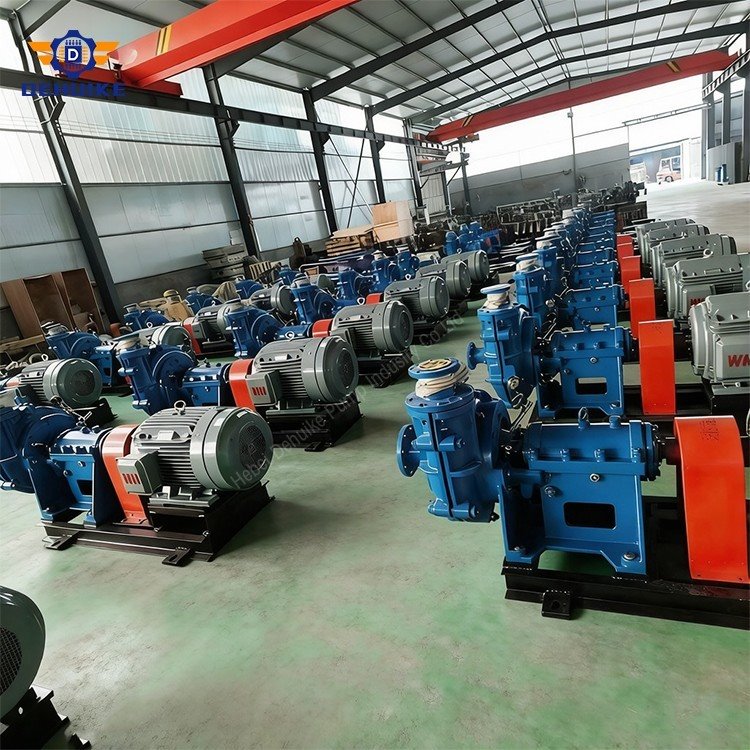
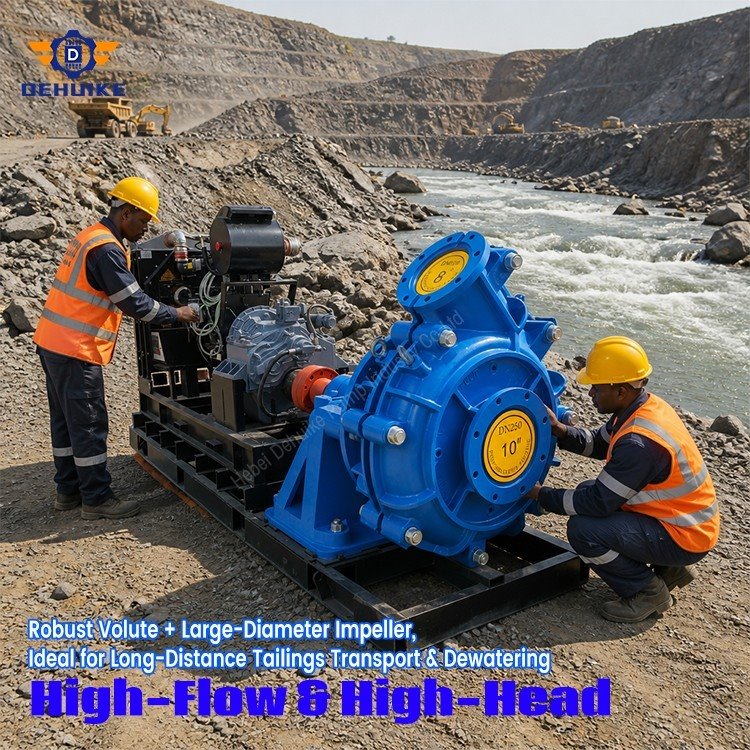
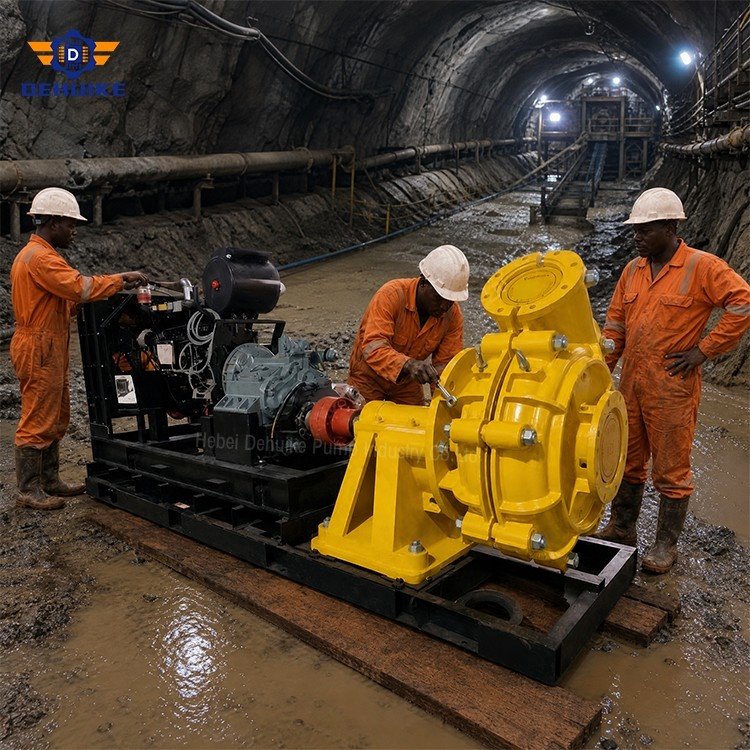
Hebei Dehuike Pump Industry Co., Ltd. is one of the most reliable manufacturers and suppliers of rubber lined slurry pump in China. With abundant experience, we are committed to providing high quality customized pumps with competitive price. Welcome to wholesale bulk rubber lined slurry pump for sale here from our factory. Also, pricelist is available.
Product Positioning
Rubber Lined Slurry Pump for Fine Particle and Chemical Process Media
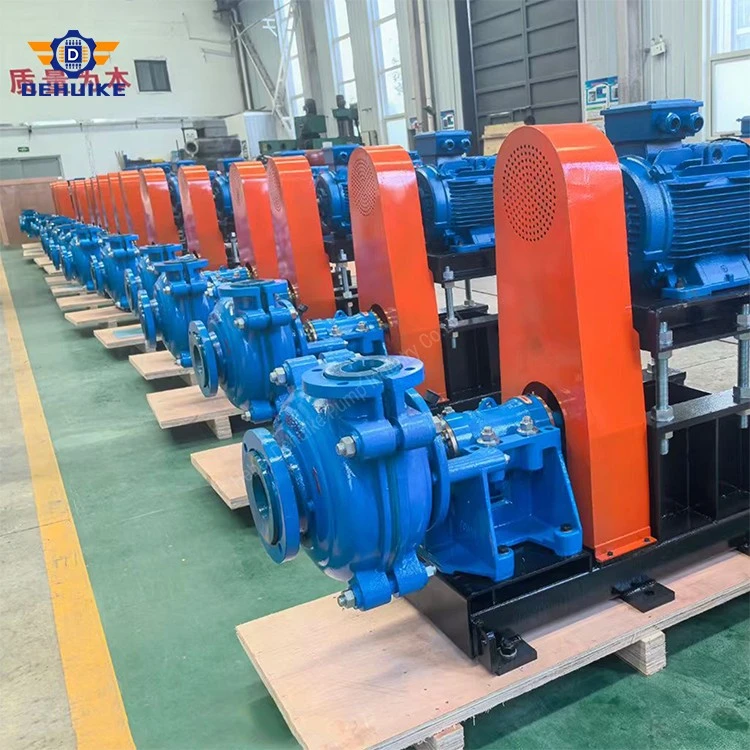
A Rubber Lined Slurry Pump uses an elastomer lining on selected wetted surfaces to separate the transported medium from the main casing. This arrangement is commonly considered when the slurry contains fine or medium-size particles, moderate abrasion and chemical components that require a carefully selected wet-end material. The lining is not simply a soft coating added to a standard pump; its thickness, profile, attachment, hardness, temperature range and chemical compatibility must correspond to the pump design and process conditions.
The practical role of a Rubber Lined Slurry Pump is to provide a replaceable, chemically compatible surface in areas exposed to the slurry. Rubber can absorb some particle impact and may offer a suitable surface for fine-particle service when the operating conditions remain within the approved limits. It is not automatically the best choice for every abrasive duty. Coarse sharp particles, high temperature, incompatible chemicals, excessive velocity or incorrect clearance can reduce lining performance.
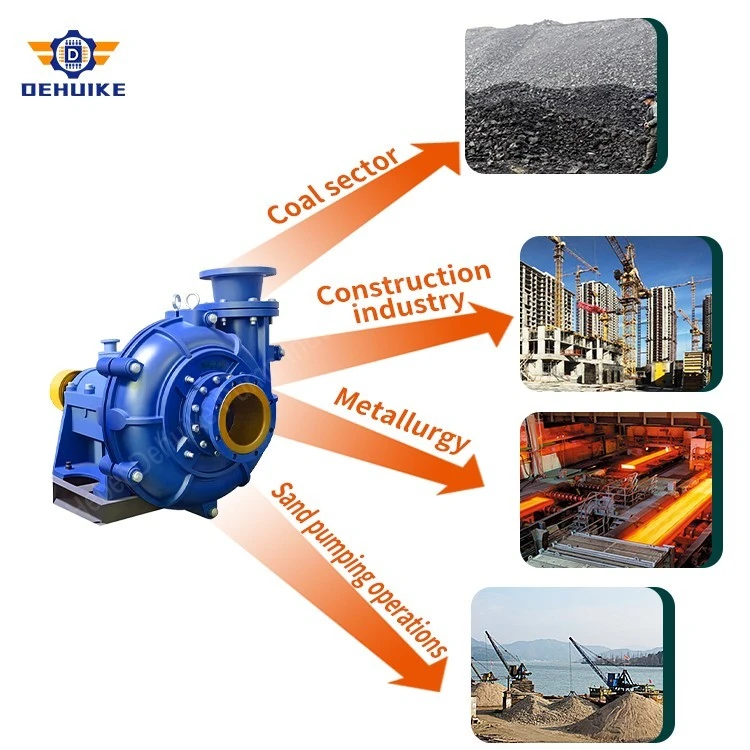
This product-family page is prepared for mineral processing plants, chemical process lines, sand recovery systems, residue handling, industrial wastewater and equipment maintenance teams. It explains the lining concept, material selection, hydraulic operation, installation, inspection and project documentation. Model-specific flow, total head, power, speed, lining material and temperature limits must be completed using the approved curve, drawing, nameplate and current manual.
Elastomer Lining Function
Surface protection
The lining forms the wetted interface between the slurry and the structural casing or other supporting component. When correctly selected, it can reduce direct exposure of the main metal body and provide a defined replacement surface. The final lining arrangement should be read from the model drawing because not every internal area has the same flow, pressure or wear condition.
Impact response
Elastomer materials may accommodate certain fine or rounded particle impacts differently from hard metal surfaces. The benefit depends on particle size, shape, velocity and impact angle. A rubber-lined configuration should not be presented as suitable for large, sharp solids without checking the allowable particle range and lining design.
Chemical barrier
The lining material should be selected against the actual chemical composition, concentration, temperature and exposure time. A material may resist one process chemical while swelling, hardening, softening or losing adhesion in another. Chemical compatibility must cover the lining, exposed seal components and any flushing liquid.
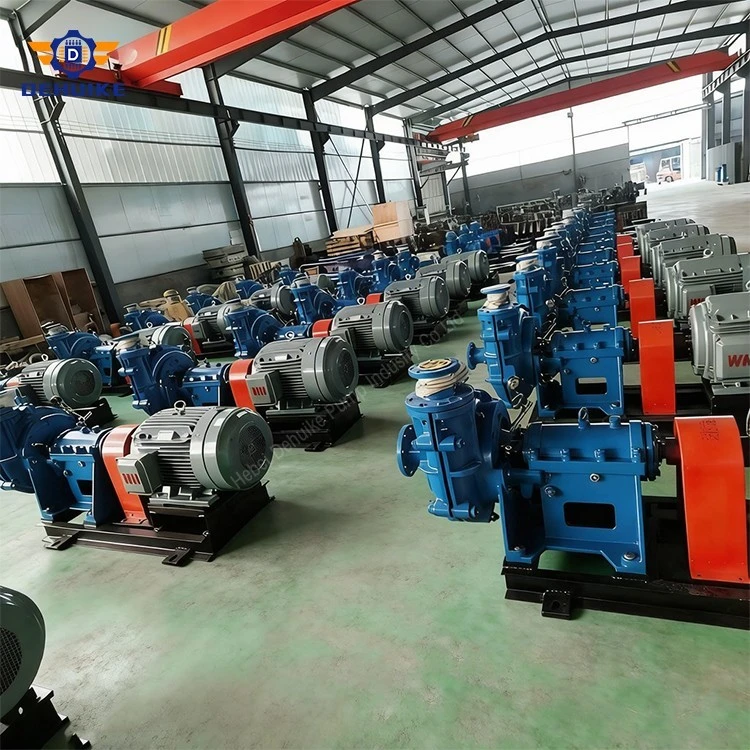
Lining Material and Process Boundaries
"Rubber lined" does not identify one universal compound. The exact elastomer type, hardness, reinforcement, thickness, bonding method and applicable temperature range must be confirmed from the current technical specification. A product page should distinguish confirmed material, selectable material and information awaiting process review.
Fine and medium particles
Rubber lining is often considered for slurry with fine or moderately sized particles where the impact load remains within the approved design. Particle size distribution matters because a small amount of coarse material can create local damage even when the average particle size is fine.
Temperature and pressure
Temperature affects elastomer flexibility, hardness, expansion and chemical resistance. Pressure and vacuum conditions affect the lining support and sealing arrangement. The allowable range must be confirmed for the exact model and lining configuration rather than copied from a general material description.
Mechanical compatibility
The lining must remain correctly seated during rotation, pressure changes and temperature changes. Incorrect fit, damaged edges, trapped solids or excessive clearance can create local stress. Assembly should follow the drawing and manual for the ordered pump.
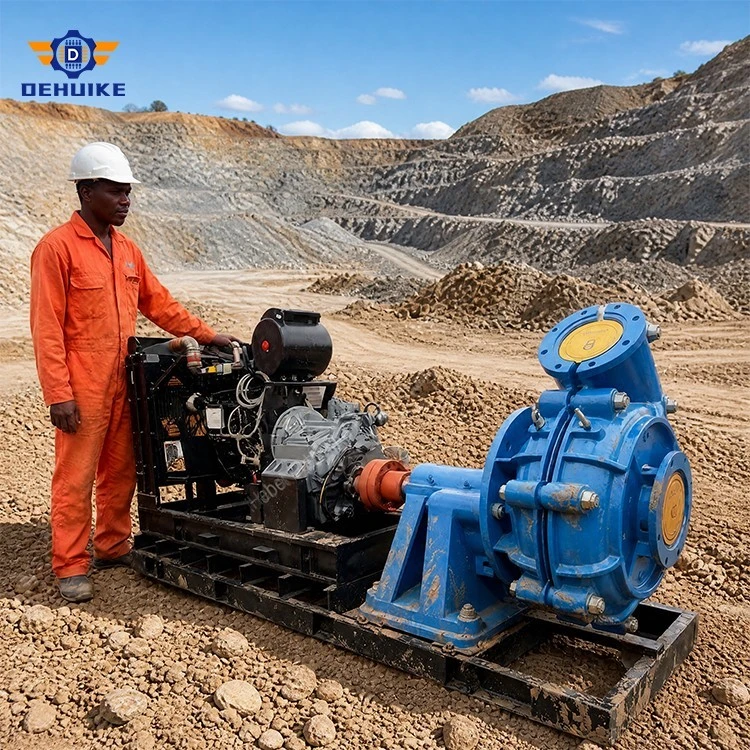
Technical Specifications/Model number
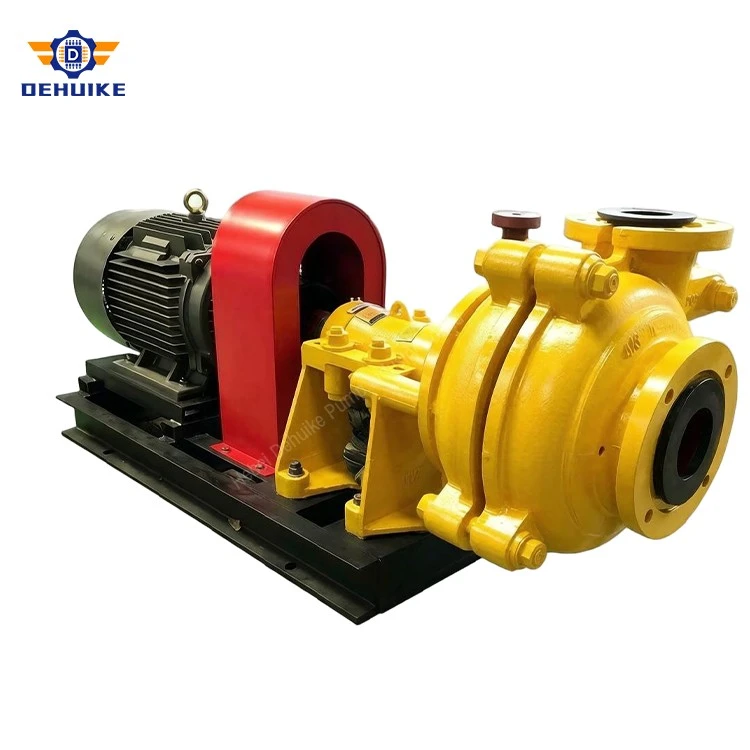
|
Parameter |
Listing value |
|
Pump type |
Abrasion-Resistant Horizontal Centrifugal Slurry Pump |
|
Model |
DAH Series |
|
Construction |
Horizontal, single-stage, single-suction, cantilever design |
|
Capacity |
Up to 5,400 m³/h |
|
Head |
Up to 120 m |
|
Speed |
370–3,500 r/min |
|
Size range reference |
25–500 mm |
|
Temperature reference |
1–90°C |
|
Casing |
Ductile iron |
|
Impeller |
High-chrome white iron; optional elastomer configuration |
|
Liner |
High-chrome white iron or elastomer |
|
Seal |
Gland packing; expeller or mechanical seal by configuration |
|
Drive |
Electric motor or diesel drive, subject to project requirements |
|
Customization |
Flow, head, speed, motor power, voltage, frequency, seal, material and spare parts |
|
MODEL |
Maximum |
Material |
Fresh Water Performance |
||||
|
Sheath |
Impeller |
Flow Q |
Flow Q |
LIFT |
|||
|
6/4D-HH |
60 |
M |
M |
162~360 |
45~100 |
12~56 |
|
|
6/4E-DAH |
120 |
M |
M |
162~360 |
45~100 |
12~56 |
|
|
6/4D-DAH |
60 |
M |
M |
180~396 |
50~110 |
7~6 |
|
|
6/4E-DAH |
120 |
M |
M |
180~396 |
50~110 |
7~6 |
|
|
6/4D-DAH |
60 |
RU |
RU |
144~324 |
40~90 |
12~45 |
|
|
6/4E-DAH |
120 |
RU |
RU |
144~324 |
40~90 |
12~45 |
|
|
6/4D-DAH |
60 |
M |
M |
144~324 |
40~90 |
10~52 |
|
|
6/4E-DAH |
120 |
M |
M |
144~324 |
40~90 |
10~52 |
|
|
6/4D-DAH |
60 |
M |
M |
162~360 |
45~100 |
21~64 |
|
|
6/4E-DAH |
120 |
M |
M |
162~360 |
45~100 |
21~64 |
|
|
6/4D-DAH |
60 |
M |
M |
126~288 |
35~80 |
10~55 |
|
|
6/4E-DAH |
120 |
M |
M |
126~288 |
35~80 |
10~55 |
|
|
6/4S-HH |
560 |
M |
M |
324~720 |
90~200 |
30~118 |
|
|
6S-H |
560 |
M |
M |
468~1008 |
30~280 |
20~94 |
|
|
8/6E-DAH |
120 |
M |
M |
360~828 |
100~230 |
10~61 |
|
|
8/6R-DAH |
300 |
M |
M |
360~828 |
100~230 |
10~61 |
|
|
MODEL |
Maximum |
Material |
Fresh Water Performance |
||||
|
Sheath |
Impeller |
Flow Q |
Flow Q |
LIFT |
|||
|
8/6E-DAH |
120 |
M |
M |
324~720 |
90~200 |
7~49 |
|
|
8/6R-DAH |
300 |
M |
M |
324~720 |
90~200 |
7~49 |
|
|
8/6E-DAH |
120 |
M |
M |
360~828 |
100~230 |
7~70 |
|
|
8/6R-DAH |
300 |
M |
M |
360~828 |
100~230 |
7~70 |
|
|
8/6E-DAH |
120 |
RU |
RU |
360~828 |
100~230 |
7~52 |
|
|
8/6R-DAH |
300 |
RU |
RU |
360~828 |
100~230 |
7~52 |
|
|
8/6E-DAH |
120 |
M |
M |
288~648 |
80~180 |
5~47 |
|
|
8/6R-DAH |
300 |
M |
M |
288~648 |
80~180 |
5~47 |
|
|
8/6T-HH |
1200 |
M |
M |
576~1152 |
160~320 |
32~95 |
|
|
10/8E-M |
120 |
M |
M |
540~1228 |
150~340 |
15~61 |
|
|
10/8R-M |
300 |
M |
M |
540~1228 |
150~340 |
15~61 |
|
|
10/8E-M |
120 |
M |
M |
504~108 |
140~300 |
18~66 |
|
|
10/8R-M |
300 |
M |
M |
504~108 |
140~300 |
18~66 |
|
|
10/8E-M |
120 |
M |
M |
666~144 |
185~400 |
14~60 |
|
|
10/8R-M |
300 |
M |
M |
666~144 |
185~400 |
14~60 |
|
|
10/8E-M |
120 |
RU |
RU |
540~1188 |
150~330 |
10~42 |
|
|
10/8R-M |
300 |
RU |
RU |
540~1188 |
150~330 |
10~42 |
|
Hydraulic Performance and Lining Selection
The pump curve should be reviewed together with slurry density and solids concentration. Flow and total head define the hydraulic requirement, while the lining affects the material interface and maintenance plan. The selected motor, seal arrangement and operating speed must be checked against the actual medium.
A rubber-lined pump should operate within the approved range. Excessive velocity can increase particle contact and lining wear; prolonged low flow can encourage settling and internal recirculation. Frequent start-stop operation may create pressure and temperature changes that should be considered in the lining and sealing review.
The best configuration is not determined by lining material alone. The impeller passage, casing profile, clearance, drive speed and pipe system must work together. A softer lining may suit one fine-particle chemical slurry but be unsuitable for coarse impact service.
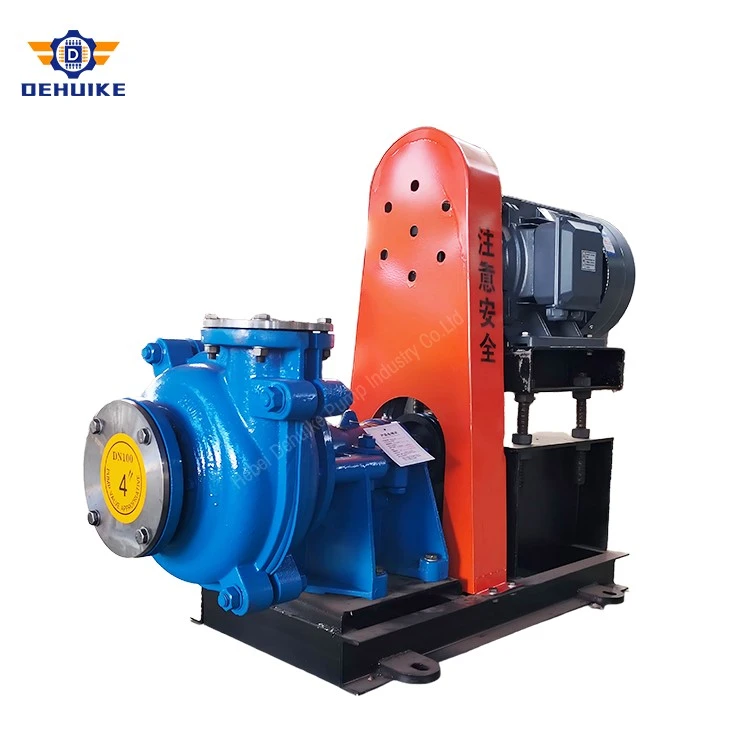
Applications and Medium Compatibility
A Rubber Lined Slurry Pump may be considered for the following duties when the lining and complete pump configuration match the process:
- Fine mineral slurry transferring fine solids through selected process lines.
- Sand recovery and washing: handling fine sand and process water where particle impact remains within the approved limit.
- Chemical process slurry: moving chemical-bearing solids when the lining and seals are compatible.
- Tailings and residue streams: transferring selected fine-particle residue with confirmed density and temperature.
- Industrial wastewater: handling solids-bearing water within the lining's chemical and temperature limits.
- Process return lines: returning compatible slurry to an earlier stage for circulation or further treatment.
Lining Installation and Inspection
During assembly, keep metal edges, tools and lifting devices from damaging the elastomer. Ensure that joints, bolt areas and sealing surfaces are correctly positioned. After casing closure, confirm that the impeller can rotate freely and that the specified clearance is maintained.
During commissioning, monitor pressure, flow, current, vibration, temperature and leakage. Inspect the seal-water or flushing condition and record any change in lining behavior. If unusual swelling, softening, odor, cracking or separation is observed, stop for technical review rather than continuing operation.
Operation and Maintenance
A useful maintenance record includes operating hours, slurry description, chemical concentration, temperature, flow, pressure, seal condition, lining appearance and measured clearances. Compare field observations with the commissioning baseline. Gradual loss of capacity may indicate wear or changed resistance; sudden leakage may indicate seal damage, lining movement or an assembly issue.
Inspect the impeller, lining, casing, seal chamber, bearings, coupling and fasteners at planned intervals. Pay attention to lining thickness, local blistering, hardening, softening, edge lifting, exposed metal and changes around joints. The replacement interval should be based on actual inspection and operating history rather than a fixed promise.
Keep spare liners, sealing parts, gaskets and other model-specific components in suitable storage conditions. Avoid heat, direct sunlight, sharp contact and chemical contamination when storing elastomer parts. Every spare should be identified by model, drawing reference and material specification.
FAQ
Q: What is a Rubber Lined Slurry Pump?
A: It is a slurry pump with selected elastomer-lined wetted surfaces for compatible fine-particle, abrasive or chemical process media. The exact lining and model must be confirmed from process data.
Q: Is rubber lining suitable for every abrasive slurry?
A: No. Coarse sharp solids, high temperature, incompatible chemicals, excessive velocity or unsuitable pressure may exceed the lining limits.
Q: What affects lining life?
A: Particle size and shape, concentration, velocity, temperature, chemistry, pressure, operating hours, assembly quality and maintenance all influence lining life.
Q: Can the lining material be customized?
A: Some models may have selectable elastomer options, but the final choice must be checked against the medium composition, concentration and temperature.
Q: What should be inspected before operation?
A: Check lining condition, seating, joints, clearance, shaft rotation, seal connections, lubrication, suction condition and motor rotation direction.
Q: What indicates lining damage?
A: Possible signs include unusual leakage, pressure change, vibration, lining swelling, edge lifting, cracking, softening, hardening or exposed metal. Stop and inspect before damage spreads.
Q: What information is needed for a quotation?
A: Send flow, total head, slurry data, chemical composition, temperature, particle size, suction condition, pipeline details and available pump documents.

Hot Tags: rubber lined slurry pump, China rubber lined slurry pump manufacturers, suppliers, factory