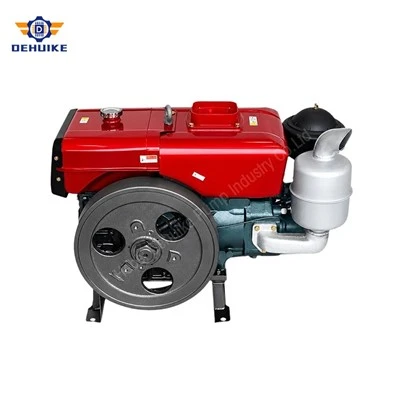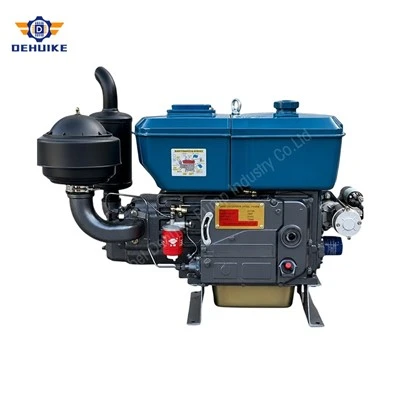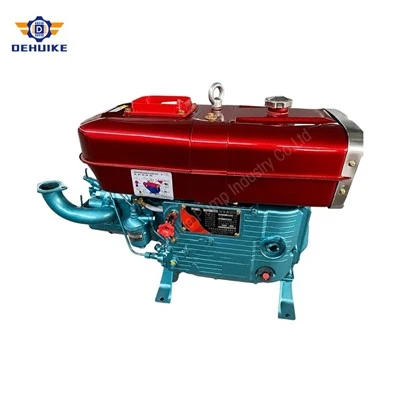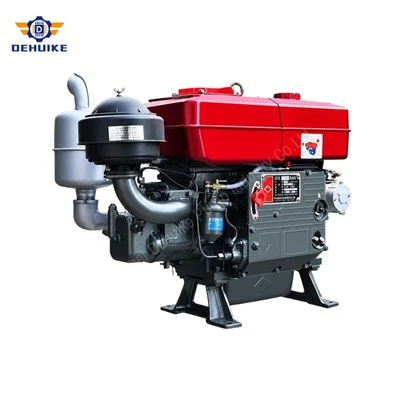

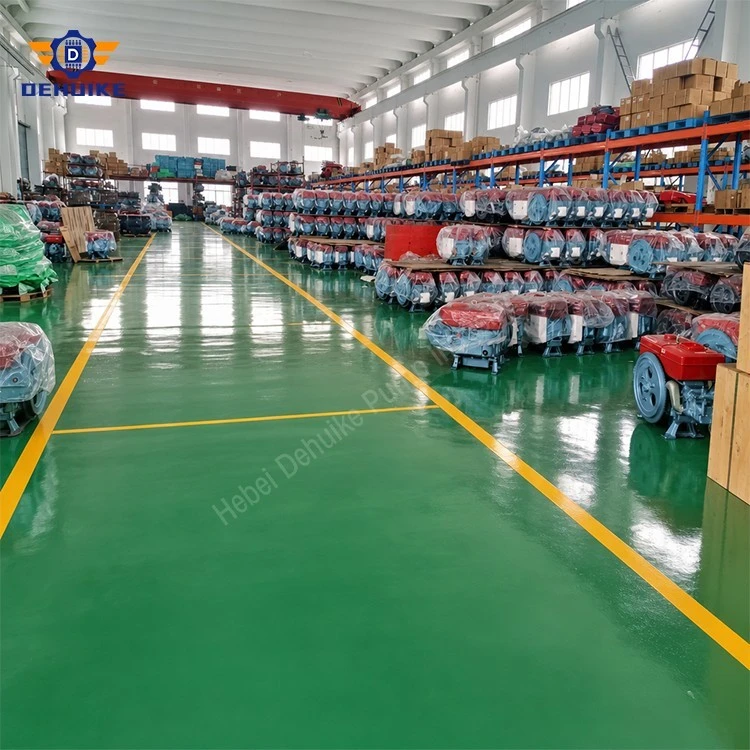
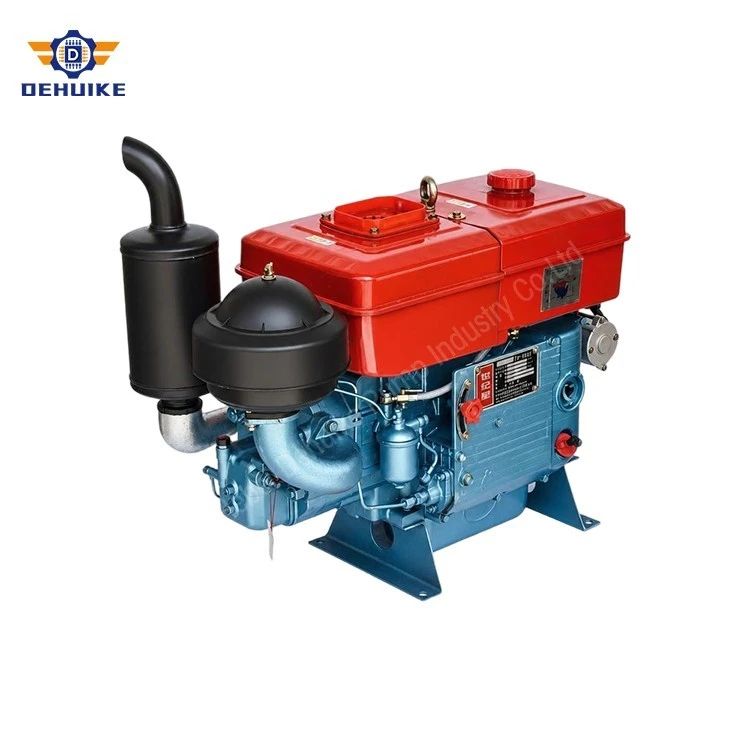
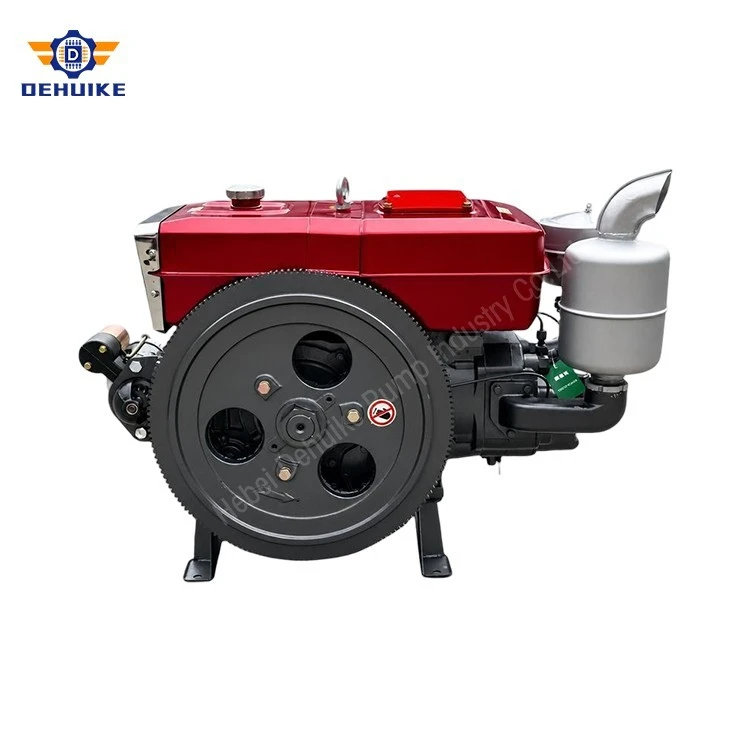
Hebei Dehuike Pump Industry Co., Ltd. is one of the most reliable manufacturers and suppliers of direct injection diesel engine in China. With abundant experience, we are committed to providing high quality customized pumps with competitive price. Welcome to wholesale bulk direct injection diesel engine for sale here from our factory. Also, pricelist is available.
Introduction
ZS1105, ZS1110, ZS1115, ZS1125 and ZS1130
A model name tells only part of the story when buying a diesel engine. The rest is found in the figures beside it: power at a stated speed, cylinder capacity, weight and the equipment supplied with the engine. For a builder putting together a new machine, those details determine what can be designed around the unit. For a purchaser replacing worn equipment, they determine how much of the existing installation can be retained.
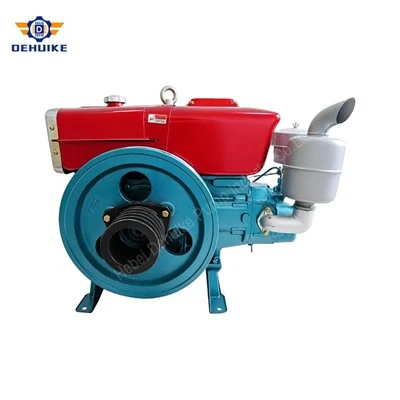
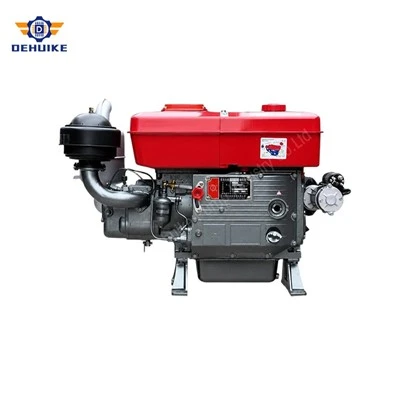
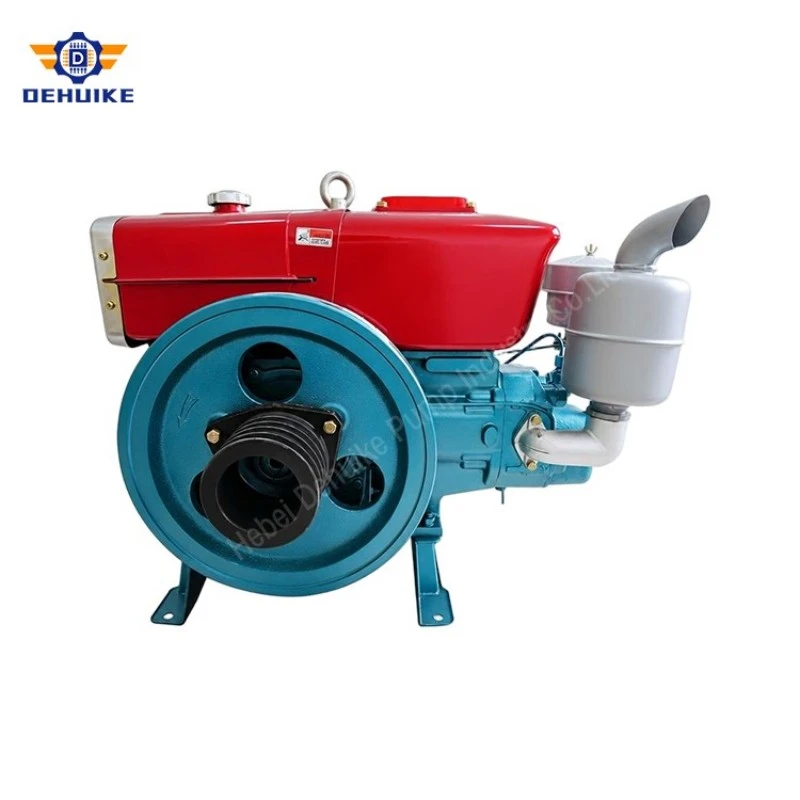
The five ZS models covered here use direct injection and a horizontal cylinder arrangement. They are single-cylinder, four-stroke engines with water cooling. Their ratings begin at 12.1 kW and reach 23 kW. Each rating refers to 2200 rpm. Within that span, there are useful differences to examine before settling on a model, particularly where an engine will become part of a larger pumping or agricultural assembly.
Direct injection is the defining feature of this product group, rather than a description borrowed from the wider family. The models included are ZS1105, ZS1110, ZS1115, ZS1125 and ZS1130. An enquiry for this group should name one of those models or describe the output needed. That gives both sides a definite product to discuss and avoids confusion with engines that use another combustion arrangement.
Five models, five sets of figures
ZS1105 combines a 105 mm bore with a cylinder capacity of 0.996 L. Its rated output is 12.1 kW, and the listed maximum is 13.2 kW. At 155 kg net, it is the lightest of the five. It is a starting point for projects whose power requirement falls within its rating, subject to the drive and operating conditions of the machine concerned.
Moving to ZS1110 brings a 110 mm bore and 1.0931 L displacement. Rated output becomes 12.5 kW, although the maximum figure remains 13.2 kW. Net weight is 180 kg. The comparatively small increase in rated power should be considered alongside the different capacity and weight; the model number alone does not describe the size of the change.
ZS1115 sits between the lower-rated pair and the two largest engines in this selection. Its bore measures 115 mm, displacement is 1.1945 L and the rating is 14.7 kW. A maximum of 16.2 kW is recorded. Net weight is 185 kg, only 5 kg above ZS1110, while the listed power difference is more substantial than the step between ZS1105 and ZS1110.
ZS1125 is rated at 20 kW. The bore increases to 125 mm and displacement to 1.473 L, with net weight reaching 208 kg. No maximum power value is recorded in the available specification. Where an enquiry or tender asks for that value, it needs a separate answer from the supplier; it cannot be reconstructed from the neighbouring models.
ZS1130 closes the group at 23 kW, with a 130 mm bore and a capacity of 1.659 L. Its net weight is 212 kg. Maximum output is again unlisted. This is the highest rated engine on this page, but that position does not make it the preferred choice for every job. Its relevance depends on what the machine requires and whether the proposed assembly accommodates it.
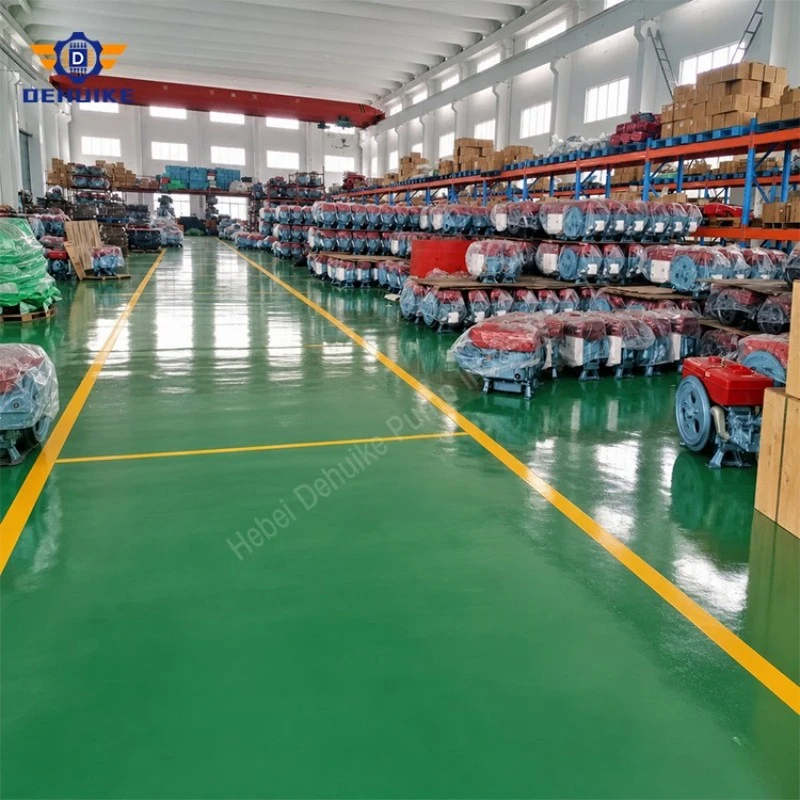
Specification register
|
Model |
Bore mm |
Capacity L |
Rated kW |
Maximum kW |
Net kg |
|
ZS1105 |
105 |
0.996 |
12.1 |
13.2 |
155 |
|
ZS1110 |
110 |
1.0931 |
12.5 |
13.2 |
180 |
|
ZS1115 |
115 |
1.1945 |
14.7 |
16.2 |
185 |
|
ZS1125 |
125 |
1.473 |
20 |
Unlisted |
208 |
|
ZS1130 |
130 |
1.659 |
23 |
Unlisted |
212 |
The register uses 2200 rpm for both rated and maximum power entries. "Unlisted" denotes a missing specification, rather than a tested value. All five entries carry a specific fuel consumption limit of 244.8 g/kWh. Their stated external size is 92 × 46 × 76 cm, and the lubrication description is a combined pressure-and-splash system.
Water cooling is offered in evaporation or radiator form. Starting is described as manual cranking or electric. Those alternatives need to appear in the final product description for the order. They are configuration choices, so a price against a model designation should also identify the version and accessories to which that price applies.
Understanding what direct injection establishes
For this range, the direct-injection label establishes the combustion type assigned to the five named models. It is a useful way to keep a product enquiry precise. It does not, by itself, establish an emissions approval, a noise level, a cold-start result or an efficiency advantage under a customer's particular duty. Those questions require their own supporting information.
The published consumption limit is the same for every engine in the group. Consequently, the catalogue does not rank these five models by different specific consumption values. A comparison that assigns a separate efficiency figure to each would introduce information that is absent from the product record. The differences actually listed are power, bore, displacement, maximum output where available, and weight.
There is also a distinction between identifying a fuel system and defining every component within it. The supplied information does not give an injection pressure, pump specification, nozzle reference or electronic-control description. An equipment builder who needs those particulars should request them for the chosen model. They should not be inferred from the words "direct injection."
Begin with the machine's operating brief
A useful engine brief describes a task rather than a preference for a large number on the nameplate. What equipment receives the power? At what input speed does it work? Is the demand reasonably constant, or does it change through the working cycle? These answers establish what must be assessed before a model can be recommended responsibly.
The five ratings are discrete options: 12.1, 12.5, 14.7, 20 and 23 kW. They are not a statement that any intermediate working condition has been tested. Where the intended operation differs from the stated rating point, seek the relevant operating information. This is especially useful when the machine's input speed is fixed by another component.
Do not let the maximum figure become the only number carried into a quotation. The lower three models have both ratings available, and the distinction should remain visible. A buyer can then compare like with like. The two larger models should be quoted using the data that exists, with any additional required rating dealt with openly before the order is agreed.
Questions for an engine-driven pumping project
Pumping enquiries are easier to assess when the hydraulic requirement is stated separately from the engine preference. Describe the volume of liquid to be moved, the required head and the liquid itself. That establishes the pump duty. The pump's required mechanical input can then be considered together with the engine and the drive between them.
A request that names only an engine cannot establish the delivery of a finished pumping unit. The same prime mover could be connected to different pumps, each with a different duty. For that reason, a proposal should identify the pump as well as the engine whenever the supplier is expected to offer a complete set. The relationship between the two matters more than either title on its own.
Irrigation, site drainage and general water transfer may all involve independent diesel power, yet they describe different jobs. An irrigation schedule can involve regular service at a known point. Drainage may be intermittent and tied to changing site conditions. A transfer unit may be moved as the work progresses. Explain the actual routine so that the package can be reviewed in context.
Liquid description belongs in that brief even though it does not alter the engine's model data. Clean water, sewage, slurry and chemical service raise different questions on the pump side. Dehuike's wider pump offering includes these application categories, but their presence in a catalogue does not mean one pump or one assembly suits all of them. The proposed equipment needs to match the specified service.
The connection between pump and prime mover should be identified at proposal stage. If an existing drive is to be retained, provide its dimensions and arrangement. If a new drive is required, make clear who is responsible for specifying and supplying it. Otherwise, a quotation for two suitable components can still leave an unresolved assembly problem between them.
Agricultural applications need their own description
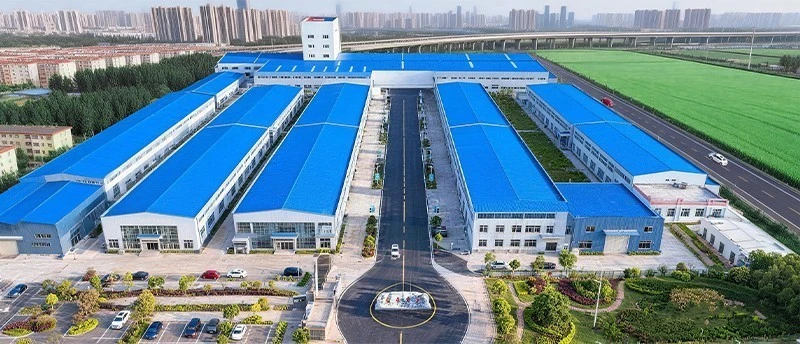
Hebei Dehuike Pump Industry Co., Ltd. has accumulated over 40 years of specialized manufacturing experience, evolving from a regional engineering foundry into an internationally recognized fluid machinery and powertrain exporter.
- Extensive Export Footprint Across 90+ Countries: DHK diesel engines and integrated pumping skids operate reliably across more than 90 nations worldwide. Our export presence spans the intensive agricultural river basins of the Philippines, Indonesia, and Vietnam; rural irrigation schemes in Kenya, Tanzania, Ethiopia, and Nigeria; mining concessions in Peru and Chile; and infrastructure projects throughout the Middle East and Central Asia. This broad geographical footprint reflects our ability to tailor engine cooling, filtration, and starting options to match local climate extremes.
- Adaptation to Harsh Equatorial and Desert Environments: Recognizing that overseas operating conditions differ markedly from factory test benches, Dehuike equips export-bound engines with heavy-duty multi-stage cyclonic oil-bath air cleaners, oversized fuel sedimenter bowls, and tropicalized cooling systems. Engines operating in the 48 deg C ambient temperatures of the Arabian Gulf or the high-humidity coastal climates of West Africa perform reliably without thermal derating or premature component degradation.
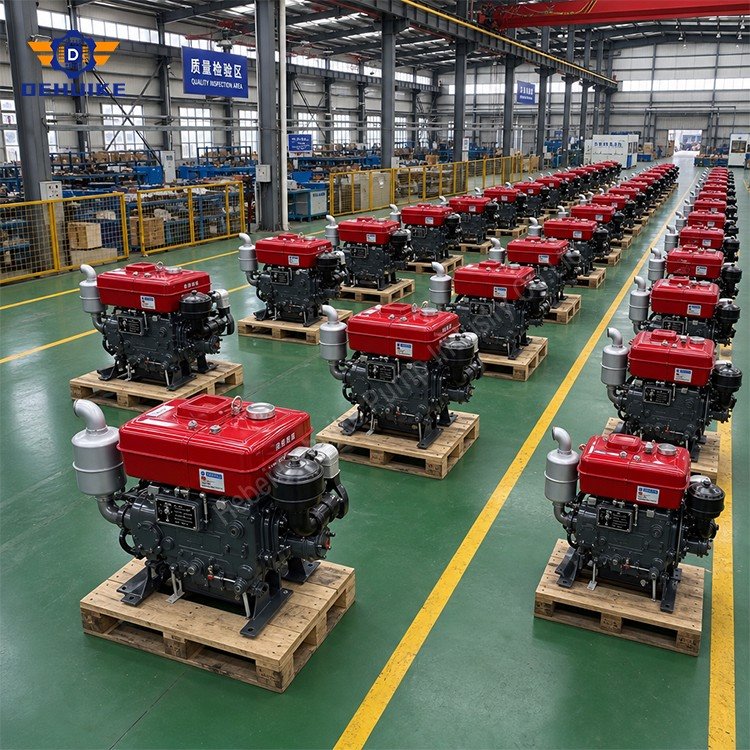
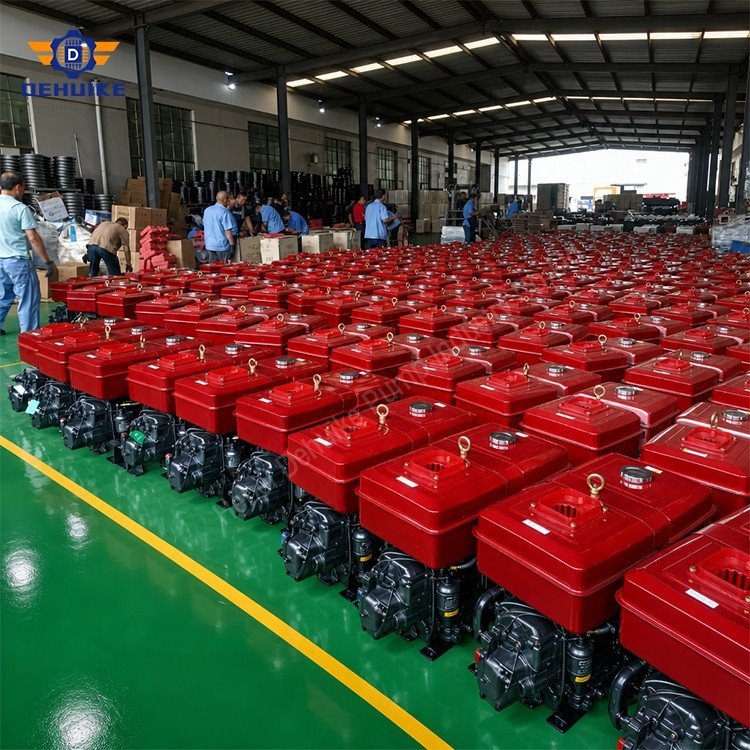
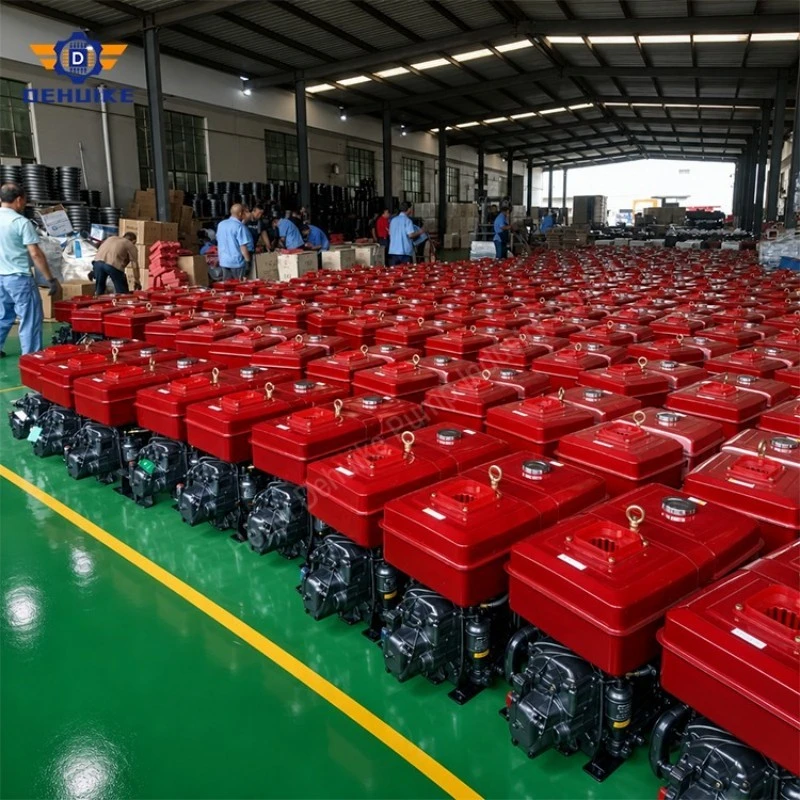
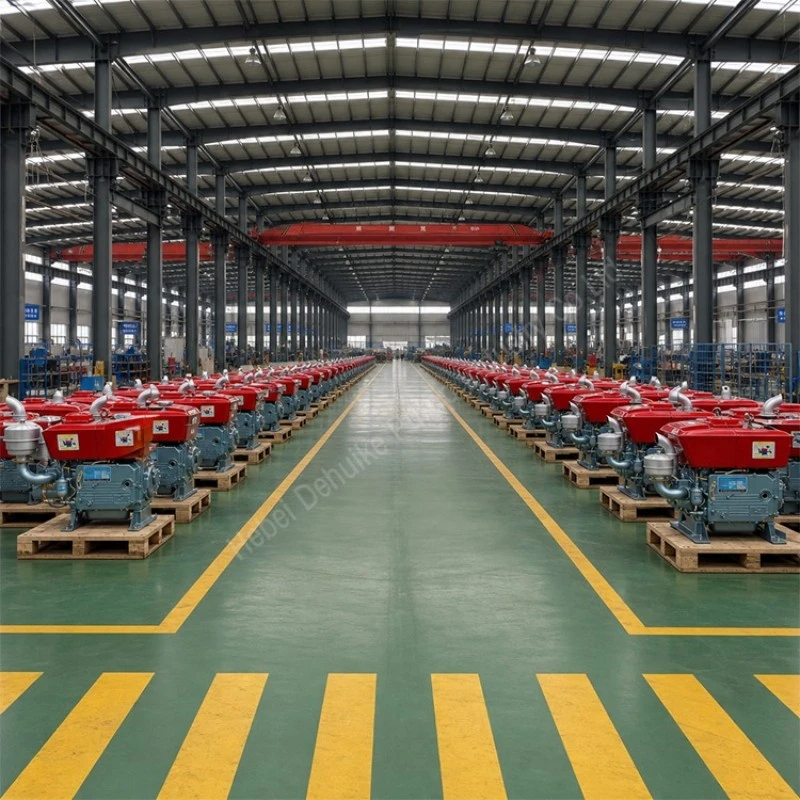
- Large-Scale Industrial Manufacturing Complex: Operating from an expansive modern facility exceeding 6,000 square meters of intelligent production and testing workshops, Dehuike combines computer-controlled foundry molding lines, robotic welding and machining centers, and automated engine dynamometer testing rooms. Supported by an established cooperative supply chain of more than 900 audited component manufacturing partners, our facility maintains steady production output and prompt shipping schedules for international commercial tenders.
- Professional Multimodal Export Packaging: Every export-bound Single Cylinder Diesel Engine is treated with comprehensive rust-preventative coatings: internal fuel passages are preserved with calibration testing oil, bare metal flywheels and shafts are coated with high-tack protective wax, and complete engines are sealed inside moisture-barrier polymer wrap with active desiccant packs. Machinery is packed into fumigated solid wooden crates compliant with ISPM-15 international phytosanitary standards, engineered for safe containerized ocean freight (for machinery consignments exceeding 500 kg) and expedited air cargo (for spare parts consignments between 50 kg and 500 kg) under standardized FOB and CIF destination port trade terms.
Our Service and Customer Support
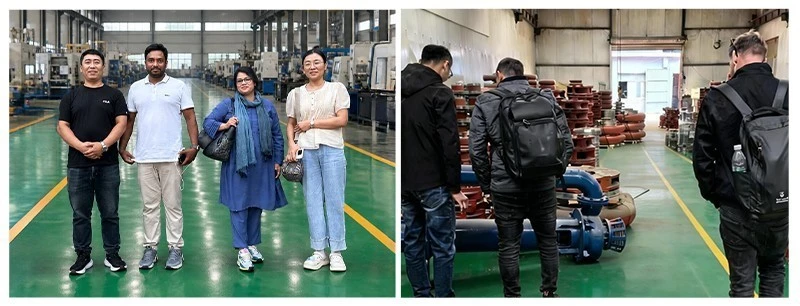
At Dehuike Pump Industry, customer commitment extends far beyond the point of shipment. We provide comprehensive technical services, flexible commercial packaging, and dedicated lifecycle support to ensure our equipment performs profitably for distributors and end-users.
- Flexible SKD and CKD Export Assembly Programs: To help international machinery distributors reduce import tariffs, lower shipping freight volumes, and support local industrial employment, Dehuike offers flexible Semi-Knocked-Down (SKD) and Completely-Knocked-Down (CKD) supply arrangements. We provide comprehensive factory assembly documentation, specialized assembly tooling fixtures, and quality control checklists that enable overseas partner facilities to assemble, test, and brand DHK engines locally with full technical confidence.
- Comprehensive 24-Month Factory Warranty: Every complete DHK Single Cylinder Diesel Engine is backed by our comprehensive 24-month (2-year) manufacturer warranty against structural material defects and manufacturing faults (standard consumable wear items excluded). In the rare event of a warrantable component issue, our international technical team expedites authenticated replacement parts directly to the client's operational base.
- Ten-Year Guaranteed Spare Parts Availability: We understand that industrial machinery must remain productive for decades. Dehuike maintains an extensive inventory of genuine spare parts-including cylinder liners, piston sets, connecting rod bearings, injector nozzles, fuel injection pumps, and gasket kits-with a formal guarantee of parts availability for a minimum of ten years following model purchase. Pre-packaged 1-year and 2-year routine maintenance kits are systematically offered with every equipment order.
- Engineering Consultation and Pump Matching Services: Our engineering application division provides complimentary powertrain matching calculations for pump builders and equipment package integrators. By analyzing client pump head-capacity curves, rotational speeds, and absorbed brake horsepower (BHP) at the Peak Efficiency Point (BEP), our engineers specify optimal engine pulley diameters, V-belt cross-sections, or direct-drive flexible coupling ratings to eliminate torsional resonance and maximize hydraulic output.
- Multilingual Technical Documentation and Operator Training: All DHK machinery is delivered with clear, illustrated technical manuals available in English, Spanish, French, Russian, and Arabic. Documentation includes complete exploded parts diagrams with universal OEM reference numbers, routine lubrication schedules, valve clearance adjustment guides, and systematic fault-finding diagnostic flowcharts.
Frequently Asked Questions (FAQ)
Q1: Why do agricultural and construction operators continue to specify a Single Cylinder Diesel Engine over gasoline or electric equivalents?
A Single Cylinder Diesel Engine delivers substantial advantages in off-grid and heavy-duty applications. Compared to gasoline engines, diesel fuel provides roughly 30% higher energy density by volume, resulting in significantly lower hourly operating fuel expenses under continuous heavy load. Furthermore, diesel engines possess no electrical ignition system (such as spark plugs, ignition coils, carburetors, or distributors) that can fail in humid, wet, or dusty environments. Compared to electric motors, a diesel engine operates completely independently of electrical utility grids, diesel generators, or transmission line drops, making it the only practical choice for remote riverbank pumping and field construction.
Q2: How does the internal balance shaft and heavy flywheel design manage the vibration inherent to a single cylinder diesel engine?
Single-cylinder engines naturally experience vertical and horizontal reciprocating unbalance due to the acceleration and deceleration of the single piston assembly. DHK mitigates this dynamic force through two synergistic mechanical solutions: first, heavy dual flywheels provide high rotational inertia that smooths out angular velocity fluctuations between power strokes; second, a precision gear-driven counter-rotating balance shaft cancels out the primary vertical reciprocating inertia force. This dynamic balance system reduces structural vibration to negligible levels, allowing the engine to be securely mounted on lightweight mobile skids or unbolted concrete pads without risk of structural fatigue cracking.
Q3: What is the proper procedure for using the manual compression release lever during cold or emergency hand-crank starting?
Manual hand-crank starting is straightforward and safe when the decompression mechanism is utilized correctly. The operator first pulls and holds the mechanical decompression lever (located on the cylinder head), which mechanically holds the exhaust valve slightly open, eliminating cylinder compression resistance. With decompression engaged, the operator cranks the starting handle to spin the heavy flywheels up to approximately 200 to 300 rpm. Once sufficient flywheel rotational momentum is accumulated, the operator releases the decompression lever while continuing to turn the crank firmly. The heavy momentum of the dual flywheels carries the piston through full compression, initiating instantaneous direct-injection combustion. As the engine fires, the starting handle automatically disengages from the crankshaft dog clutch.
Q4: How should a single-cylinder or compact diesel engine be sized when driving a self-priming centrifugal or mixed-flow irrigation pump?
When sizing a Single Cylinder Diesel Engine or compact diesel driver for an industrial pump, consulting engineers should determine the pump's maximum absorbed brake horsepower (BHP) at its Peak Efficiency Point (BEP) across its planned operating range. To prevent engine overload, the engine's continuous Prime Power rating should be specified with a 15% to 20% power safety margin above the pump's peak absorbed shaft power. This margin compensates for ambient temperature derating, altitude losses (approximately 1% power loss per 100 meters above 1,000 meters elevation), and minor transmission belt friction losses, ensuring the engine operates cleanly within its optimal specific fuel consumption sweet spot.
Q5: What break-in procedure and lubrication schedule should be observed during the initial operational hours?
During the initial 50 operating hours (the engine break-in period), the engine should not be subjected to more than 75% of its rated continuous prime load, avoiding prolonged low-idle operation to ensure proper seating of the piston rings against the plateau-honed cylinder liner. After the first 50 operating hours, the initial break-in lubricating oil must be completely drained while warm, and the oil filter or strainer cleaned. Subsequent engine oil changes should be performed every 250 operating hours (or every 500 hours under clean operating conditions with synthetic lubricants), utilizing high-quality API CF-4, CI-4, or CJ-4 heavy-duty diesel engine oil matching ambient viscosity requirements (such as SAE 15W-40 for general climates or SAE 10W-30 for cold environments).
Q6: Can DHK engines run on lower-grade, high-sulfur diesel fuels prevalent in remote developing regions?
Yes. DHK China II (Tier 2) mechanical engines feature robust mechanical in-line injection pumps and heavy-duty pintle or multi-hole injectors engineered with generous internal clearances that easily tolerate high-sulfur diesel fuel (up to 3,000 to 5,000 ppm sulfur). In regions where fuel cleanliness is inconsistent, our multi-stage fuel filtration system-combining a transparent water-trap pre-filter sedimenter with a high-efficiency cellulose secondary fuel filter-removes water droplets and abrasive dirt particles before fuel reaches precision injection components. When operating on high-sulfur fuels, selecting engine lubricating oils with a high Total Base Number (TBN > 12) is recommended to neutralize acidic combustion blowby gases.

Hot Tags: direct injection diesel engine, China direct injection diesel engine manufacturers, suppliers, factory