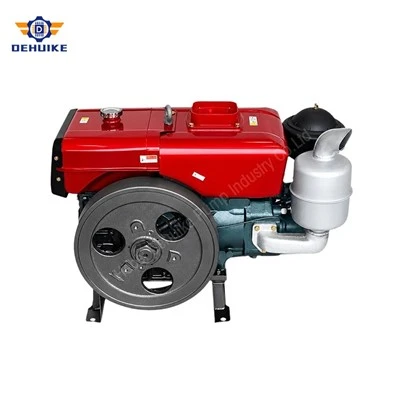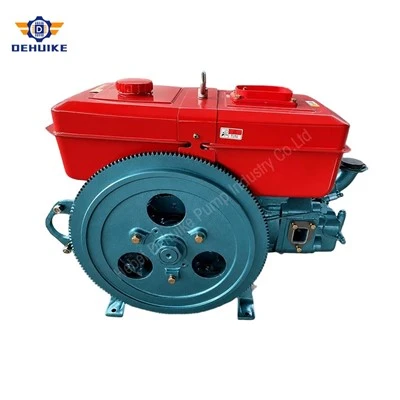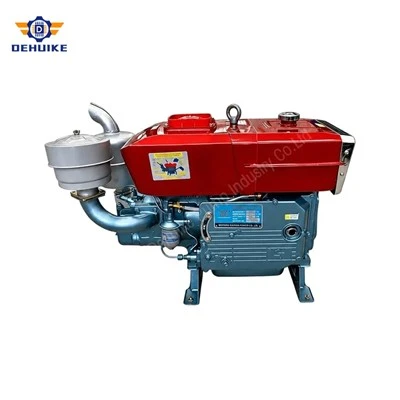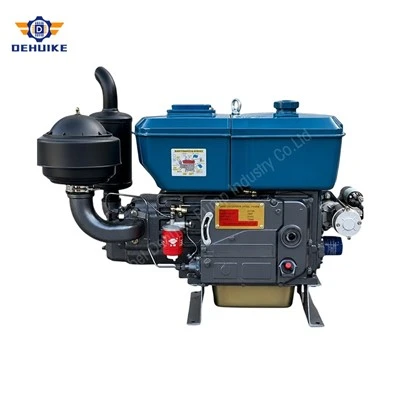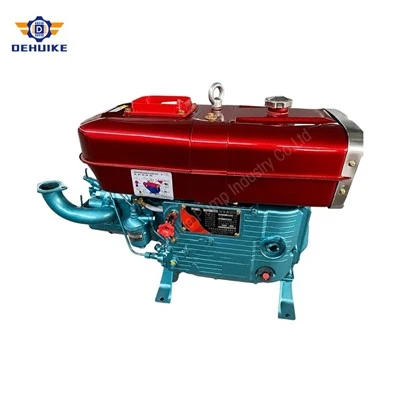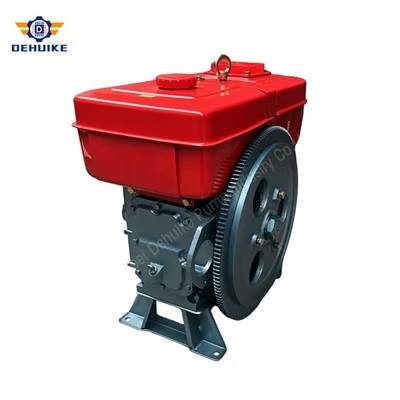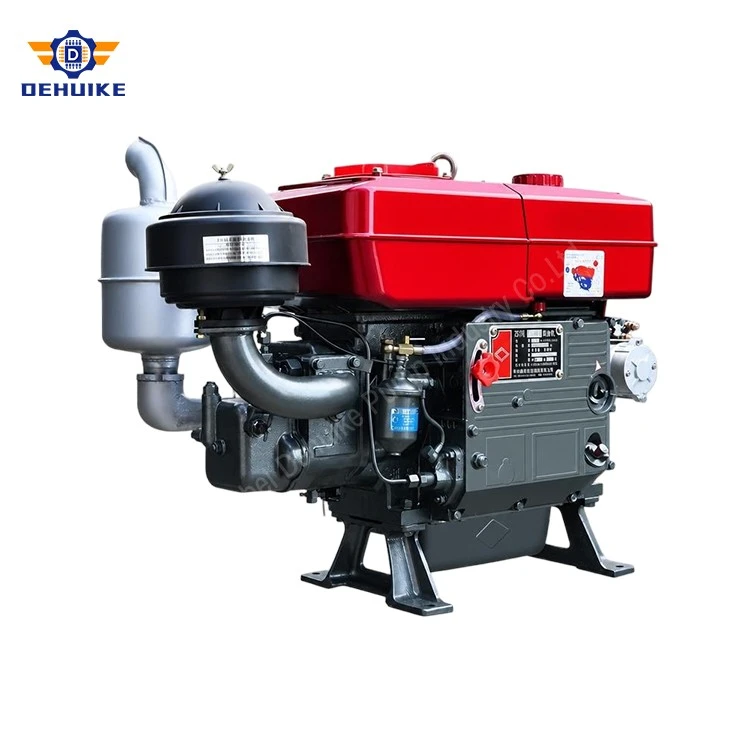
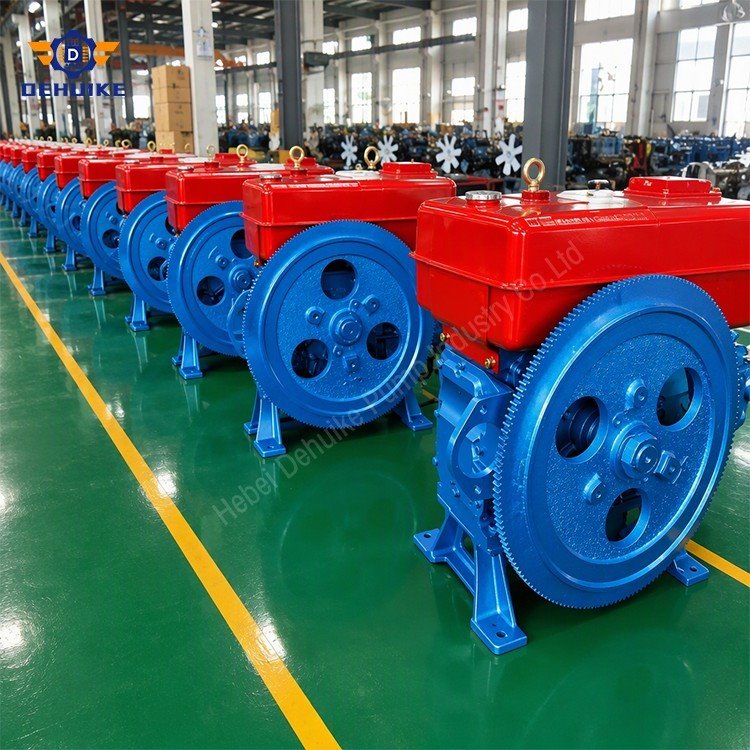
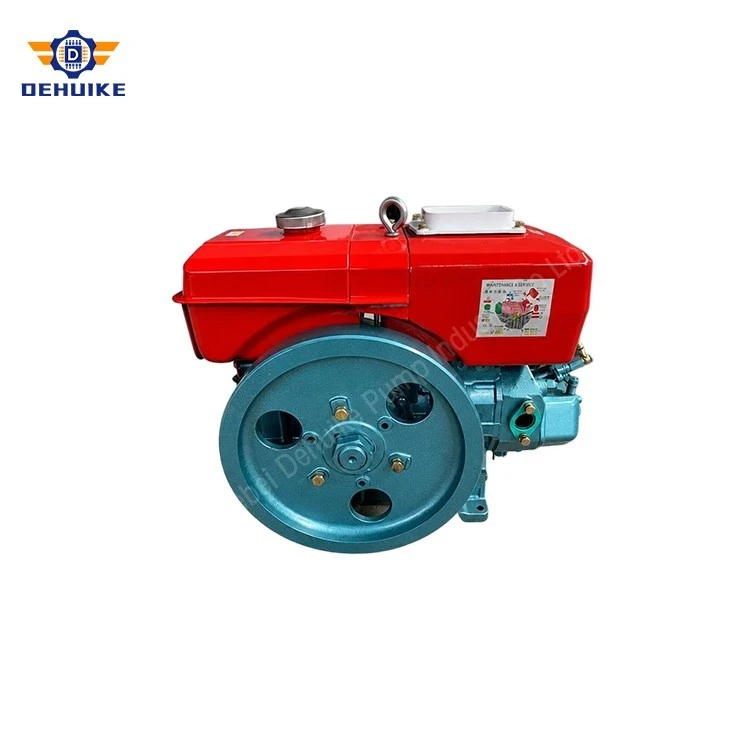
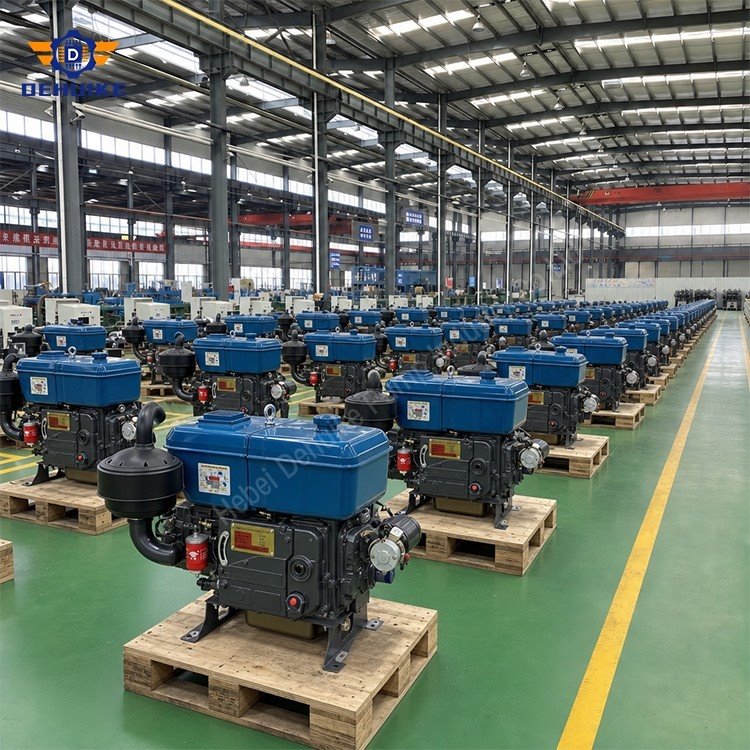
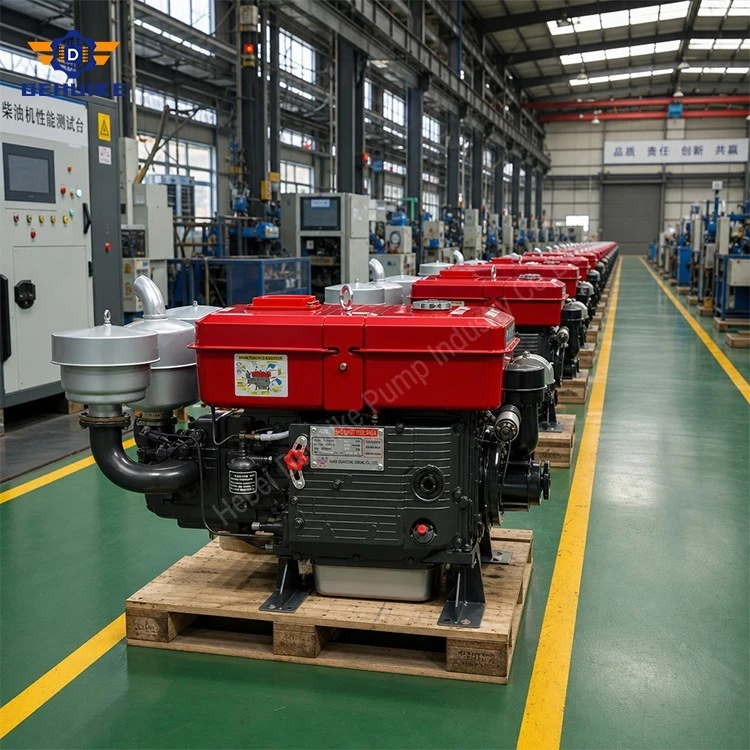
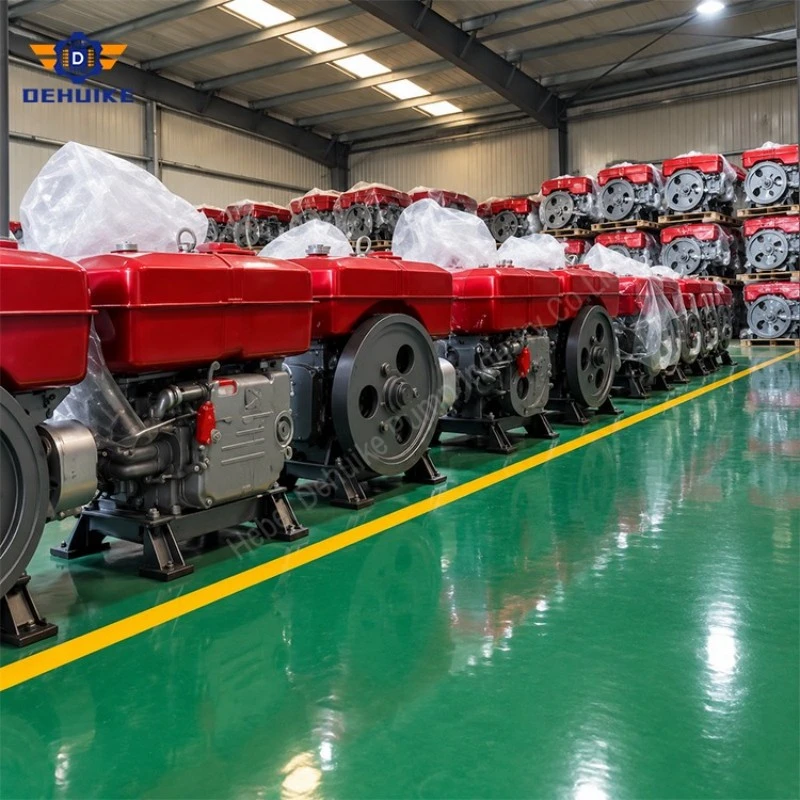
Hebei Dehuike Pump Industry Co., Ltd. is one of the most reliable manufacturers and suppliers of multi cylinder diesel engine in China. With abundant experience, we are committed to providing high quality customized pumps with competitive price. Welcome to wholesale bulk multi cylinder diesel engine for sale here from our factory. Also, pricelist is available.
Compact Diesel Engine for Independent Equipment Power
A range of five horizontal single-cylinder diesels, from the 95 mm bore S195 at 8.8 kW to the 115 mm bore ZS1115 at 14.7 kW, looks at first like a tidy ladder. Each step adds about 5 mm of bore, a little displacement, and a little power. Buyers work down that ladder until the model is big enough for the job, and stop there.
The ladder is not even. One step adds 2.2 kW, the next adds 1.1 kW, the one after that adds 0.4 kW for 25 kg of extra iron, and the last adds 2.2 kW again. Understanding why the steps are uneven, and what each model actually costs to run, is the difference between an engine that suits the machine and one that is merely the next size up.
The ladder, measured
Between S195 and ZS1100 the bore grows 5 mm and the rated output grows 2.2 kW, from 8.8 to 11.0. From ZS1100 to ZS1105 the bore grows another 5 mm and the output grows 1.1 kW. From ZS1105 to ZS1110 the bore grows 5 mm again, but the output grows only 0.4 kW, while the bare engine mass goes from 155 to 180 kg. From ZS1110 to ZS1115, 5 mm of bore brings 2.2 kW.
The ZS1110 is the odd step. It is five millimetres bigger in the bore than the ZS1105, a quarter heavier, and 0.4 kW stronger at the same governed speed of 2,200 r/min. Two models that close together on the same base architecture usually mean one of them is a platform for a different market or a different emission stage, and the buyer who simply takes "the next one up" pays for displacement and weight without gaining much output.
The practical reading is that the S195, ZS1105 and ZS1115 are the meaningful power steps, and the ZS1100 and ZS1110 fill the gaps. If a duty needs 12.4 kW, the ZS1110 answers it; if it needs 12.0 kW, the ZS1105 will do it with margin and less mass.
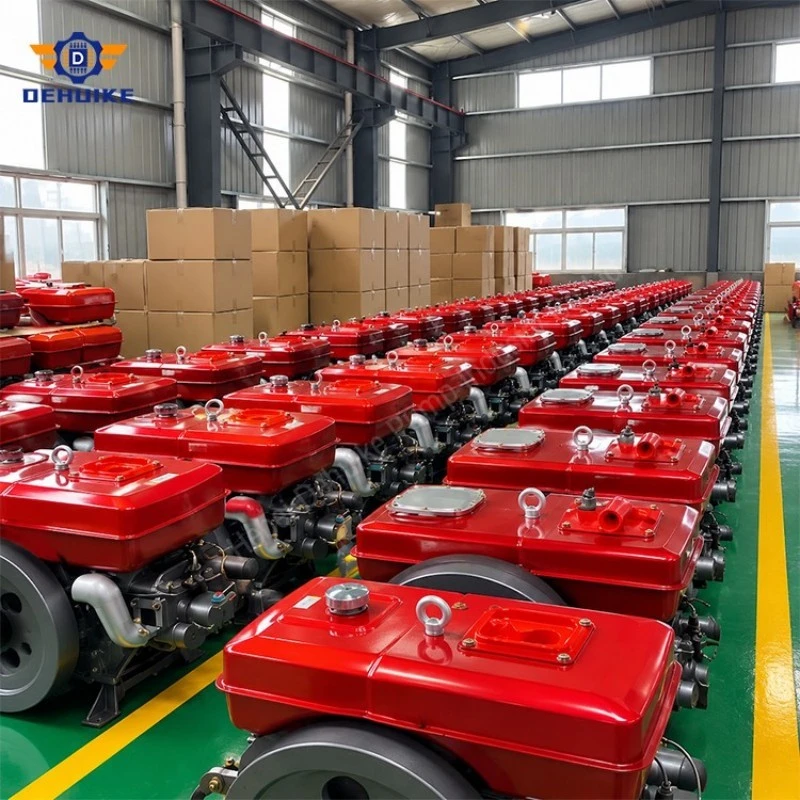
The range measured as a ladder
|
Model |
Rated output |
Step from previous |
Displacement |
Bore |
Bare mass |
Specific fuel |
|
S195 |
8.8 kW |
- |
0.815 L |
95 mm |
145 kg |
258.4 g/kWh |
|
ZS1100 |
11.0 kW |
+2.2 kW |
0.903 L |
100 mm |
155 kg |
257.0 g/kWh |
|
ZS1105 |
12.1 kW |
+1.1 kW |
0.996 L |
105 mm |
155 kg |
244.8 g/kWh |
|
ZS1110 |
12.5 kW |
+0.4 kW |
1.093 L |
110 mm |
180 kg |
244.8 g/kWh |
|
ZS1115 |
14.7 kW |
+2.2 kW |
1.195 L |
115 mm |
185 kg |
244.8 g/kWh |
Rated and maximum are two different promises
Each model carries two output figures: a rated figure, which is what the engine will deliver continuously, and a maximum figure about ten per cent higher, which is available for short periods. The ZS1115 is 14.7 kW rated and 16.2 kW maximum. The distinction matters because the duty cycle of the driven machine decides which one applies, and a buyer who sizes against the maximum figure has built in negative margin.
For a pump, thresher, mill or generator running hours at a time, the rated figure is the working number, and the maximum is a starting or overload allowance. For a machine that runs a few minutes at a time - a hoist, a press, a starting duty - the maximum figure can reasonably be used for the peak, provided the average stays under the rated value. Mixing the two is the most common error in small-engine selection, and it does not show up until the engine is working hard in hot weather.
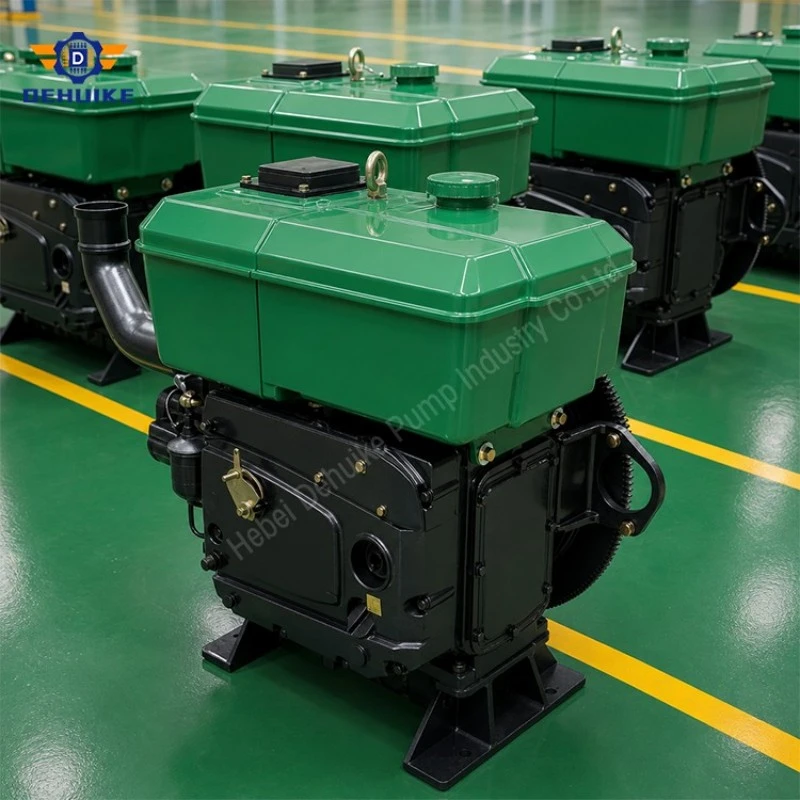
Where the fuel difference comes from
The specific fuel consumption column shows a clean break in the range. The two swirl-chamber models sit at 257 to 258 g/kWh; the three direct-injection models sit at 244.8 g/kWh. That is roughly five per cent, and it is the reason the direct-injection versions displaced the pre-chamber design in agricultural and light industrial use: the same work for less fuel, with a simpler cylinder head.
The saving is real but modest, and it comes with trade-offs that the specification does not show. Direct injection needs higher injection pressure and a more precise nozzle, so it is less tolerant of contaminated or watery fuel and of neglected filtration. It is noisier at idle, because the whole charge burns in a shorter, harder event. The swirl chamber, conversely, is softer and more forgiving of poor fuel, at the cost of the fuel figure.
Translated into running cost, the five per cent is easy to see. At the rated point, the S195 burns about 2.7 litres per hour and the ZS1105 about 3.6, but the useful comparison is per kilowatt-hour: 0.309 litres for the S195 and 0.293 for the direct-injection models. Over a thousand hours of operation the difference is a few per cent of the fuel bill - worth having if the machine runs every day, and not worth a redesign if it runs seasonally.
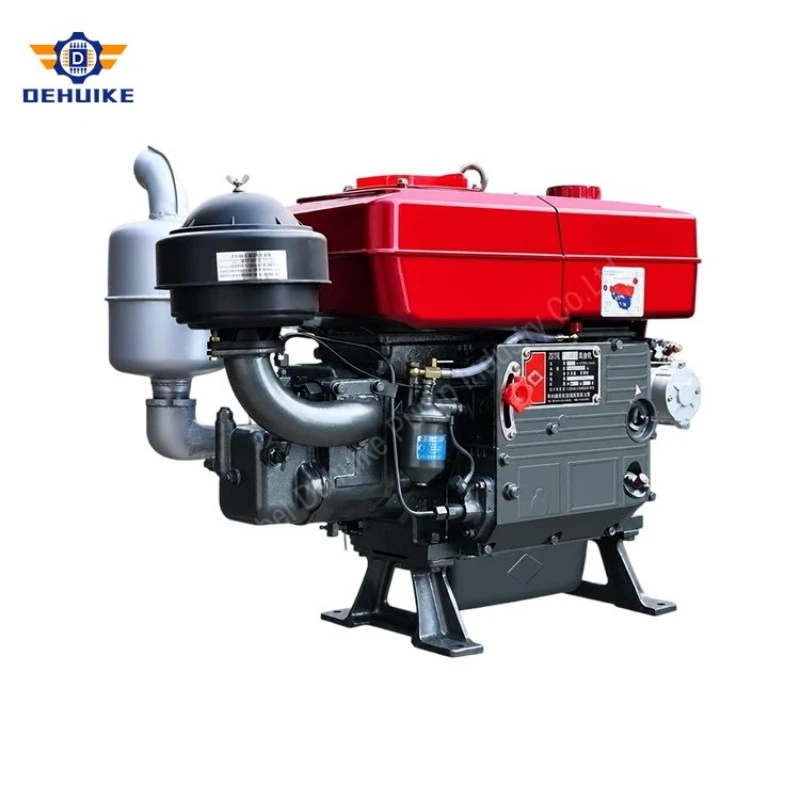
The part-load trap, and why oversizing costs fuel
The figures above are at rated load, and that is where small engines spend the least of their lives. The specific consumption of a diesel rises as load falls, because the friction, the cooling fan or water pump, and the pumping work of the engine itself stay roughly constant while the useful output shrinks. At half load the fuel per kilowatt-hour is several per cent higher than at the rated point; at a quarter load it is substantially worse.
This is what makes oversizing expensive in a way that the purchase price does not reveal. An engine chosen one or two steps above the duty runs at a low load factor for its whole life, burning more fuel per kilowatt-hour than the smaller machine would have, and carrying extra mass and displacement that never gets used. The reverse mistake - an engine running flat out at 100 per cent of its rated figure for long periods - removes the margin needed for hot days, worn injectors and a slightly heavier load than expected.
The useful target is a sustained load of roughly three-quarters of the rated output, which leaves margin for peaks and keeps the engine near its efficient region. A duty that sits between two models is usually better served by the smaller one with a careful look at the peak, rather than the larger one running light.
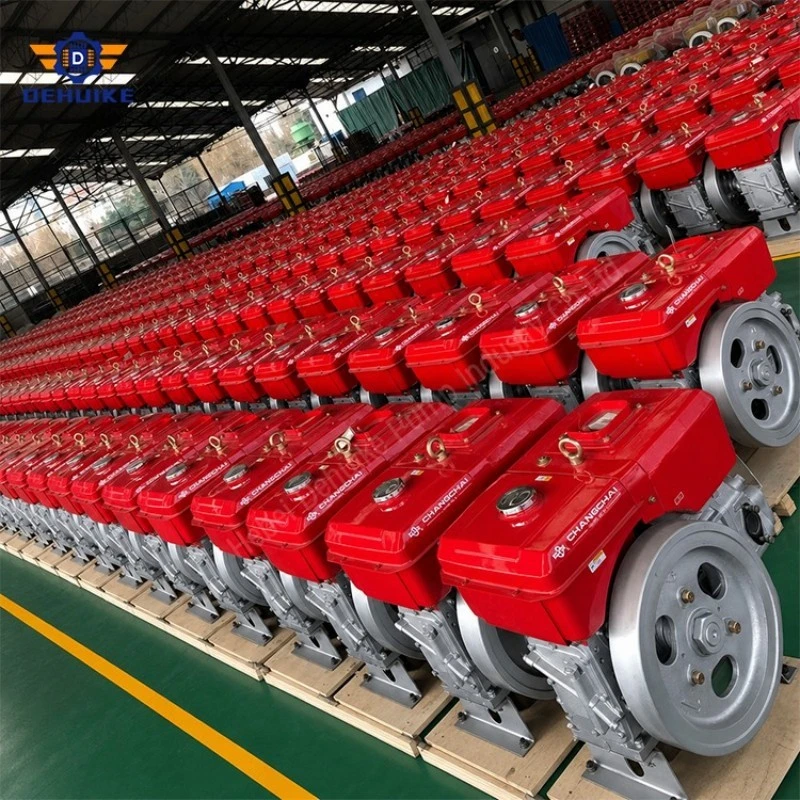
Fuel at the rated point, and what it means per unit of work
|
Model |
Rated output |
Fuel at rated load |
Fuel per kWh |
Fuel in 1,000 h at rated |
|
S195 |
8.8 kW |
2.72 L/h |
0.309 L/kWh |
2,720 L |
|
ZS1100 |
11.0 kW |
3.39 L/h |
0.308 L/kWh |
3,390 L |
|
ZS1105 |
12.1 kW |
3.55 L/h |
0.293 L/kWh |
3,550 L |
|
ZS1110 |
12.5 kW |
3.66 L/h |
0.293 L/kWh |
3,660 L |
|
ZS1115 |
14.7 kW |
4.31 L/h |
0.293 L/kWh |
4,310 L |
Frequently Asked Questions
Q: Should I always take direct injection?
A: If the machine runs regularly and the fuel is clean, yes - the five per cent is worth having. If the fuel supply is uncertain or filtration is poor, the swirl-chamber models are more forgiving, and the difference in running cost is small compared with an injector failure in the field.
Q: Is the ZS1110 worth choosing over the ZS1105?
A: Only when the duty genuinely needs more than 12.1 kW. The 0.4 kW step costs 25 kg of engine mass and a larger bore, and a duty at 11.5 kW is better served by the lighter model running a little harder.
Q: Can I use the maximum output for continuous running?
A: No. The maximum figure is a short-duration allowance. Continuous duty is sized on the rated output, derated for the site, with a margin for wear and for the occasional heavier load.
Q: How much margin should a pump drive have?
A:Enough to cover the pump's own tolerance, the belt or coupling losses and the site derating, without pushing the engine so far down its load curve that fuel consumption suffers. State the absorbed power at the shaft of the driven machine, not the motor or engine rating it was sold with.

Hot Tags: multi cylinder diesel engine, China multi cylinder diesel engine manufacturers, suppliers, factory