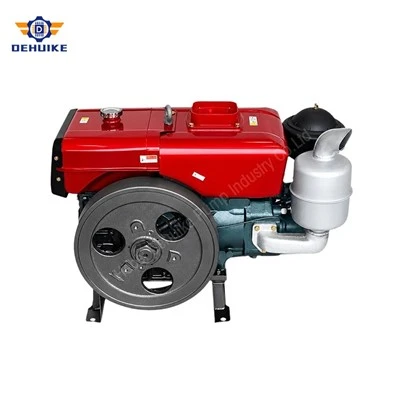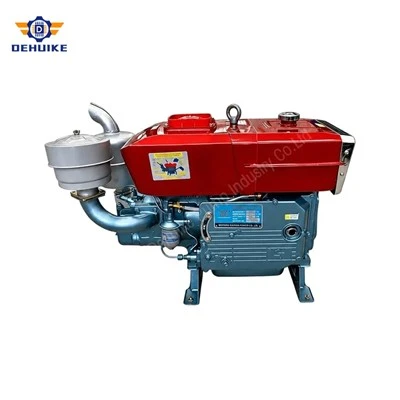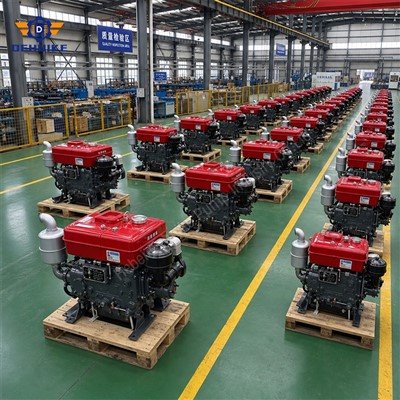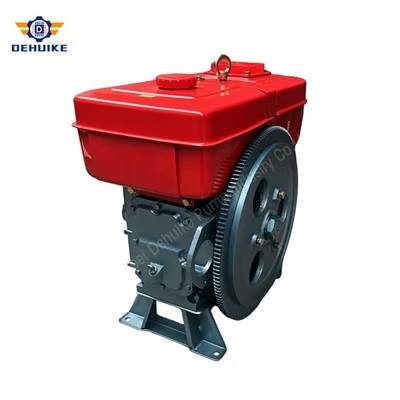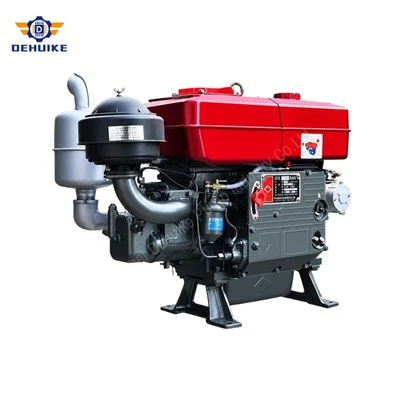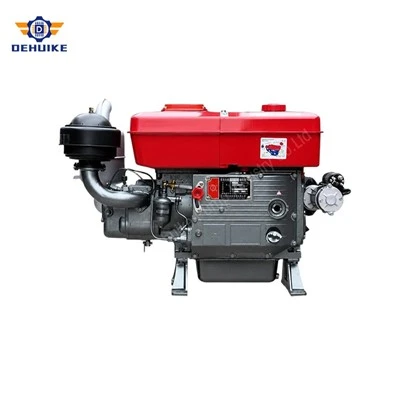
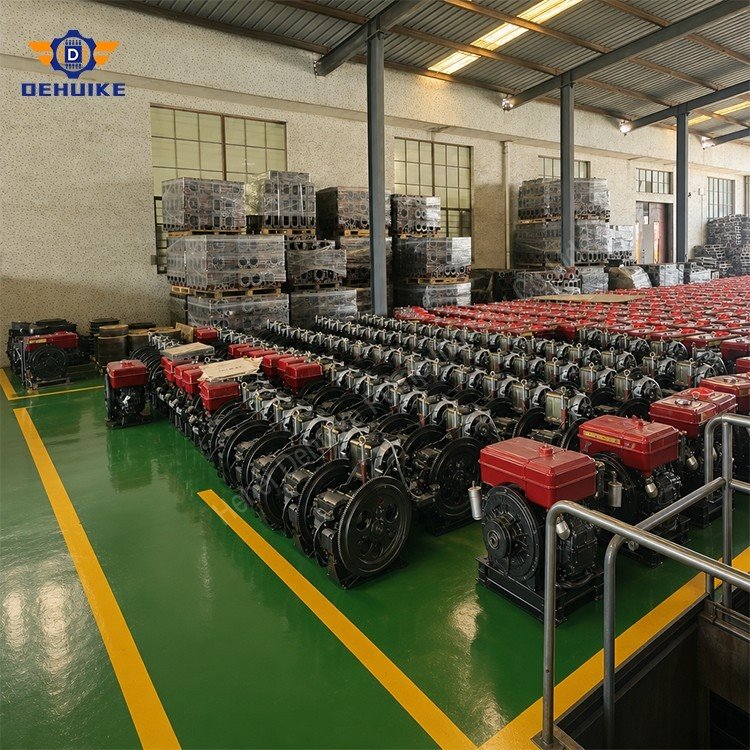
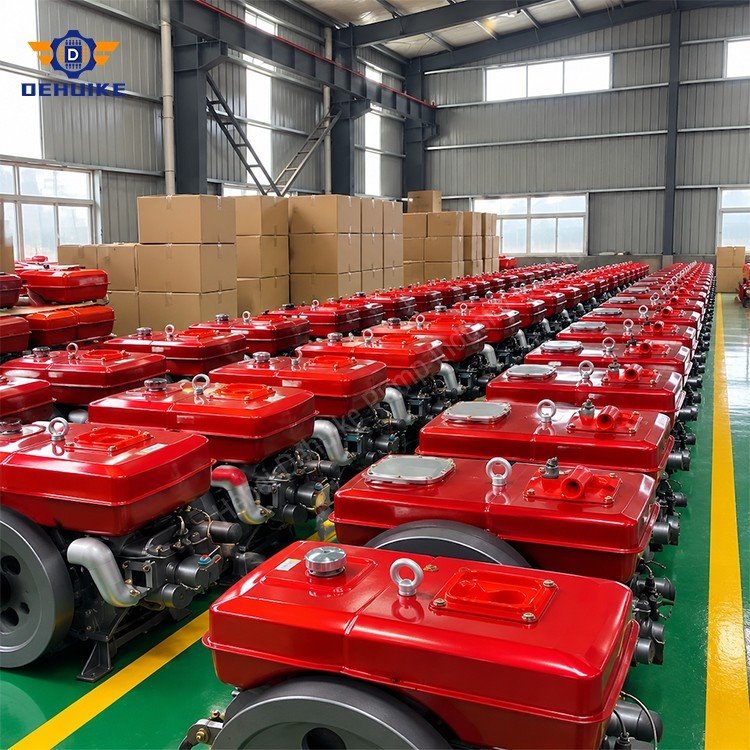
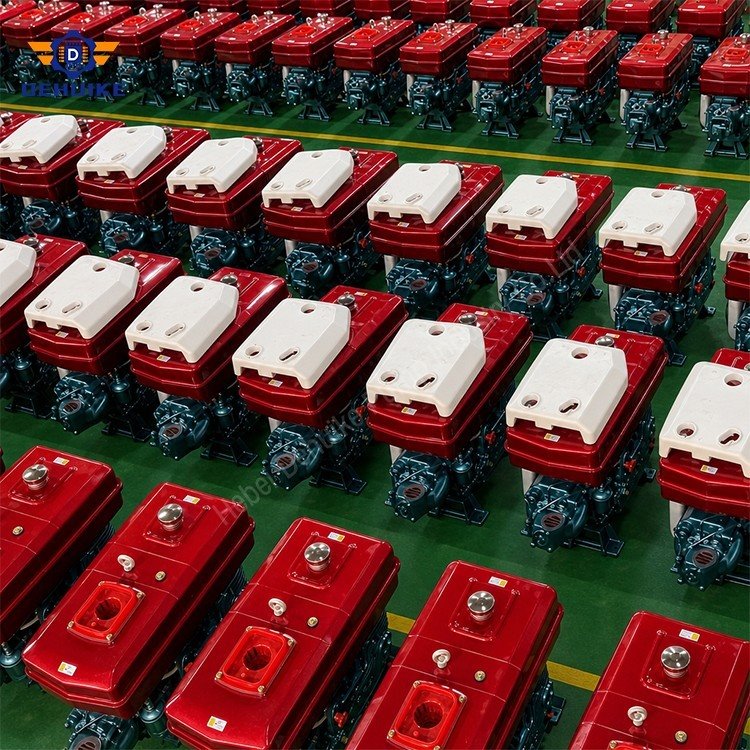
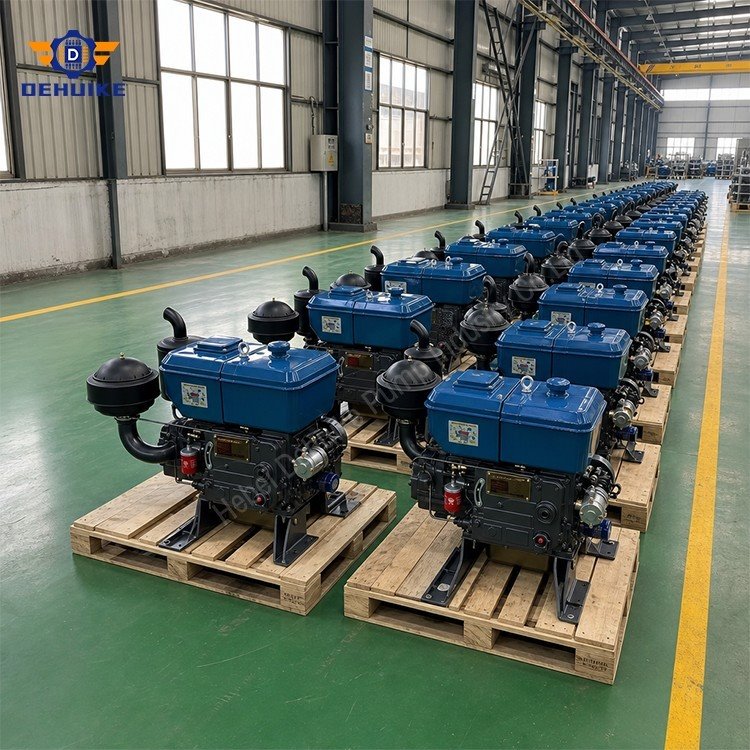
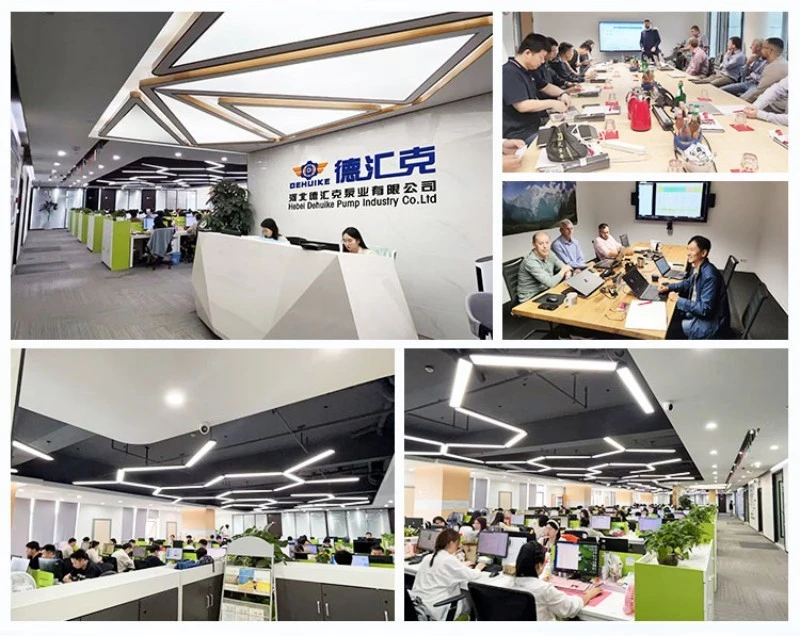
Hebei Dehuike Pump Industry Co., Ltd. is one of the most reliable manufacturers and suppliers of four stroke diesel engine in China. With abundant experience, we are committed to providing high quality customized pumps with competitive price. Welcome to wholesale bulk four stroke diesel engine for sale here from our factory. Also, pricelist is available.
Executive Introduction
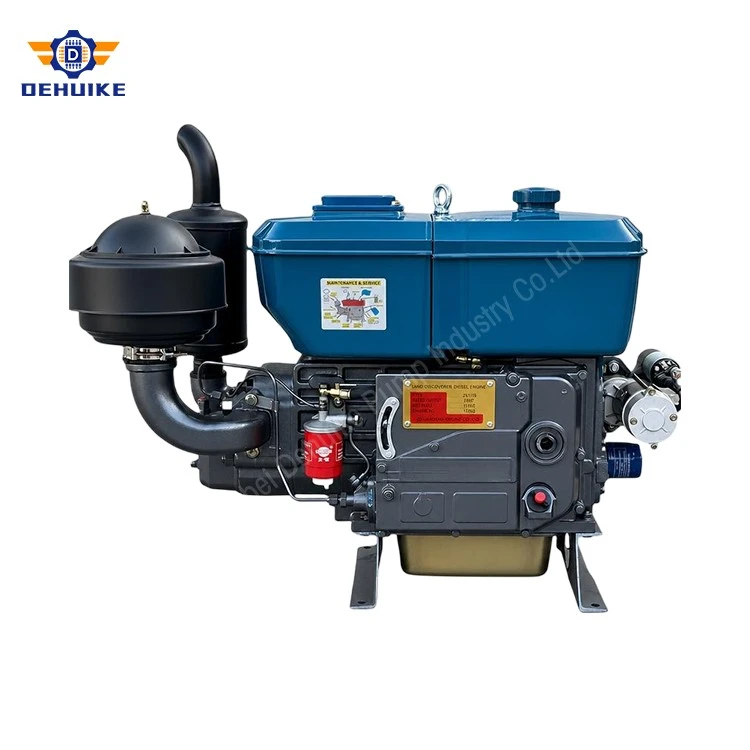
Horizontal single-cylinder engines for pumps and agricultural equipment
At an irrigation site, the power supply is often as much a part of the job as the pump itself. A field may be too far from the nearest connection, or the equipment may need to move between working locations. A diesel engine gives the machine its own source of mechanical power. The useful question is then quite specific: which engine suits the load, the drive arrangement and the way the equipment will be used?
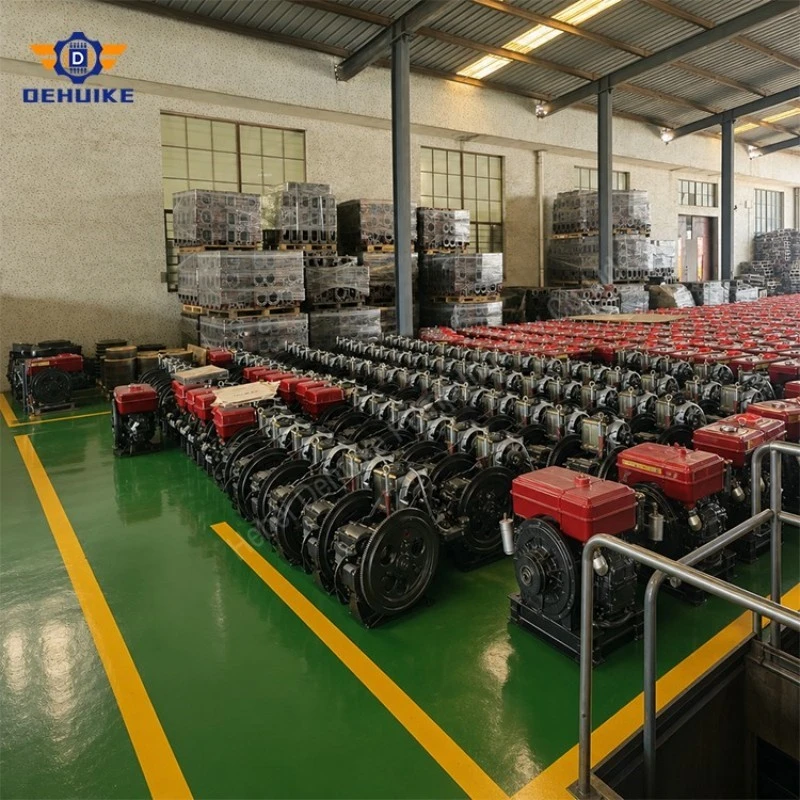
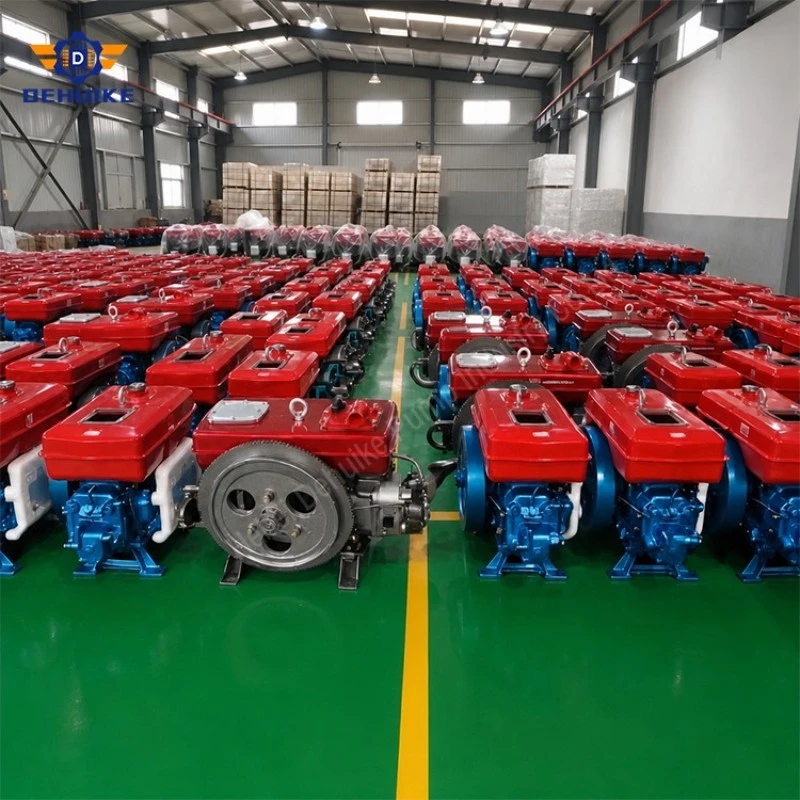
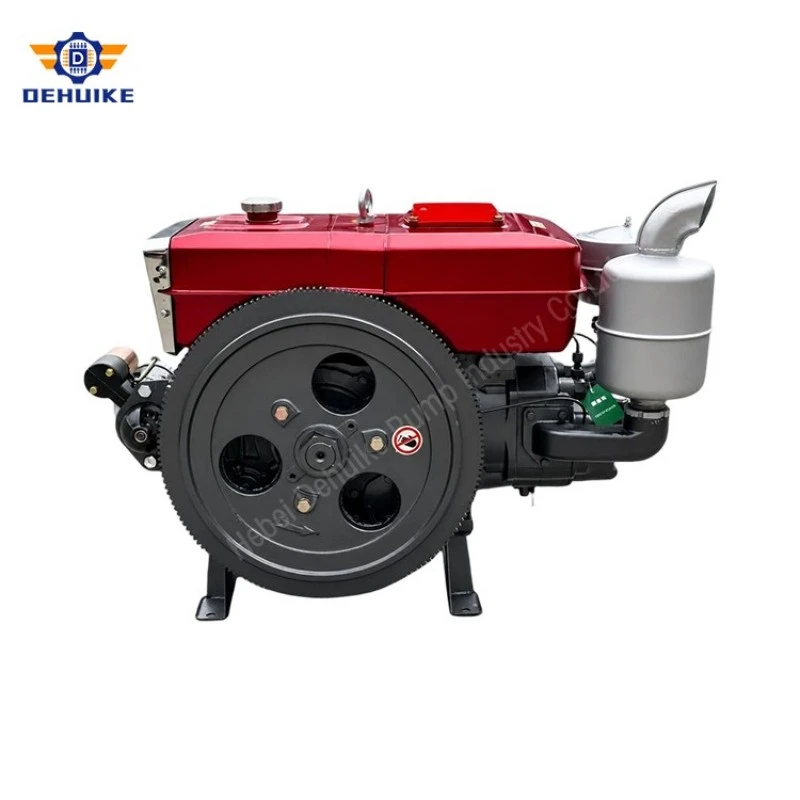
The S195–ZS1130 range covers seven horizontal, single-cylinder, water-cooled models. Rated output runs from 8.8 to 23 kW, with all ratings stated at 2200 rpm. The engines share a four-stroke layout, but their displacement, combustion system and weight differ. Those differences matter when building a pump set, replacing an existing prime mover or choosing models for a distribution programme.
This range can be considered for irrigation, drainage, water transfer and compatible agricultural machinery. Suitability still rests on the complete installation. A pump with a particular flow and head requirement needs a corresponding shaft input; a machine with a different working cycle may place different demands on the same engine. The following specifications provide a starting point for that comparison.
What changes across the range
S195 is the smallest model listed, with an 8.8 kW rating and 0.815 L displacement. ZS1100 raises rated output to 11 kW. Both use swirl combustion. From ZS1105 onwards, the series uses direct injection, reaching 23 kW and 1.659 L displacement on ZS1130. Buyers looking specifically for a direct-injection engine should keep that boundary in mind when comparing quotations.
Not every step in model number produces the same increase in power. ZS1105 and ZS1110, for example, are rated at 12.1 and 12.5 kW respectively, while their listed net weights differ by 25 kg. The gap between ZS1115 and ZS1125 is larger: rated output rises from 14.7 to 20 kW. Comparing model names alone can therefore obscure differences that affect a finished machine.
The dimensions given for every model are 92 × 46 × 76 cm. Treat these as an overall reference when reviewing the product range. They do not supply the mounting-hole positions, shaft projection or space needed around the equipment. Before fabricating a base or approving a replacement, obtain the drawing for the actual engine and its selected accessories.
Technical specifications
|
Model |
Rated kW |
Max. kW |
Bore mm |
Displ. L |
Net kg |
|
S195 |
8.8 |
9.7 |
95 |
0.815 |
145 |
|
ZS1100 |
11 |
12.1 |
100 |
0.903 |
155 |
|
ZS1105 |
12.1 |
13.2 |
105 |
0.996 |
155 |
|
ZS1110 |
12.5 |
13.2 |
110 |
1.0931 |
180 |
|
ZS1115 |
14.7 |
16.2 |
115 |
1.1945 |
185 |
|
ZS1125 |
20 |
Not stated |
125 |
1.473 |
208 |
|
ZS1130 |
23 |
Not stated |
130 |
1.659 |
212 |
All rated and maximum outputs in the table are stated at 2200 rpm. A dash means that maximum output is not specified for that model. It should not be interpreted as zero output or as confirmation that the rated and maximum values are equal.
Specific fuel consumption is listed as no more than 258.4 g/kWh for S195 and 257 g/kWh for ZS1100. The five direct-injection models, ZS1105 through ZS1130, each carry a limit of 244.8 g/kWh. These are mass-per-energy figures. They are not litres per hour, and they do not establish what an engine will consume at every operating load.
The common equipment descriptions list evaporation or radiator cooling, hand-crank or electric starting, and combined pressure and splash lubrication. Confirm which cooling and starting arrangement is included in an individual offer. A catalogue listing of alternatives does not establish that every quoted engine includes both arrangements or all associated equipment.
Reading power figures in a useful way
Rated output is the first figure to compare with the driven machine. Maximum output is a separate entry and should remain separate in specifications and purchase documents. For example, S195 is listed at 8.8 kW rated and 9.7 kW maximum; ZS1115 is listed at 14.7 and 16.2 kW. Quoting only the larger number would give an incomplete description of either engine.
ZS1125 and ZS1130 have rated outputs of 20 and 23 kW, but no maximum-output figures are provided. A buyer who needs that information should request the relevant performance sheet. It would be misleading to extend the pattern from the smaller models or apply a presumed percentage to fill the empty entries.
The shared rating speed also needs attention. A machine designed to run at another shaft speed may require a suitable transmission arrangement. The existence of a 2200 rpm engine rating does not mean that every pump or agricultural implement should be driven directly at that speed. Check the driven equipment first, then assess the connection and any reduction or speed increase required.
For an existing installation, record how the present machine operates before selecting a replacement. The old engine's model plate, shaft details and drive layout are useful references. They do not replace the load requirement, but they help identify where a proposed replacement will need changes to the base, coupling, belt arrangement or surrounding equipment.
The available figures describe individual rating points, rather than a complete torque curve or load-response test. They should not be used to promise starting performance, short-term overload capacity or a particular response to sudden load changes. Where those behaviours matter to the machine, request supporting information for the selected model and discuss the operating cycle with the supplier.
Irrigation and water-transfer work
For an irrigation pump set, begin with the water requirement: the intended flow, delivery head and operating period. The pump selection establishes the shaft-power requirement at its intended working point. Engine choice follows from that requirement and the proposed drive. Selecting the prime mover before establishing the pump duty can leave the package poorly matched even when the individual components are serviceable.
Site information helps explain the duty. A short transfer between nearby channels differs from a delivery line serving a more distant field. Suction conditions, pipework and the required discharge arrangement belong in the pump enquiry. They are not engine specifications, but they influence the work that the engine will ultimately have to support through the pump.
Mobility is another practical consideration. A unit that remains beside one water source can be arranged differently from a set moved regularly between plots. Engine weight is only one part of the transport load; the pump, frame and other fitted equipment also count. State whether the package will be fixed, skid mounted or incorporated into a mobile assembly so the quotation can address the intended format.
Long operating periods make access especially relevant. The layout should leave room to inspect the engine, attend to cooling and reach normal service points without dismantling unrelated equipment. These details are easy to miss when a purchase is reduced to model number and price. They are much easier to resolve while the engine and pump are still being configured.
Drainage packages have their own working pattern
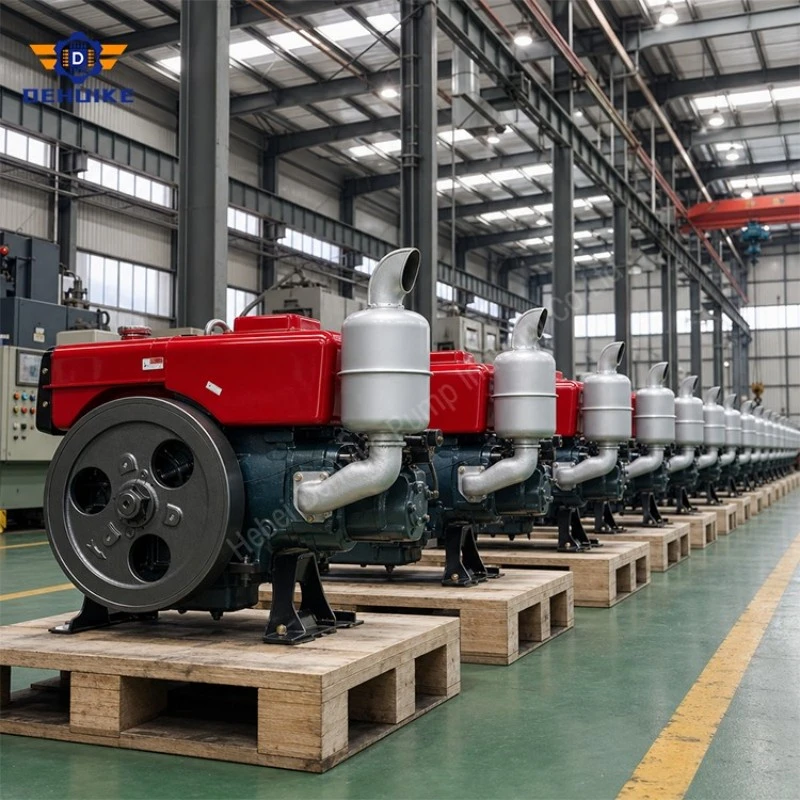
Drainage equipment may stand unused between jobs and then be needed promptly when water accumulates. That operating pattern makes the starting arrangement, inspection routine and accessibility worth discussing early. An electric-start option may suit a particular package, but the quotation should state the supplied starting equipment rather than leave its scope to assumption.
The liquid also matters to pump selection. Clean-water transfer and drainage involving suspended material are different duties. Giving the supplier a description of the liquid allows the pump side of the package to be assessed properly. Choosing a larger engine does not correct an unsuitable pump type, and a power rating alone cannot establish whether a unit will handle the intended liquid.
For temporary sites, describe where the equipment will stand and how it will connect to the pipework. A workable arrangement needs space for the complete assembly and routine access around it. The engine's listed dimensions provide only part of that picture. The suction and delivery connections, base, cooling equipment and operator position all contribute to the final layout.
If a project calls for a particular pumping result, ask for the proposed pump model and duty point alongside the engine selection. This connects the commercial offer to the actual task. It also makes competing proposals easier to compare, since each supplier is responding to the same flow, head and installation conditions rather than a general request for a diesel pump.
Agricultural machinery and other mechanical drives
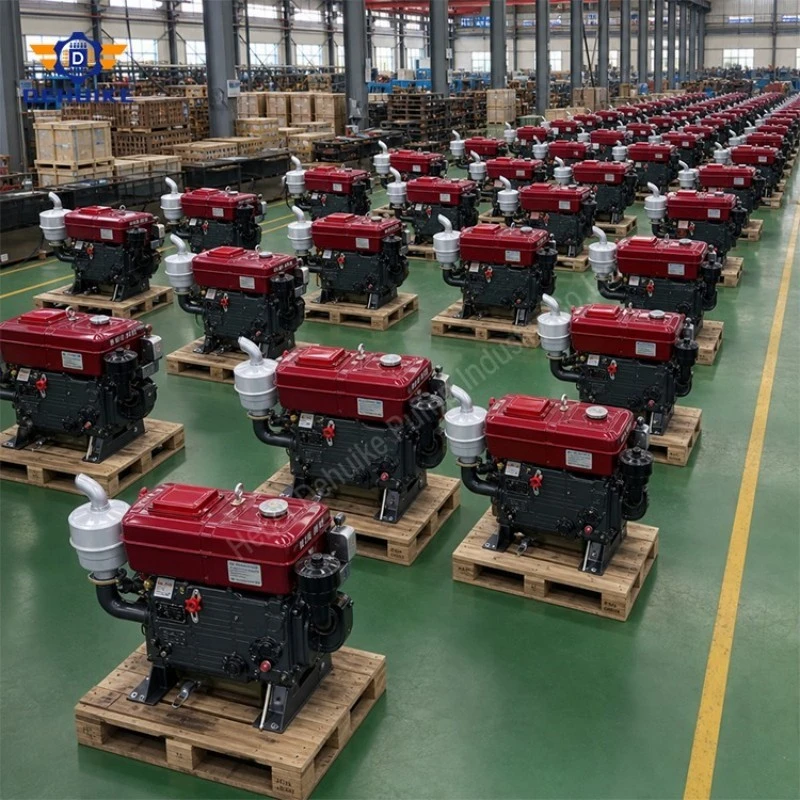
Away from pumping, the driven machine determines which characteristics deserve the closest attention. Establish its input speed, required power and working cycle. A fairly steady load differs from one that engages intermittently or changes during operation. Describing that pattern gives the supplier more useful information than naming an industry alone.
The horizontal single-cylinder format may be relevant where an equipment builder already uses that layout. Even so, a familiar arrangement does not establish interchangeability. A different model can alter weight distribution, connection geometry or access around the machine. Confirm the installation details for each proposed combination, especially when one frame is intended to accept several engines.
For replacement orders, a photograph of the existing assembly can help explain the arrangement, but measured dimensions are still needed for critical interfaces. Include the mounting pattern and shaft information where available. If those details are missing, identify them as items to confirm before accepting the replacement rather than relying on the overall envelope alone.
Avoid choosing by the highest output figure simply because it is available. The 23 kW model is the top of this listed range, not a universal recommendation for every application. A suitable selection accounts for the machine's demand and the intended installation. Price, handling and configuration can then be compared on a basis that reflects the equipment being built.
Combustion system and fuel information
The division between swirl combustion and direct injection is a concrete distinction in this series. S195 and ZS1100 belong to the former group; the remaining models belong to the latter. Keep the designation attached to the model in enquiries, stock lists and quotations. Describing the whole range as direct injection would be inaccurate.
The listed consumption limits differ between these groups, but the figures do not establish a fixed saving for a customer's job. Such a comparison needs comparable operating conditions and a defined load. A lower catalogue value is useful information; turning it into a promised fuel-cost reduction without those details goes beyond what the supplied specifications demonstrate.
When preparing a running-cost estimate, distinguish specific consumption from a measured hourly rate. The former relates fuel mass to delivered energy. An estimate for a working shift also needs the output demanded over that period and appropriate fuel data. Ask for the relevant test conditions or performance information if fuel budgeting is a deciding factor in the purchase.
The same care applies to emissions and approvals. The supplied model table does not establish an emissions classification for the engines. Where a destination or project requires particular documentation, list that requirement separately and request evidence for the exact model and configuration. A general description of the supplier's business is not a substitute for model-specific documents.
Frequently Asked Questions (FAQ)
Q1: What are the primary operational benefits of choosing a Multi Cylinder Diesel Engine over single-cylinder or twin-cylinder engines for heavy industrial loads?
A Multi Cylinder Diesel Engine delivers significant mechanical and operational advantages. By firing cylinders at staggered intervals across the crankshaft cycle (every 120 degrees in a 6-cylinder or every 90 degrees in an 8-cylinder), power strokes overlap continuously. This continuous power succession eliminates the torque valleys and severe torsional shocks characteristic of single-cylinder machinery, resulting in a smooth, continuous torque output that minimizes mechanical wear on pump bearings, flexible couplings, and reduction gearboxes. Additionally, multi-cylinder engines achieve significantly higher mechanical efficiency, greater power-to-weight ratios, and superior transient load acceptance, allowing them to assume large step loads without substantial speed droop.
Q2: How does a viscous torsional vibration damper protect the crankshaft of a multi-cylinder diesel engine?
Every multi-cylinder crankshaft experiences cyclic torsional wind-up and unwind as successive cylinders fire. At specific resonant speeds (critical speeds), these torsional vibrations can amplify to destructive levels, potentially leading to crankshaft fatigue failure or gear train damage. A viscous torsional vibration damper consists of an annular inertia ring floating within a precision-machined housing filled with high-viscosity silicone fluid. When the crankshaft twists under torsional acceleration, relative motion occurs between the housing and the inertia ring. The shearing of the silicone fluid dissipates vibration energy as harmless heat, dampening torsional oscillations across the entire operational speed range and ensuring long crankshaft fatigue life.
Q3: How do operators verify that individual cylinders are performing uniformly in a heavy-duty multi-cylinder engine?
In modern multi-cylinder diesel operations, cylinder-to-cylinder balance is verified primarily through individual exhaust port thermocouple probes. When the engine is operating under stable prime load, exhaust temperatures across all cylinders should remain within a narrow band (typically within +/- 25 deg C of the mean temperature). A cylinder with significantly lower exhaust temperature indicates incomplete combustion, poor injection atomization, or low compression, whereas an elevated exhaust temperature indicates fuel over-delivery or exhaust valve leakage. In electronically controlled China III (Tier 3) engines, the engine ECU continuously monitors individual cylinder instantaneous crankshaft angular acceleration, automatically performing micro-adjustments to individual injector fuel trim to maintain perfect cylinder power balance.
Q4: How should consulting engineers size a multi-cylinder diesel engine when direct-coupling to an industrial centrifugal pump?
When matching a Multi Cylinder Diesel Engine to high-head fluid machinery or centrifugal slurry pumps, engineering designers calculate the maximum shaft power absorbed at the pump's Peak Efficiency Point (BEP) under worst-case impeller trim. Sound engineering practice calls for a continuous power rating with a 15% to 20% safety headroom above peak shaft demand. This operational buffer offsets localized temperature elevations, altitude-related air thinning (approximately 1% per 100 meters above 1000 m), and transmission losses, ensuring the engine runs within its clean-combustion sweet spot without thermal strain or excessive exhaust smoking.
Q5: What lubricating oil filtration and maintenance regimes are essential for high-displacement multi-cylinder engines?
Large-displacement multi-cylinder engines generate significant combustion soot and operational heat. Maintaining lubrication integrity requires high-capacity multi-stage oil filtration combining full-flow cellulose or synthetic fiber filters with bypass centrifugal soot separators. Lubricating oil should be formulated to API CI-4, CJ-4, or CK-4 standards with high detergency and an appropriate Total Base Number (TBN > 10 to 12) to neutralize acidic combustion blowby products. Standard oil drain intervals should be scheduled every 250 to 500 operating hours, supported by periodic used-oil spectroscopic analysis to monitor soot loading, viscosity index, and trace wear metals (iron, copper, lead) before scheduled overhauls.
Q6: What export documentation and factory warranty protection accompany DHK multi-cylinder shipments?
Each dispatched multi-cylinder powertrain includes an authoritative technical dossiers portfolio: manufacturer's Certificate of Origin and Quality, certified dynamometer power-load charts, CAD outline mounting drawings, and comprehensive workshop maintenance manuals with exploded spare parts diagrams. Dehuike backs all engines with a full two-year warranty supported by our international engineering division. Complimentary initial service supply kits (primary and secondary fuel filters, lubrication cartridges, and replacement drive belts) accompany every machinery shipment to enable rapid, hassle-free site commissioning.

Hot Tags: four stroke diesel engine, China four stroke diesel engine manufacturers, suppliers, factory