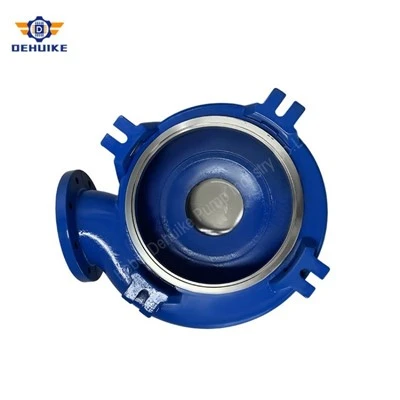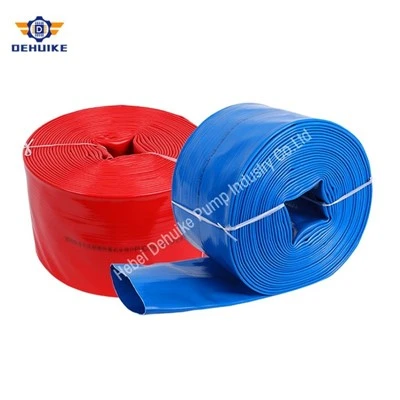

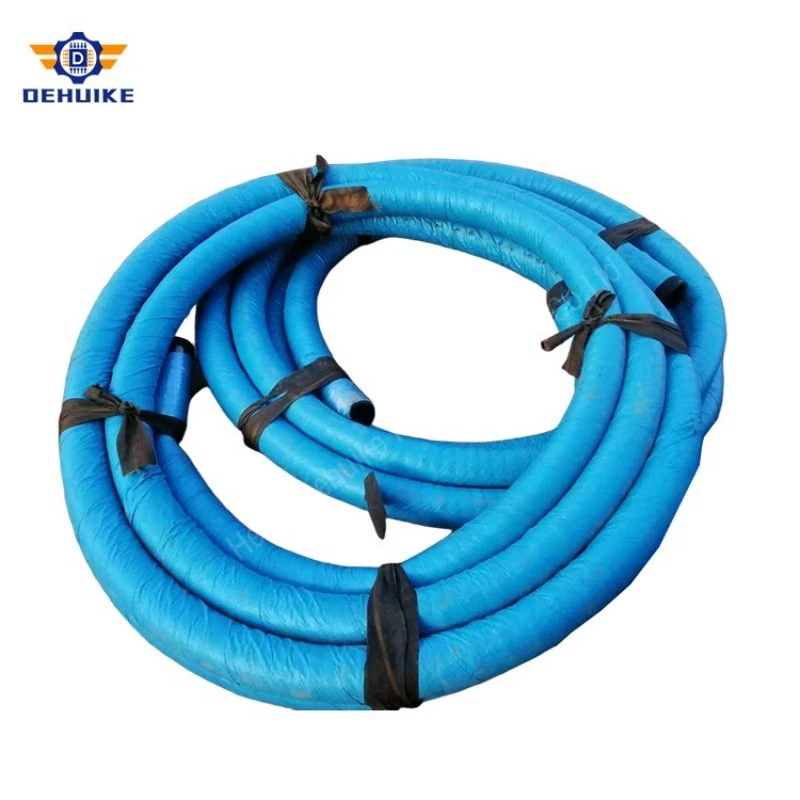
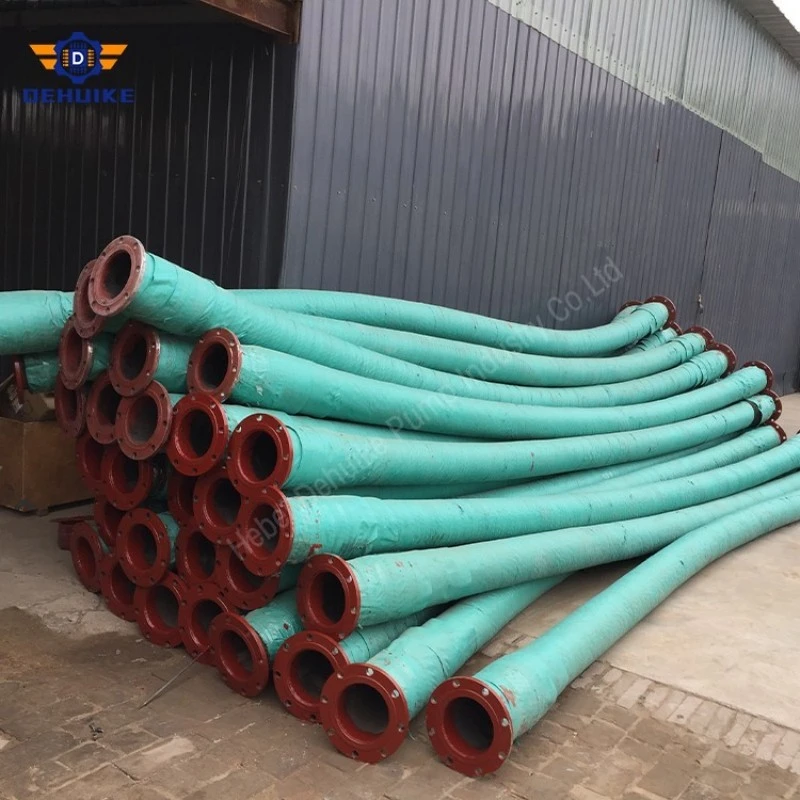
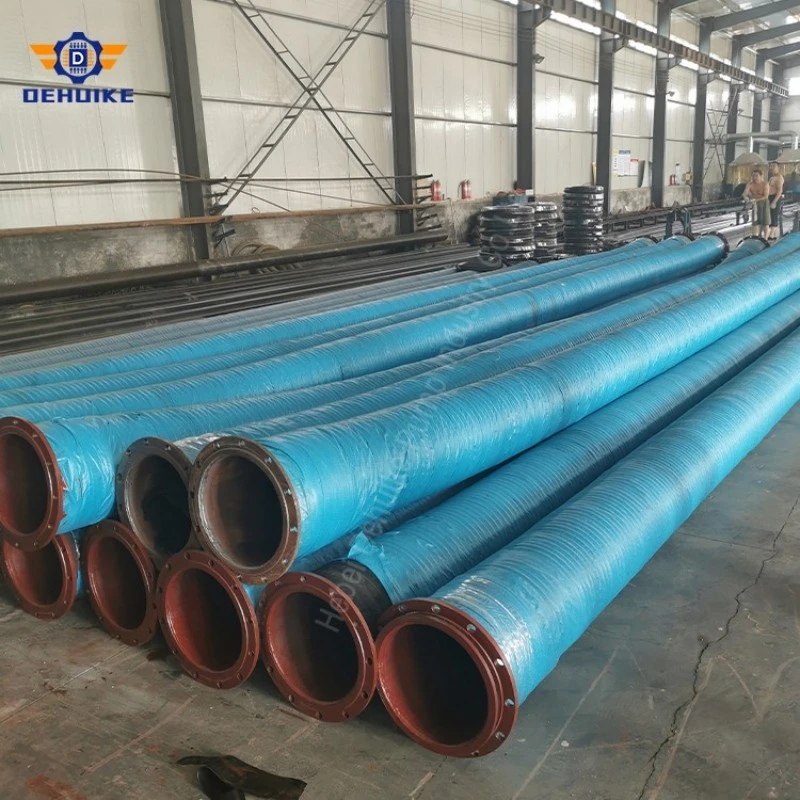
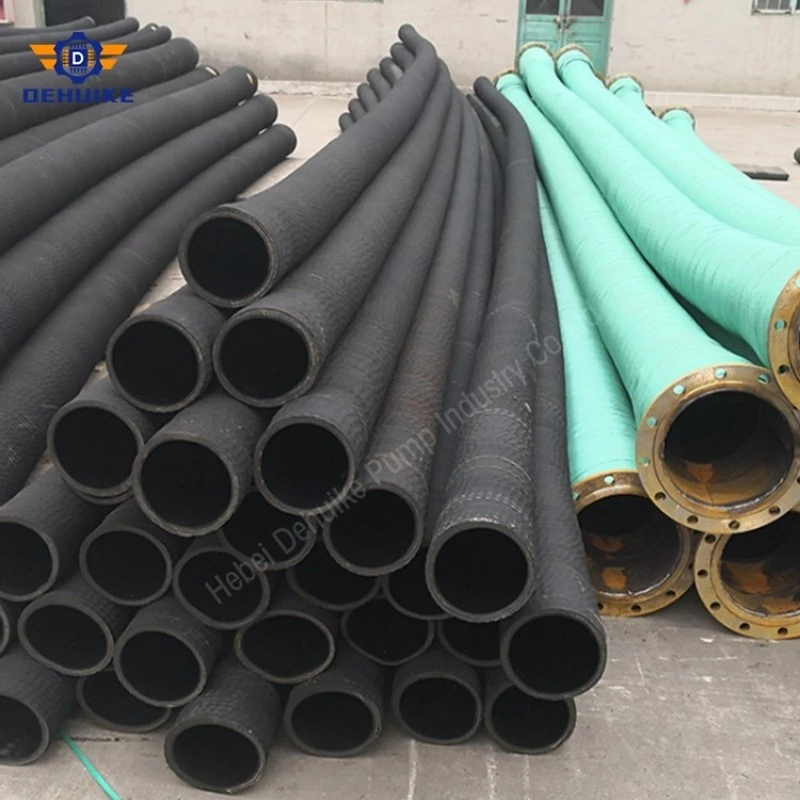
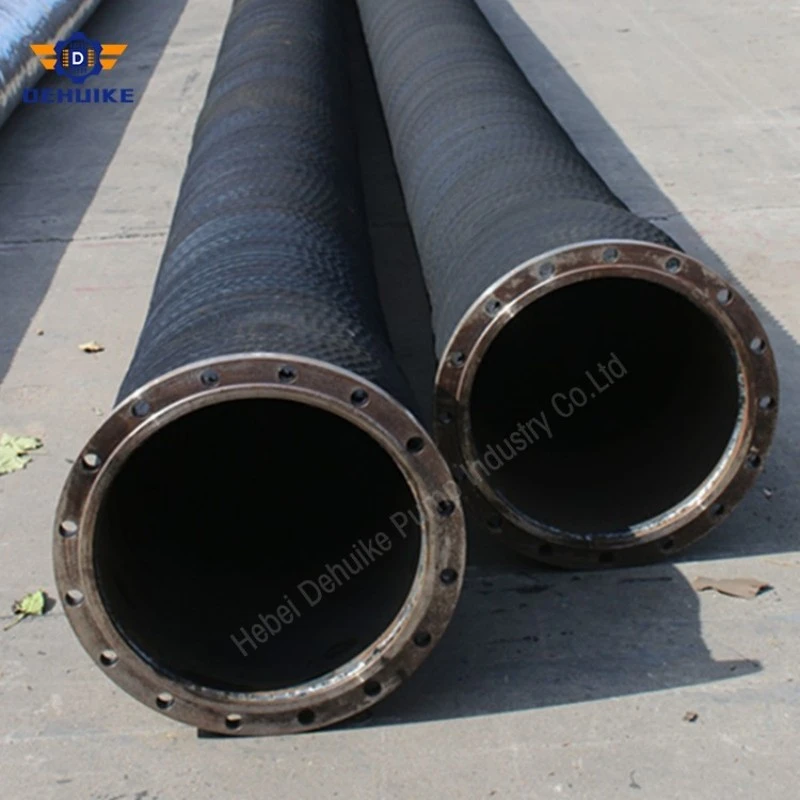
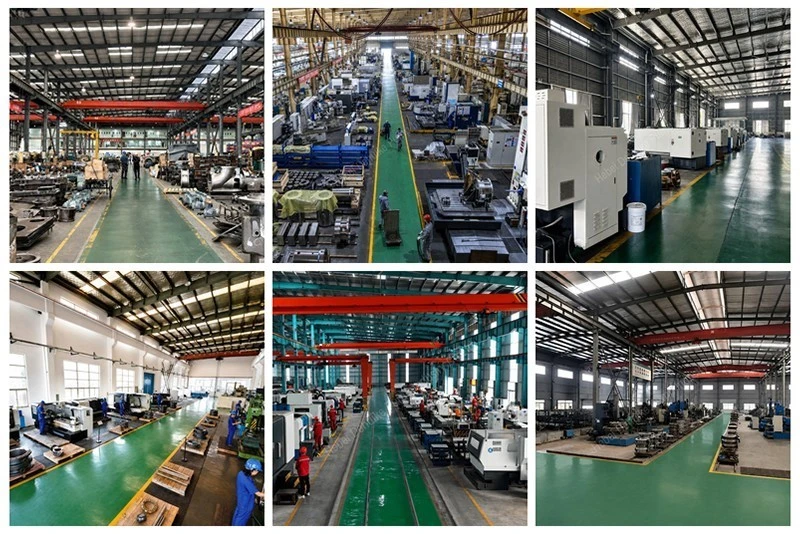
Hebei Dehuike Pump Industry Co., Ltd. is one of the most reliable manufacturers and suppliers of high pressure rubber hose in China. With abundant experience, we are committed to providing high quality customized pumps with competitive price. Welcome to wholesale bulk high pressure rubber hose for sale here from our factory. Also, pricelist is available.
Introduction
In demanding industrial fluid handling systems and hydraulic pumping stations, rigid steel or high-density plastic pipework often faces severe operational liabilities. Continuous mechanical vibration generated by dynamic centrifugal machinery, foundation settlement, thermal expansion and contraction, and acute hydraulic pulsation from valve closures can quickly induce severe fatigue cracking in rigid conduits. Integrating an engineered High Pressure Rubber Hose into these fluid circuits establishes a flexible, highly resilient mechanical connection that decouples high-energy pump discharge ports from fixed downstream headers.
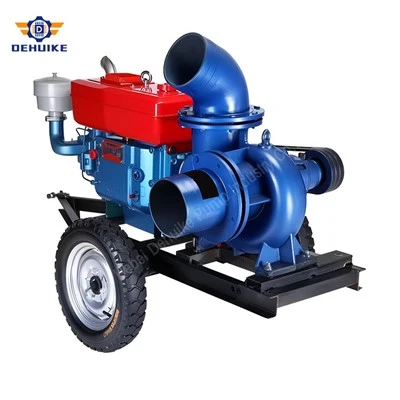
Rather than treating flexible piping as a simple generic conduit, fluid mechanics engineers recognize that a heavy-duty elastomeric transfer line serves as an active dampening component within the piping layout. It absorbs mechanical vibrations before they propagate into building foundations, cushions pressure surges that could rupture rigid elbows, and accommodates geometric misalignments between pumping equipment and connecting manifold flanges. Whether installed on high-volume mining dewatering lines, dredging pipeline discharge manifolds, quarry sand washing plants, or municipal bypass skids connected to a mobile Portable Self-Priming Water Pump, selecting a certified High Pressure Rubber Hose protects structural equipment while maintaining reliable fluid transfer continuity.
This technical guide is developed specifically for plant engineers, piping layout designers, maintenance superintendents, and industrial procurement professionals tasked with specifying and sourcing flexible elastomeric fluid transfer conduits. By examining internal elastomer compounding, carcass wire reinforcement architectures, hoop stress dissipation, and flanged connection integrity, this document provides the engineering foundation necessary to select flexible assemblies that deliver extended service life, prevent unplanned hydraulic shutdowns, and maintain complete operational safety under severe pumping duty.
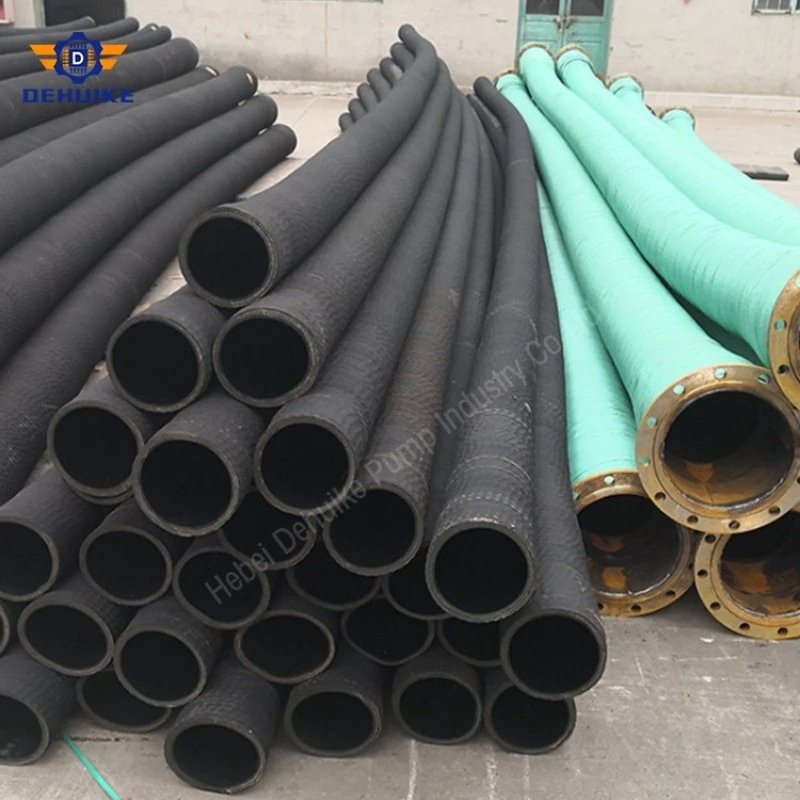
Specifications/Technical Parameters/Technical Data
Engineering a dependable High Pressure Rubber Hose requires matching the internal bore diameter, working pressure threshold, reinforcement tensile strength, and elastomeric compound to the specific fluid dynamics of the pumping application. Fluid velocity, dynamic surge pressures, chemical reactivity, and slurry particle abrasiveness must all be evaluated simultaneously to establish the correct technical specification.
Table 1 outlines standard mechanical dimensions and operating parameters across industrial bore sizes from DN50 (2 inch) up to DN300 (12 inch), providing baseline design thresholds for industrial slurry, mine dewatering, and general industrial pumping installations.
|
Nominal Bore |
Inside Diameter |
Outside Diameter |
Working Pressure |
Proof Test Pressure |
Minimum Burst Pressure |
Minimum Bend Radius |
Vacuum Rating |
|
DN50 |
51 mm (2.0 in) |
68 mm |
4.0 MPa (580 PSI) |
6.0 MPa |
12.0 MPa |
500 mm |
-0.09 MPa |
|
DN75 |
76 mm (3.0 in) |
96 mm |
3.5 MPa (507 PSI) |
5.25 MPa |
10.5 MPa |
750 mm |
-0.09 MPa |
|
DN100 |
102 mm (4.0 in) |
124 mm |
3.0 MPa (435 PSI) |
4.5 MPa |
9.0 MPa |
1000 mm |
-0.09 MPa |
|
DN150 |
152 mm (6.0 in) |
180 mm |
2.5 MPa (362 PSI) |
3.75 MPa |
7.5 MPa |
1500 mm |
-0.085 MPa |
|
DN200 |
203 mm (8.0 in) |
236 mm |
2.0 MPa (290 PSI) |
3.0 MPa |
6.0 MPa |
2000 mm |
-0.08 MPa |
|
DN250 |
254 mm (10.0 in) |
292 mm |
1.6 MPa (232 PSI) |
2.4 MPa |
4.8 MPa |
2600 mm |
-0.08 MPa |
|
DN300 |
305 mm (12.0 in) |
348 mm |
1.2 MPa (174 PSI) |
1.8 MPa |
3.6 MPa |
3200 mm |
-0.075 MPa |
The internal carcass construction must balance flexibility with extreme resistance to hoop stress and external crushing loads. Table 2 details the multi-layer elastomeric compounding and reinforcement architectures engineered into every industrial elastomeric pumping conduit.
|
Structural Layer |
Material Compound / Formulation |
Tensile Reinforcement Architecture |
Primary Functional Role |
Media Suitability |
|
Inner Tube Wear Liner |
High-purity Natural Rubber (NR) / Polybutadiene (BR) blend |
Seamless mandrel-extruded dense elastomer (60 Shore A) |
Resists sliding abrasion, particle impact, and scour erosion |
Tailings slurry, silica sand, crushed ore, mineral washings |
|
Synthetic Fluid Liner |
Acrylonitrile Butadiene (NBR) or EPDM synthetic rubber |
Chemically stabilized cross-linked polymer matrix |
Resists hydrocarbon swell, oil mist, acid/alkali leaching |
Oily wastewater, hydrocarbons, chemical effluents, heated fluids |
|
Carcass Reinforcement Core |
Brass-coated high-tensile carbon steel spiral cords |
Multi-ply alternating-angle spiral wraps (54°44' neutral angle) |
Contains internal hydraulic hoop stress and prevents diameter expansion |
High-pressure discharge flows, surge dampening |
|
Vacuum Support Helix |
High-carbon spring steel helical wire |
Embedded continuous spiral wire anchored in tie-gum compound |
Prevents structural collapse under deep suction vacuum |
Pump suction lines, Portable Self-Priming Water Pump intakes |
|
Cushion & Adhesion Plies |
High-tack natural rubber skim compound |
Interleaved elastomeric bonding layers between steel plies |
Distributes shear stresses and eliminates interlayer delamination |
Dynamic bending, mechanical vibration absorption |
|
Weatherproof Outer Jacket |
Synthetic Chloroprene (CR) / SBR rubber compound |
Heavy-gauge wear and ozone-stabilized outer sheath |
Resists sunlight, UV degradation, ozone cracking, and abrasion |
Outdoor open-pit mining, marine salt spray, gravel dragging |
From an engineering standpoint, fluid velocity through flexible lines should be regulated within target design windows. For abrasive slurries, maintaining a bulk velocity between 2.2 m/s and 4.0 m/s ensures solid particles remain suspended above the settling critical velocity while preventing accelerated scouring of the internal elastomeric liner. In clean water or municipal dewatering circuits, velocities up to 5.5 m/s are acceptable without generating excessive frictional pressure loss across the smooth extruded inner tube.
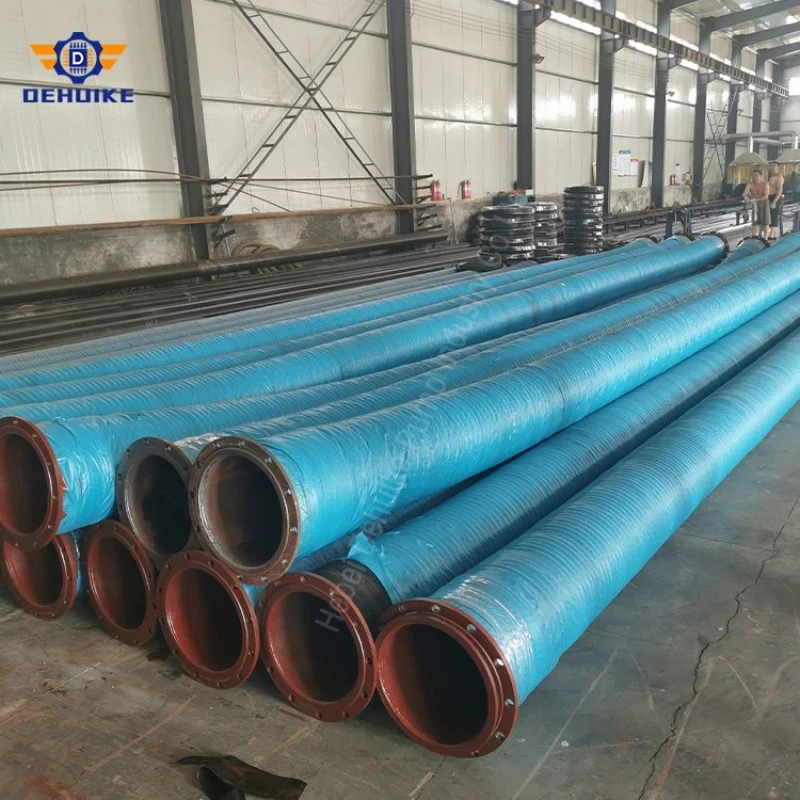
Why a High Pressure Rubber Hose Adds Value to a Fluid System
The procurement value of a High Pressure Rubber Hose comes from fit, not from a broad claim of universal suitability. When the hose is correctly matched to pressure, medium, connection, and installation route, it can simplify system layout and help service teams manage equipment movement or component replacement. It is particularly useful where a rigid section would transmit vibration, create alignment difficulties, or slow down routine maintenance.
For buyers managing multiple jobs, a clear configuration record is equally important. The record should identify the intended service, required hose dimensions, operating envelope, connection type, quantity, packaging requirement, marking requirement, and inspection documents. This approach helps distributors and project teams compare like-for-like quotations and reduces the risk of receiving a hose assembly that cannot be installed as planned.
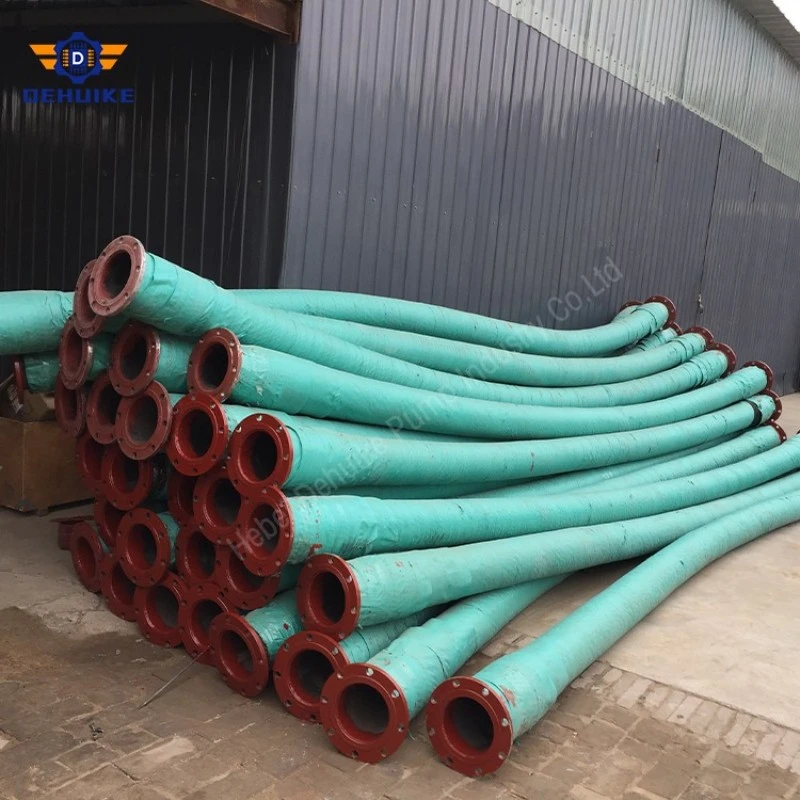
Our Advantages
Our approach is centered on technical clarification before order release. Instead of treating a High Pressure Rubber Hose as a generic commodity, we organize the inquiry around the conditions that govern assembly suitability. This supports clearer communication between purchasing, engineering, installation, and after-sales teams.
-Inquiry review based on application, medium, pressure duty, connection requirement, and installation environment.
-Configuration-focused quotation support so buyers can identify missing technical details before production scheduling.
-Documentation-oriented communication for model confirmation, drawings where applicable, packing instructions, and inspection expectations.
-Support for replacement planning when the buyer can provide existing hose markings, assembly photos, or approved technical records.
Production Process
A controlled hose-assembly workflow should begin with order clarification and approved configuration confirmation. The next steps typically include material preparation, hose preparation, end-connection assembly where required, identification marking, dimensional and appearance checks, packaging, and shipment release. The exact production sequence depends on whether the supply scope is bulk hose, a cut length, or a finished hose assembly with specified end fittings.
For project procurement, the purchase order should state the required inspection points before production starts. This is especially important when the High Pressure Rubber Hose will be installed in a critical process line, abrasive-transfer system, or outdoor operation where replacement access is limited.
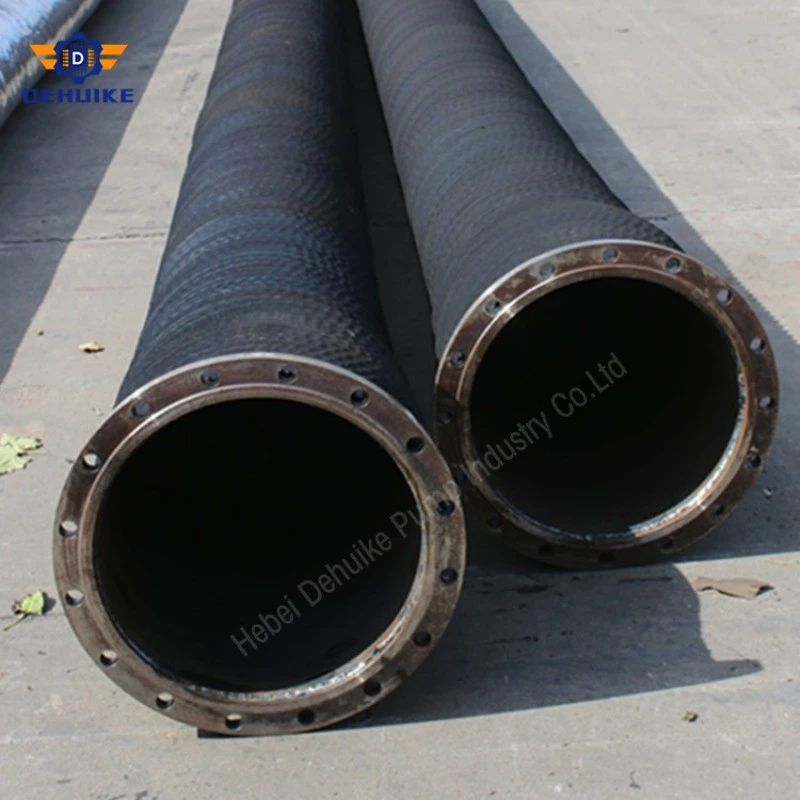
Quality Assurance
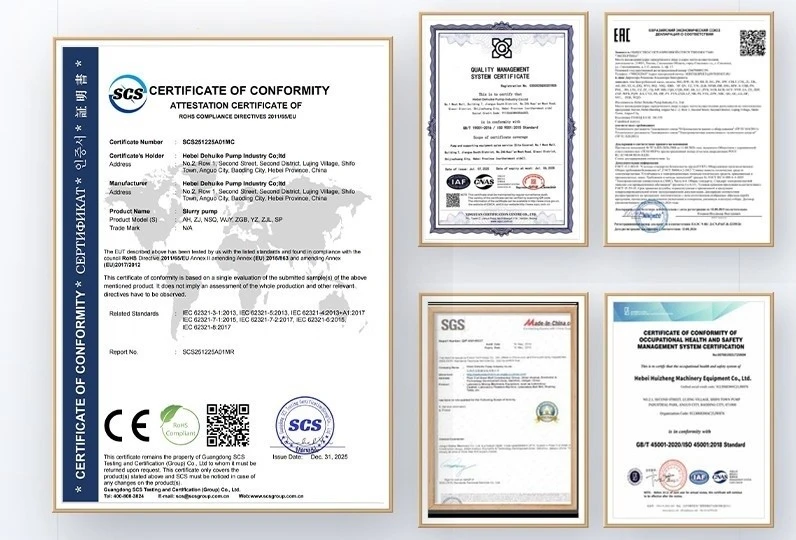
Quality assurance should be tied to the confirmed order specification. Practical inspection controls can include identity verification, visible-condition checks, length confirmation, end-connection verification, marking review, packaging review, and the agreed test or certificate requirements. The applicable inspection scope must be confirmed before shipment because requirements differ by application, buyer standard, and assembly configuration.
To support traceability, buyers should keep the approved specification, order reference, batch or marking information where provided, installation record, and service observations. This creates a useful basis for maintenance planning and future replacement orders.
Application
In each case, the primary selection question is not simply whether a hose is rated as high pressure. The question is whether the complete High Pressure Rubber Hose assembly is suitable for the actual system conditions throughout its intended service cycle.
Our Service
We support buyers from technical inquiry through order clarification and delivery preparation. To receive a more accurate recommendation or quotation, provide the application description, medium details, operating pressure and temperature, required internal diameter and length, end-connection preference, quantity, destination, and any buyer-specific documentation requirement. If an existing hose is being replaced, clear photos of the hose marking and both ends can speed up technical comparison.
-Pre-order technical information checklist and quotation clarification.
-Support for configuration confirmation before production release.
-Packaging and shipping-mark coordination according to the confirmed order scope.
-Post-delivery communication for documentation questions, installation observations, and repeat-order identification.
Experience and Markets
Installation and Maintenance Considerations
Before installation, confirm that the hose is the approved configuration for the line and that the end connections, gaskets, clamps, bolts, and mating parts are compatible. Avoid twisting the hose during assembly, avoid exceeding the stated bend limit, protect it from sharp edges, and provide support where the route or connection load requires it. Do not use a hose to correct major pipe misalignment or to carry unsupported equipment weight.
During service, inspect for cover damage, abnormal deformation, leakage at connections, loose supports, external rubbing, and changes in process conditions. Replace the hose based on the approved maintenance approach and observed condition; do not rely on a generalized service-life claim because operating conditions vary substantially.
FAQ
Q: How do I choose the correct High Pressure Rubber Hose?
A: Start with the conveyed medium, operating pressure, pressure fluctuation, temperature, required size and length, connection type, routing path, and installation environment. Confirm the final selection against the approved technical data sheet.
Q: Can this hose be used for abrasive slurry?
A: Abrasive duty requires a dedicated review. Provide slurry concentration, particle characteristics, flow conditions, pressure, temperature, and expected operating hours so that suitability can be evaluated against the selected configuration.
Q: What connection information is required for a quotation?
A: Provide the connection standard, nominal size, mating component details, sealing requirement, and photos or drawings if available. This helps avoid interface mismatch.
Q: Can I order a finished hose assembly rather than bulk hose?
A: State whether you need bulk hose, cut lengths, or complete assemblies. For complete assemblies, provide the required end connection on each side and the installed length requirement.
Q: How should I evaluate outdoor use?
A: Describe sunlight exposure, weather, ambient temperature, dust, handling frequency, and any contact or abrasion risk. The cover and installation protection should be selected for the real environment.
Q: What data should be confirmed before placing an order?
A: Confirm the approved model, dimensions, pressure values, temperature range, construction details, connection configuration, quantity, inspection scope, packaging, marking, and delivery requirements.

Request a Technical Review
Send your application details and approved parameter requirements to request a configuration-focused quotation for High Pressure Rubber Hose. Clear technical inputs at the inquiry stage help create a hose assembly that fits the system, the installation route, and the purchasing specification.
Hot Tags: high pressure rubber hose, China high pressure rubber hose manufacturers, suppliers, factory