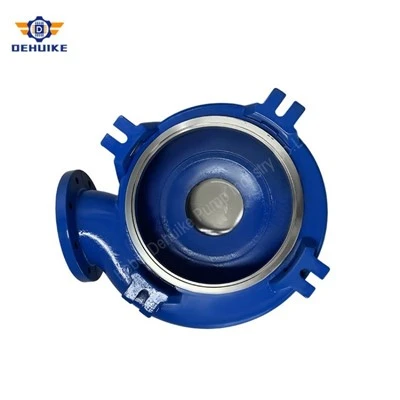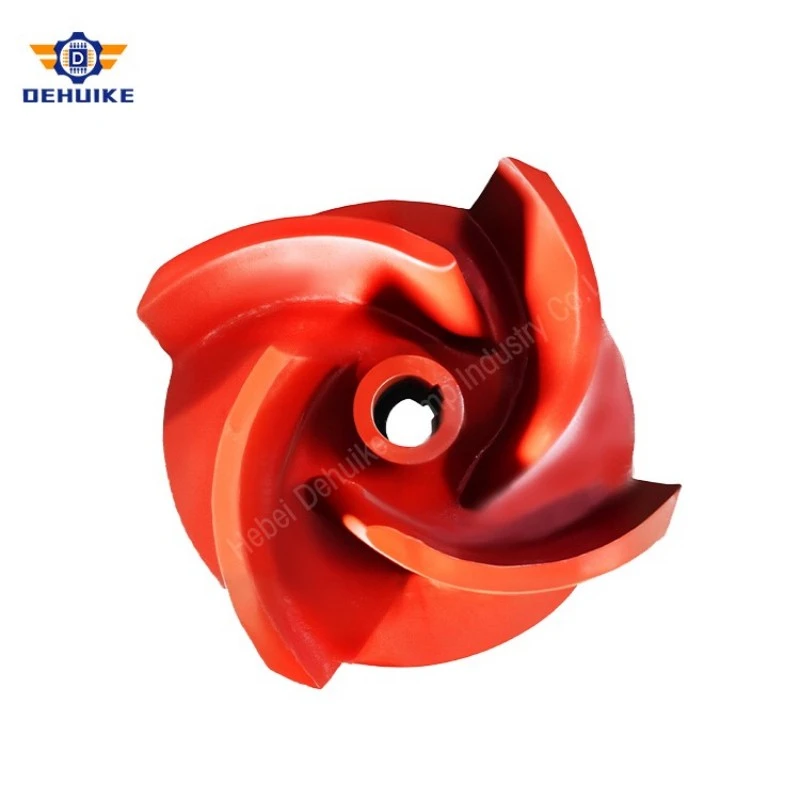
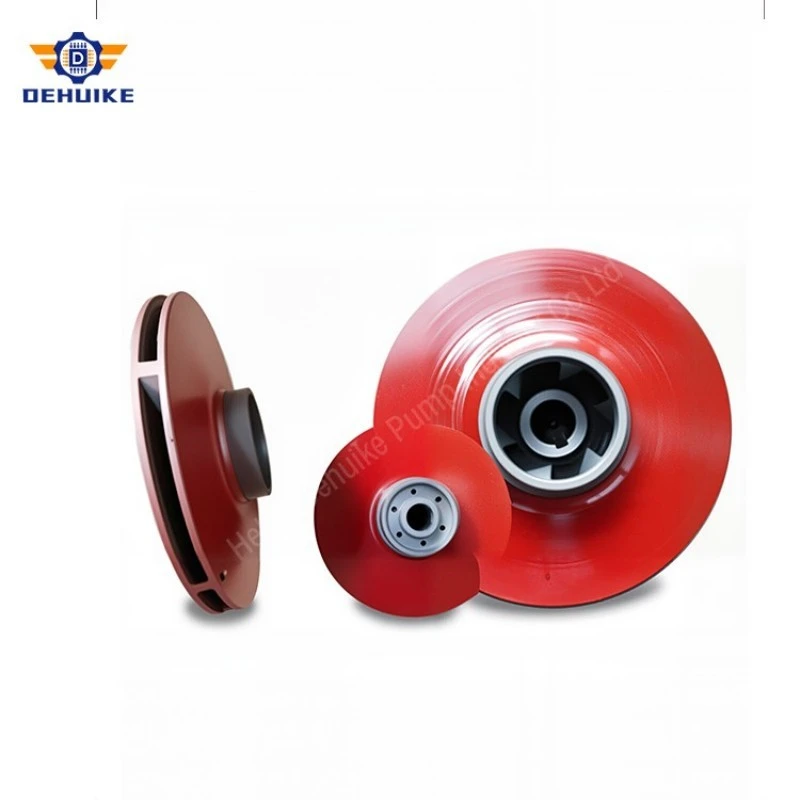
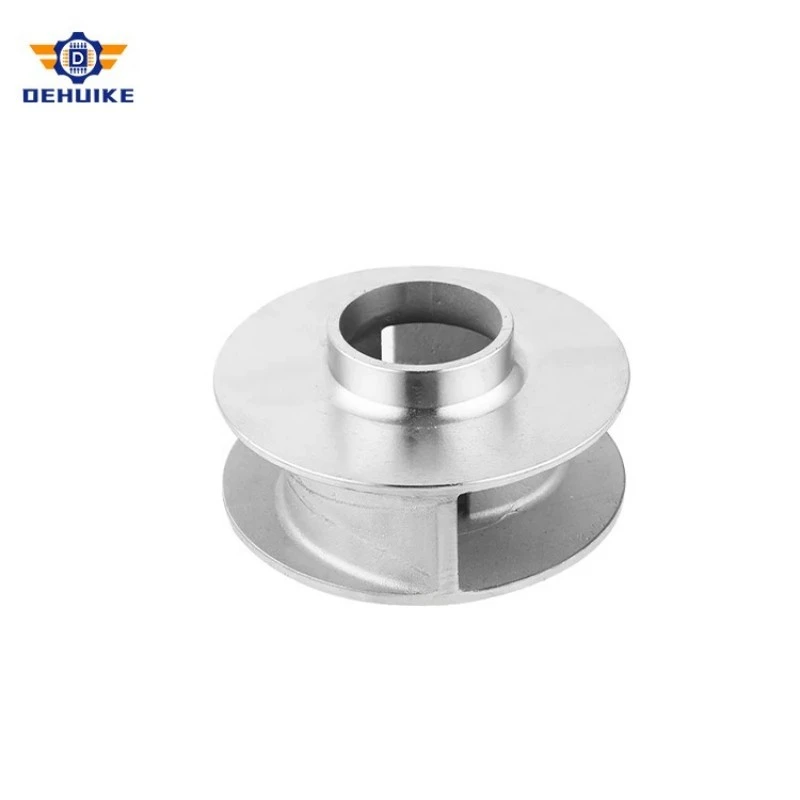
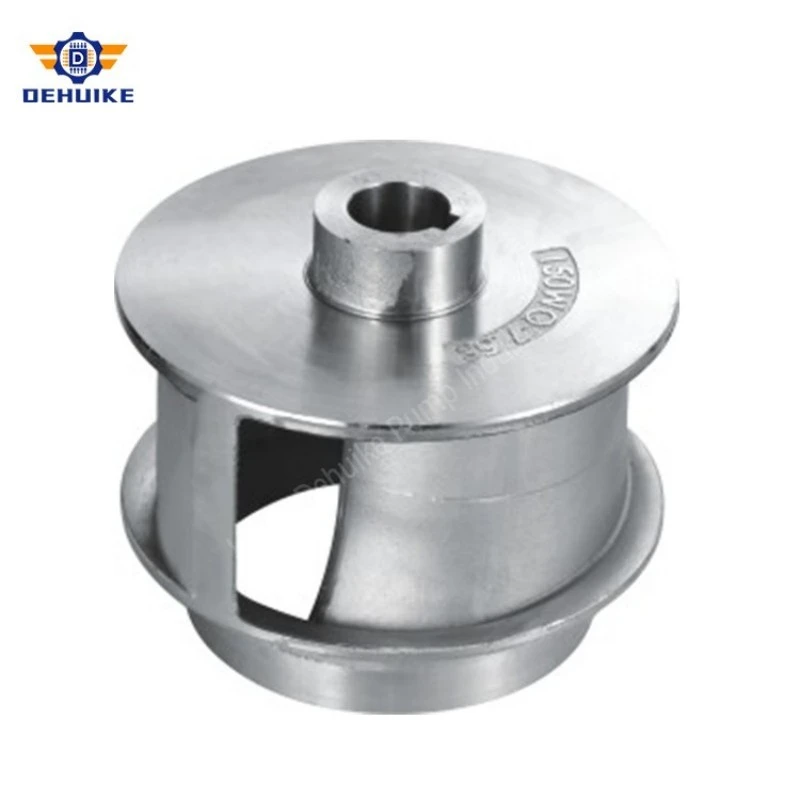
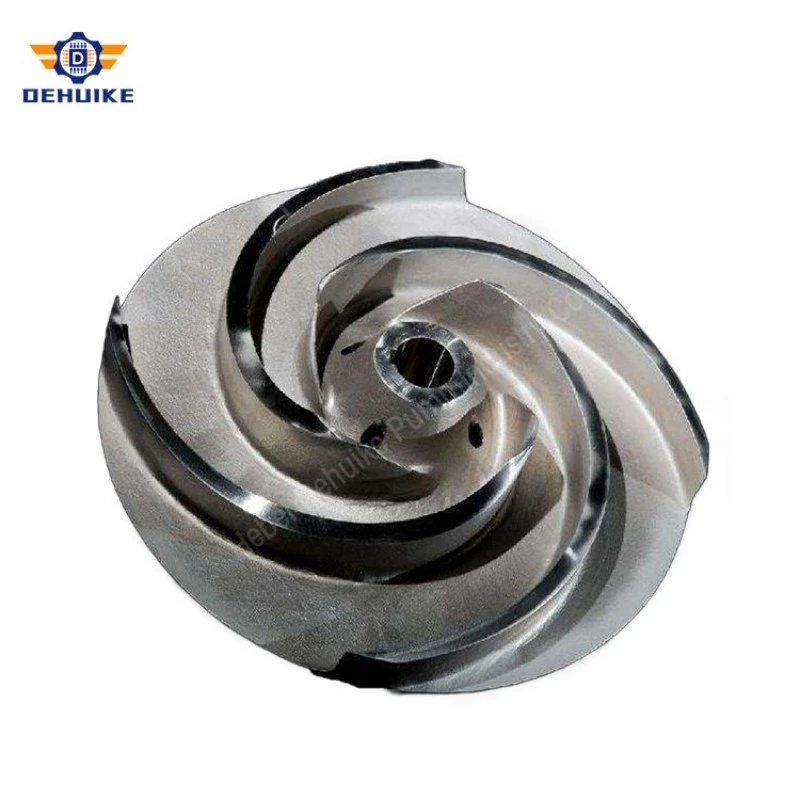
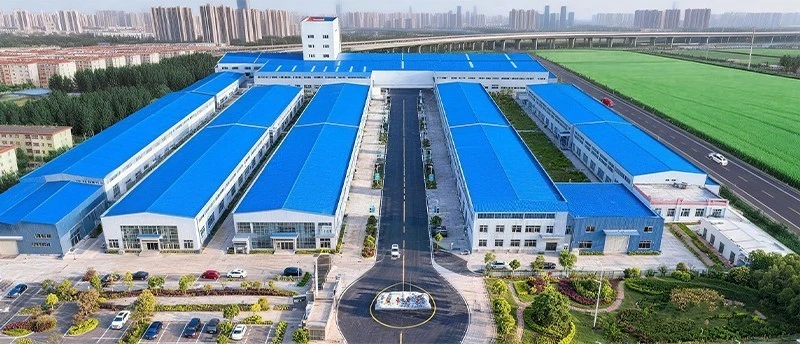
Hebei Dehuike Pump Industry Co., Ltd. is one of the most reliable manufacturers and suppliers of high chrome slurry impeller in China. With abundant experience, we are committed to providing high quality customized pumps with competitive price. Welcome to wholesale bulk high chrome slurry impeller for sale here from our factory. Also, pricelist is available.
Introduction
A High chrome slurry impeller is a wet-end component selected for slurry-pump duties where abrasive solids, changing operating conditions, and maintenance planning require a disciplined approach to spare-parts procurement. The impeller affects the way the pump transfers energy to the slurry, so a correct replacement decision must consider more than a material description. Pump model, approved part reference, hydraulic geometry, mechanical interface, slurry characteristics, duty point, and the condition of the removed component should be evaluated together.
This page is written for maintenance teams, mining and mineral-processing contractors, quarry operators, dredging-support companies, distributors, and engineering buyers. It presents an application-led framework for sourcing a High chrome slurry impeller when model-level data have not yet been supplied. To avoid technical risk, no part number, diameter, alloy grade, vane count, weight, performance value, or fit dimension is stated or inferred here. Those values must come from the approved drawing, pump manual, purchase record, or manufacturer-issued technical data.
Product Details
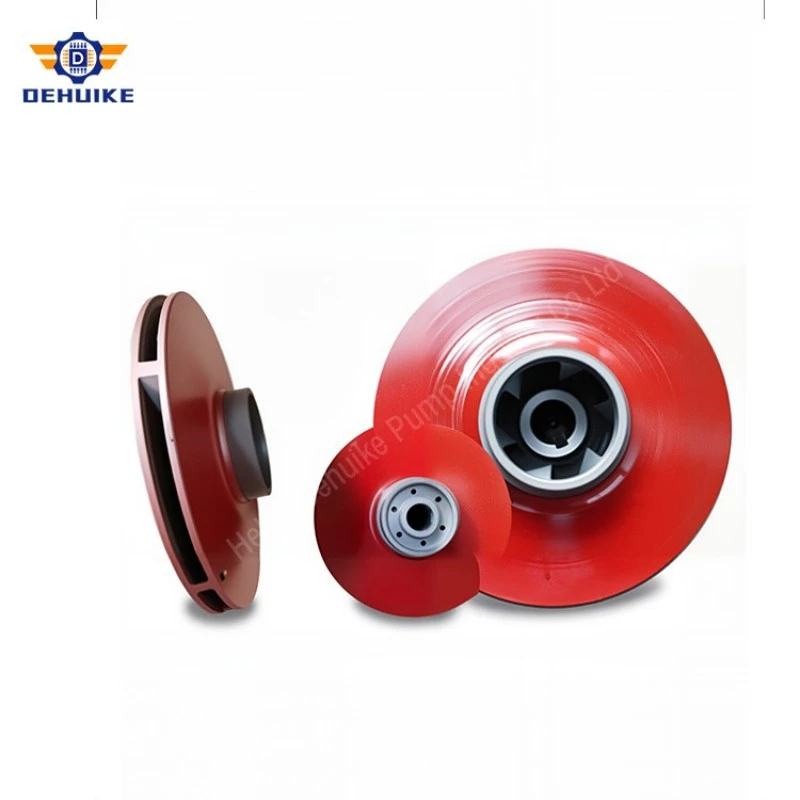
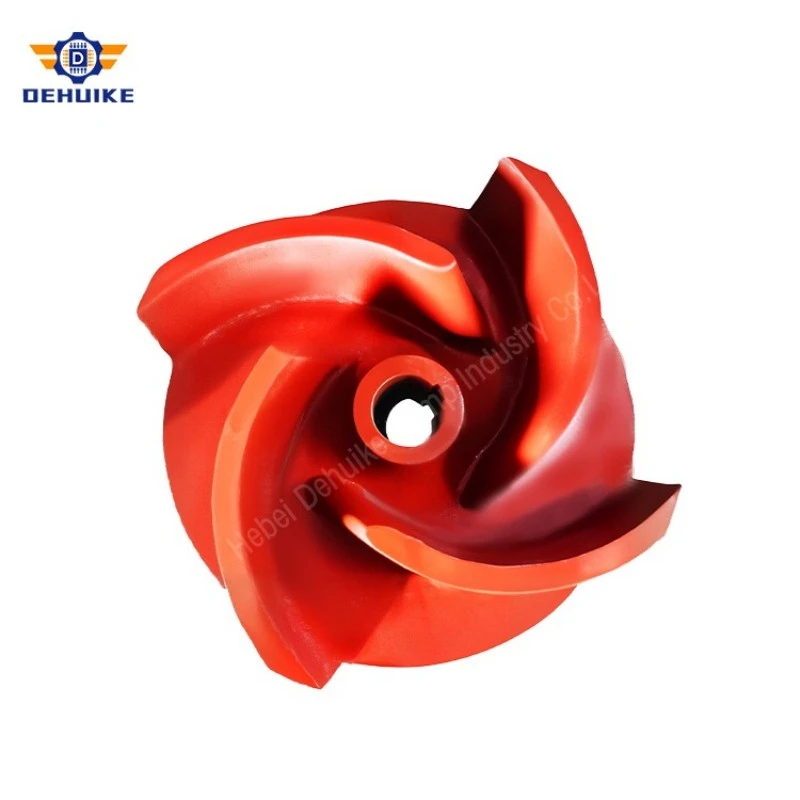
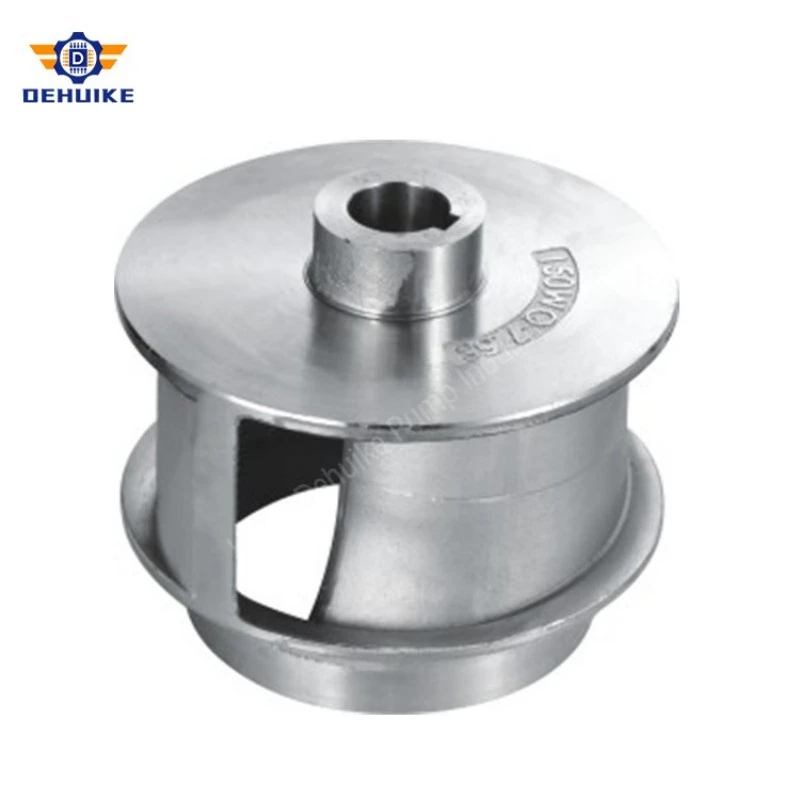
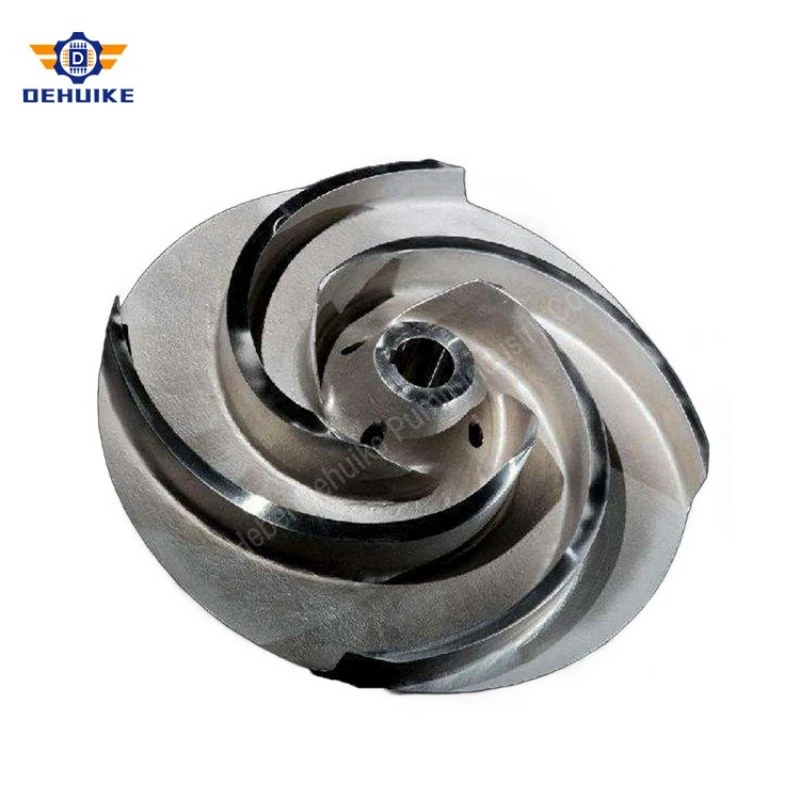
The impeller is the rotating hydraulic element within the slurry pump wet end. Its geometry, material selection, and mechanical fit influence pump operation, wear pattern, maintenance frequency, and the ability of the assembly to match the intended duty. A High chrome slurry impeller is normally evaluated for abrasive-service applications, but suitability remains dependent on the actual slurry and the complete pump configuration. Similar-looking impellers can have different hydraulic, dimensional, or interface requirements; visual similarity alone is not a reliable basis for purchasing.
For replacement or project-spare inquiries, the strongest starting point is a traceable reference: an approved drawing, pump model and impeller part number, the existing component marking, or clear photographs accompanied by measured interfaces. This information makes it possible to compare the proposed component against the installed wet end without assuming critical dimensions.
Specifications / Technical Parameters / Technical Data
No user-provided parameter table is available for this product request. Therefore, this page deliberately replaces a model-and-dimension table with a technical confirmation matrix. This approach keeps the product page useful for buyers while maintaining a strict boundary: values for diameter, bore, keyway, thread, vane geometry, alloy grade, hardness, weight, balance, performance, and service life must be verified against approved source documents before quotation or production release.
|
Technical confirmation module |
Information to provide or verify |
Procurement value |
|
Pump and impeller reference |
Pump model, impeller part number, drawing or existing-item marking |
Prevents an incorrect hydraulic or mechanical match. |
|
Material confirmation |
Approved high-chrome alloy grade, heat-treatment requirement, and any material certificate requirement |
Confirms the purchased component matches the specified wear-duty material scope. |
|
Hydraulic geometry |
Impeller diameter, vane arrangement, inlet geometry, outlet geometry, and trim status |
Supports duty-point matching and correct fit within the wet end. |
|
Mechanical interface |
Shaft bore, keyway, thread, hub, seal interface, and retaining arrangement |
Prevents installation mismatch and unplanned rework. |
|
Operating medium |
Slurry concentration, particle size and shape, solids hardness, fluid chemistry, and temperature |
Defines the real wear and corrosion environment. |
|
Duty conditions |
Flow, head, speed, pressure, operating hours, start-stop frequency, and transient conditions |
Allows the buyer to align the impeller with the actual pump duty. |
|
Wear-history evidence |
Photos, used-part measurements, maintenance record, and observed wear locations |
Helps identify whether the present design or operating condition needs review. |
|
Quality documentation |
Inspection scope, dimensional records, material documents, balance requirement, and marking requirements |
Sets clear acceptance evidence before shipment. |
|
Supply scope |
Bare impeller, associated hardware, spare quantity, packing, labels, and shipping documents |
Avoids ambiguity between quotation and delivery. |
|
After-sales traceability |
Order reference, drawing revision, serial or batch marking where agreed, and installation record |
Supports repeat orders and maintenance planning. |
Procurement Comparison Without a Model Parameter Table
The following comparison module replaces the requested four-to-five-model table. It separates common purchasing scenarios instead of assigning unverified technical values to product models. Once a verified parameter table is available, this module can be replaced with a model comparison table containing only source-approved figures.
|
Procurement scenario |
Typical starting point |
How to compare without unverified model data |
|
Standard replacement review |
Existing impeller is available for identification |
Compare approved part reference, fit interfaces, and recorded service condition before replacement. |
|
Wear-critical slurry duty review |
Abrasion or localized wear is the main concern |
Use medium description, wear map, and duty history to confirm the suitable high-chrome slurry impeller configuration. |
|
Corrosive slurry review |
Chemical exposure may influence material selection |
Confirm full fluid chemistry, temperature, concentration, and exposure time; do not rely on a general slurry label. |
|
Hydraulic duty review |
Pump performance or operating point has changed |
Review hydraulic geometry and duty data with the approved pump documentation. |
|
Project spare review |
Buyer needs controlled spare-parts planning |
Define exact component identification, required documents, packing, and traceability before order release. |
Features / Equipment Characteristics
-Wear-duty focus: select the High chrome slurry impeller against actual solids characteristics, impact severity, flow pattern, and observed wear locations.
-Corrosion review: treat chemical exposure as a separate engineering variable; slurry name alone does not confirm material compatibility.
-Hydraulic matching: confirm the approved impeller geometry and pump duty rather than substituting a visually similar component.
-Mechanical-fit control: verify shaft, hub, keyway, thread, retaining arrangement, and seal-related interfaces before ordering.
-Manufacturing-precision requirement: state drawing revision, tolerances, balance requirement, marking, and inspection evidence where applicable.
-Maintenance value: use the removed part and service record to understand whether wear is normal, localized, accelerated, or linked to changed operation.
-Traceable supply: define part identification, quantity, packing, labels, and documentation in the order scope.
How a High Chrome Slurry Impeller Supports Abrasive-Service Reliability
The practical value of a High chrome slurry impeller is achieved through correct matching, not through unsupported durability claims. In abrasive slurry service, wear behavior is shaped by particle size and hardness, solids concentration, velocity, impeller geometry, pump speed, liquid chemistry, duty cycle, and system changes. A technically complete inquiry allows the buyer and supplier to focus on the actual wear mechanism instead of treating every slurry application as identical.
A controlled selection process also supports maintenance planning. By documenting the removed component condition, inspection observations, operating hours, and changes in process conditions, plant teams can compare future wear patterns and manage spare stock more effectively. This is particularly helpful when the slurry duty includes variable feed characteristics, planned shutdown windows, or restricted access to the pump.
Our Advantages
-Application-led review covering slurry medium, operating duty, wear history, and the component's role in the pump wet end.
-Document-based matching using pump model, part reference, drawings, existing markings, and verifiable interface information.
-Clear separation between confirmed data, optional scope, and information still required before order release.
-Support for replacement planning, project spare identification, packing requirements, and documentation coordination.
Production Process
Quality Assurance
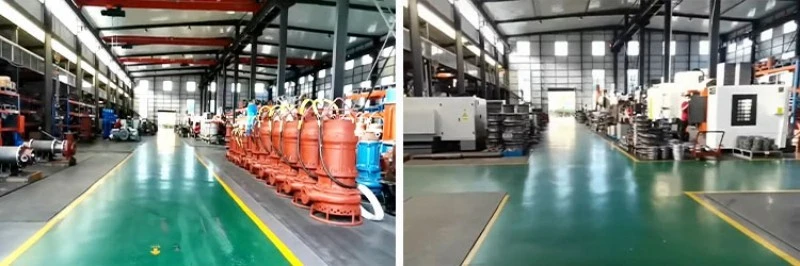
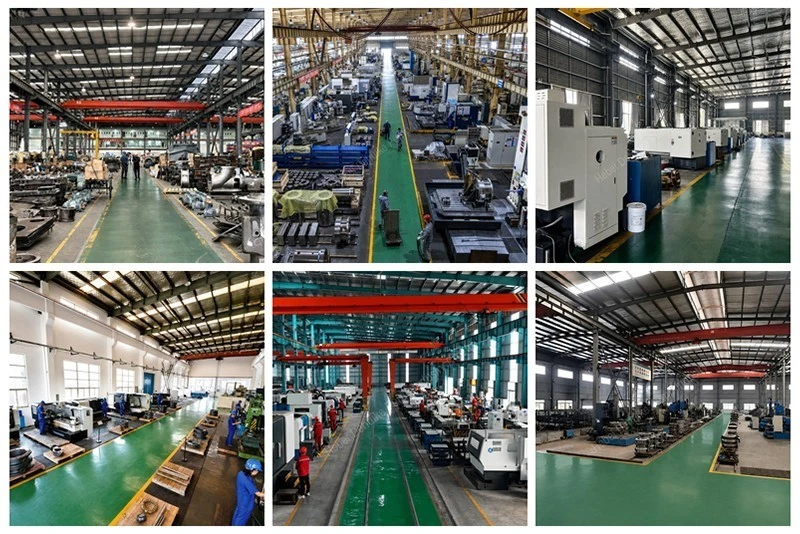
Quality assurance should be tied to the confirmed order specification rather than a generic product description. Depending on the agreed scope, checks can include identity verification, drawing-revision control, visual inspection, agreed dimensional inspection, material-document review where specified, marking review, packing review, and quantity verification. The exact inspection items and acceptance criteria must be agreed in advance because no universal inspection package is suitable for every impeller configuration or site requirement.
Application
The component should be selected as part of the complete wet end. Casing condition, liners or adjacent components, shaft and seal arrangement, suction conditions, pipework changes, and operating control all affect pump performance and wear. A single component replacement should therefore be reviewed in the context of the operating system, particularly when abnormal wear or performance change has been observed.
Our Service
-Pre-order evidence checklist for pump and component identification.
-Technical clarification before production release, including material and interface requirements stated by the buyer.
-Packing, marking, shipping-document, and delivery coordination within the agreed scope.
-Post-delivery communication for documentation questions, installation observations, and repeat-order traceability.
Experience and Markets
Maintenance and Replacement Planning
Before installation, verify that the supplied component matches the approved part reference, drawing revision, mechanical interfaces, and application scope. Inspect the component and associated wet-end parts for damage, abnormal wear, or contamination. During service, record abnormal noise, vibration, leakage, loss of duty, or changes in power demand together with process changes. These observations help determine whether a replacement need is related to normal wear, altered duty, pump condition, or system operation.
Avoid making replacement decisions only from appearance. Impeller geometry, bore and hub details, vane arrangement, trim status, and mating interfaces may not be visible or may be difficult to confirm after wear. Use approved documentation and controlled measurements where required.
FAQ
Q: How do I identify the correct High chrome slurry impeller?
A: Use an approved pump model, impeller part number, drawing, existing marking, or controlled measurement record. Provide clear photos of the front, back, hub, bore, and any visible identification, then confirm the final match against approved source documents.
Q: Can I select an impeller from a photograph only?
A: A photograph can support preliminary identification, but it should not be the only purchase basis. Critical hydraulic and mechanical details may not be visible. Confirm the final component using a part reference, drawing, or verified interface data.
Q: Is high chrome suitable for every slurry?
A: No universal suitability statement should replace a service review. Abrasion, corrosion, temperature, solids characteristics, and duty conditions all need to be considered for the actual slurry application.
Q: What information is most useful when replacing a worn impeller?
A: Provide the pump model, existing part reference, removed-part photos, observed wear locations, operating medium, duty history, and any approved drawing or maintenance record.
Q: What quality documents can be requested?
A: State the required documents in the inquiry. The available scope should be aligned to the confirmed order specification, inspection plan, and buyer requirements rather than assumed.
Q: How should I plan project spares?
A: Create a controlled spare-parts list using approved component references, duty criticality, maintenance history, planned shutdown windows, and the documentation needed for repeat ordering.

Request a Technical Review
Send your pump reference, component evidence, operating conditions, and purchasing requirements to request a configuration-focused quotation for a High chrome slurry impeller. A complete technical inquiry supports correct matching, clear inspection scope, protected delivery, and more reliable replacement planning.
Hot Tags: high chrome slurry impeller, China high chrome slurry impeller manufacturers, suppliers, factory