
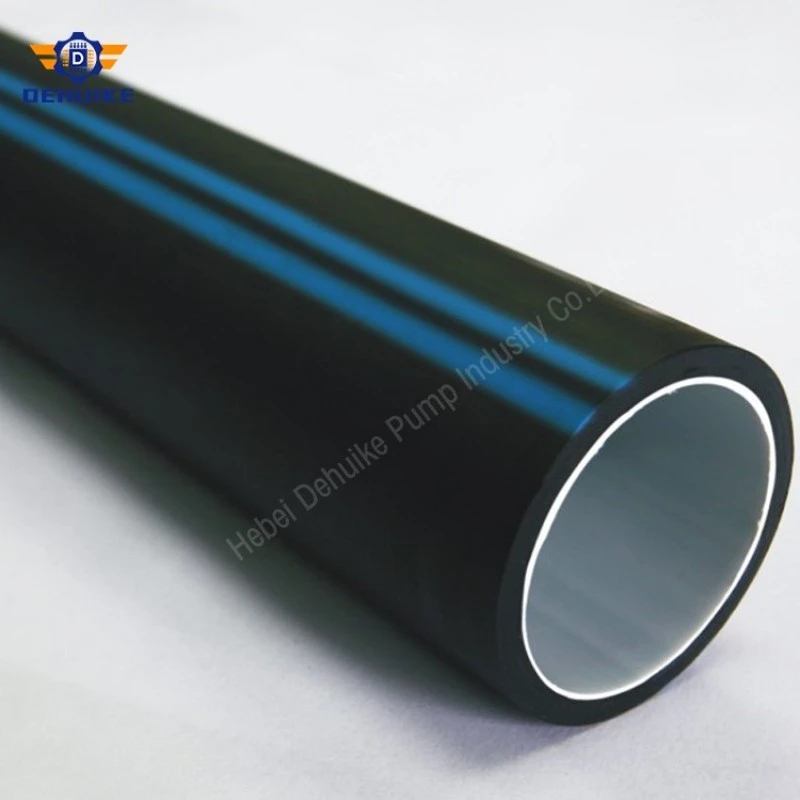
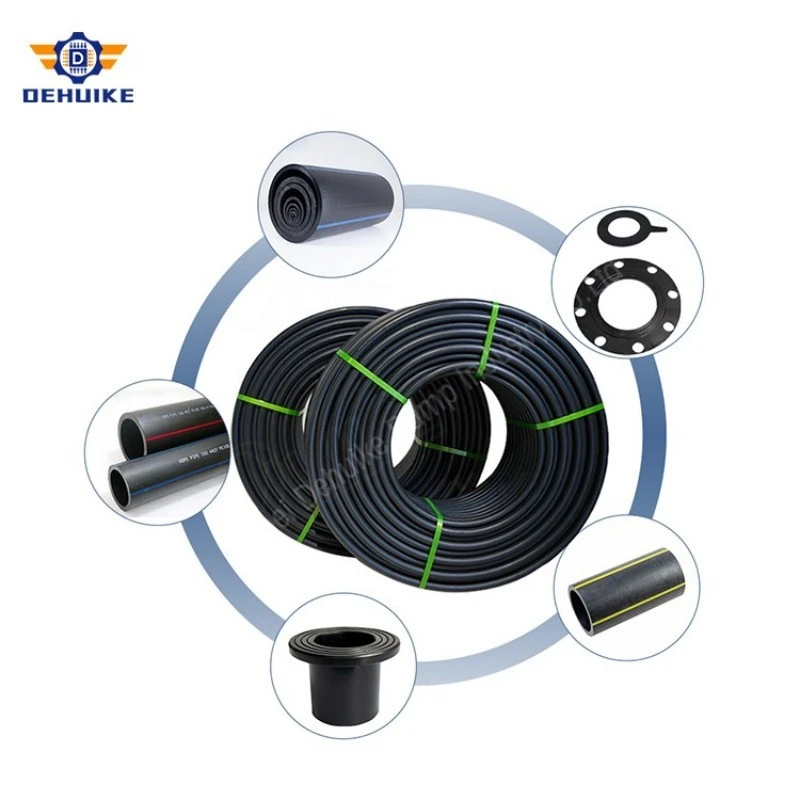
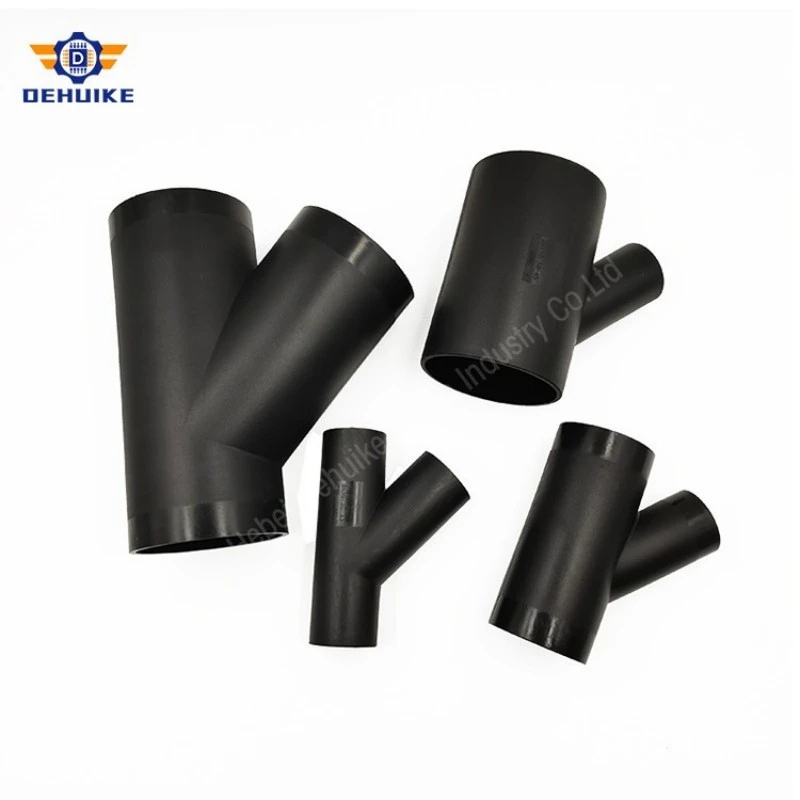
Hebei Dehuike Pump Industry Co., Ltd. is one of the most reliable manufacturers and suppliers of high density pe pipe in China. With abundant experience, we are committed to providing high quality customized pumps with competitive price. Welcome to wholesale bulk high density pe pipe for sale here from our factory. Also, pricelist is available.
Introduction
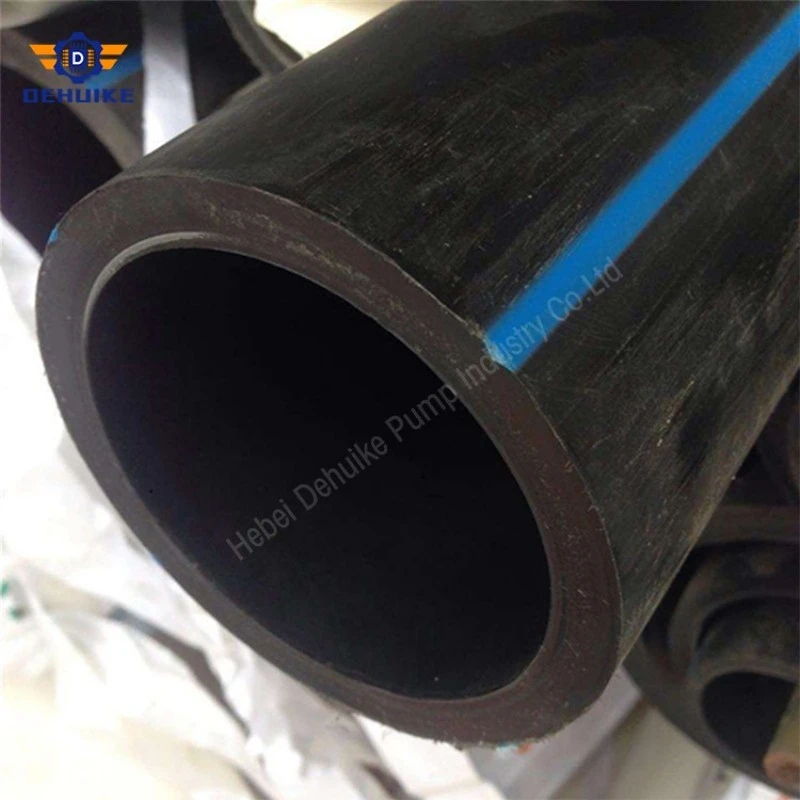
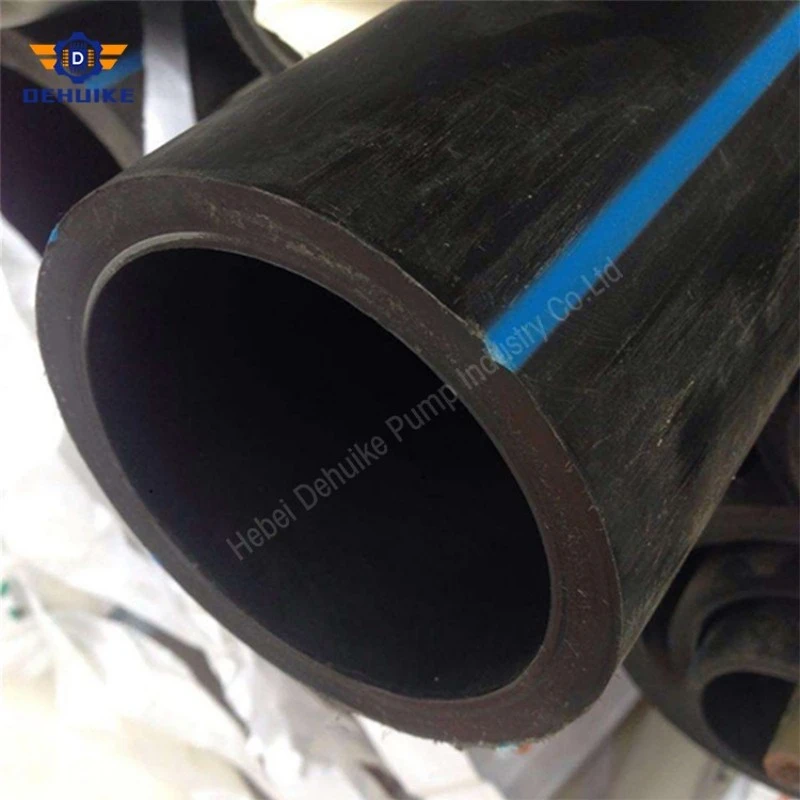
High density PE pipe is a practical piping option for projects that need a configurable balance of wall thickness, handling weight, connection method, and service environment. For industrial water, dewatering, slurry-related transfer, irrigation, utility networks, and selected process applications, the right pipe selection begins with the actual duty rather than a generic material claim. Nominal diameter, SDR, wall thickness, metre mass, joining route, medium, pressure class, and installation conditions must be reviewed as one system.
This product page is designed for contractors, distributors, engineering teams, and project buyers who need a clear starting point for High density PE pipe procurement. It combines the supplied dimensional data with application-focused selection guidance. The figures below are taken from the provided HDPE pipe parameter table. Where the table does not provide a value, this page does not estimate or imply one.
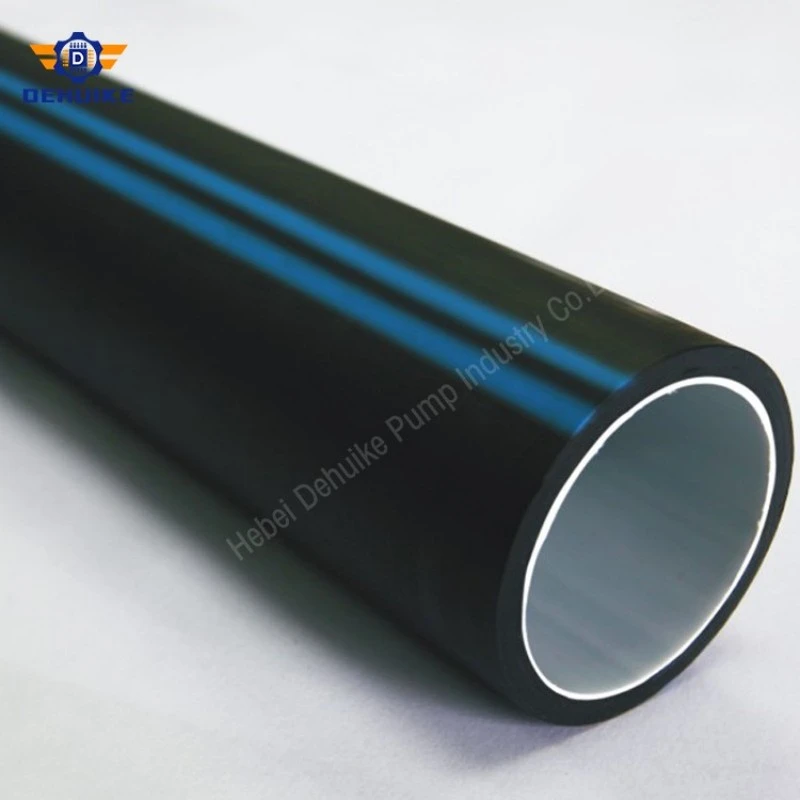
Product Details
High density PE pipe is supplied as a pipeline component whose fit depends on the relationship between nominal outside diameter and SDR option. The supplied table lists selected DN sizes across SDR26, SDR21, SDR17, SDR13.6, and SDR11 options, together with nominal wall thickness and metre mass where shown. These data assist project teams in comparing material quantity, handling considerations, and wall-thickness configuration before the final project standard, pressure class, material grade, and jointing procedure are confirmed.
For applications involving pumps or abrasive media, pipe selection should not be based on diameter alone. Flow velocity, solids loading, pressure variation, pipeline route, support arrangement, and joining quality all influence project suitability. The same principle applies to corrosive or process-fluid service, where the full medium composition and temperature must be reviewed before a final material decision is made.
Specifications / Technical Parameters / Technical Data
Selected models below are transcribed from the user-provided "HDPE pipe" table. "t" means nominal wall thickness in millimetres. "kg/m" means listed metre mass. The source table provides no working-pressure, material-grade, temperature, length, coil/straight-bar, or joining-performance value; those items require confirmation against the approved product or project specification.
Model comparison: DN50 is a compact option in the supplied range, with listed nominal wall thickness from 2.3 mm at SDR26 to 4.6 mm at SDR11. DN75 expands the diameter while retaining the same SDR choices shown in the source. DN110 provides a mid-range diameter comparison. DN180 and DN225 show how listed wall thickness and metre mass rise with larger nominal diameter across the documented SDR options. These figures are for comparative selection only and must not be converted into an assumed pressure rating.
|
DN (mm) |
SDR26 t |
kg/m |
SDR21 t |
kg/m |
SDR17 t |
kg/m |
SDR13.6 t |
kg/m |
SDR11 t |
Data scope |
|
50 |
2.3 |
0.344 |
2.4 |
0.359 |
3.0 |
0.443 |
3.7 |
0.538 |
4.6 |
Nominal wall thickness; metre mass where supplied |
|
75 |
2.9 |
0.657 |
3.6 |
0.807 |
4.5 |
0.996 |
5.6 |
1.220 |
6.8 |
Nominal wall thickness; metre mass where supplied |
|
110 |
4.2 |
1.395 |
5.3 |
1.742 |
6.6 |
2.143 |
8.1 |
2.592 |
10.0 |
Nominal wall thickness; metre mass where supplied |
|
180 |
6.9 |
3.750 |
8.6 |
4.628 |
10.7 |
5.688 |
13.3 |
6.962 |
16.4 |
Nominal wall thickness; metre mass where supplied |
|
225 |
8.6 |
5.844 |
10.8 |
7.264 |
13.4 |
8.903 |
16.6 |
10.863 |
20.5 |
Nominal wall thickness; metre mass where supplied |
Technical Selection Across Ten Procurement Dimensions
|
Description dimension |
Technical focus |
Buyer verification point |
|
Pressure class |
SDR and nominal wall thickness are configuration inputs. |
Confirm the applicable pressure class and system pressure from the approved project specification. |
|
Abrasion resistance |
Suitability depends on the compound, solids loading, velocity, and flow regime. |
Provide slurry concentration, particle characteristics, and duty cycle. |
|
Corrosion resistance |
HDPE is commonly considered where resistance to many aqueous media is required. |
Check the exact medium, temperature, and concentration before final selection. |
|
Weather resistance |
Outdoor use should consider UV exposure, temperature cycling, handling, and support method. |
Confirm the installation environment and intended exposure period. |
|
Pipe structure |
This table identifies DN, SDR, nominal wall thickness, and metre mass data only. |
Confirm material grade, applicable standard, and any project-specific construction requirements. |
|
Connection method |
Butt fusion, electrofusion, mechanical transition, or flange-adaptor systems may be considered. |
Match the joining method to the installed network and site procedure. |
|
Flexibility |
Pipe routing is influenced by diameter, wall thickness, temperature, and installation geometry. |
Plan the route and support arrangement; do not assume a bend limit without approved data. |
|
Service planning |
Actual life is influenced by pressure cycling, medium, installation quality, and external protection. |
Set inspection and replacement planning to the real operating duty. |
|
Applicable media |
Water, slurry-related services, and selected process fluids require separate suitability checks. |
Do not select by medium name alone; verify the complete operating envelope. |
|
Operating conditions |
Buried, above-ground, floating, mobile, and plant-route installations have different needs. |
Confirm load, vibration, movement, joining access, and local installation rules. |
Features / Equipment Characteristics
-Connection adaptability: define butt fusion, electrofusion, mechanical transition, or flange-adaptor requirements before order confirmation.
-Installation-aware planning: consider trench, above-ground, floating, mobile, or plant-routing conditions together with support points and movement.
-Medium-specific review: check water, slurry, chemical, or process-fluid service using the complete operating description rather than a generic label.
-Outdoor exposure review: account for sunlight, dust, rain, ambient temperature change, handling contact, and protection requirements.
-Traceable procurement: align the selected High density PE pipe configuration with the order reference, drawing, quantity schedule, and inspection scope.
Why High Density PE Pipe Supports Project Procurement
The value of High density PE pipe lies in the ability to specify the pipe as part of a defined network, not as an isolated item. When the project team aligns diameter, SDR, joining route, medium, and installation method before production release, quotation comparison becomes clearer and site compatibility is easier to control. This is particularly important when the pipe connects to pumps, transitions to existing pipework, passes through variable terrain, or must be installed under a formal quality plan.
For repeat buyers and distributors, a consistent configuration record also helps control replacement orders. The record should include the intended application, DN, SDR, approved wall thickness, requested length format, connection method, quantity, packing and marking requirements, and any required quality documents. This creates a practical reference for future projects without relying on unverified assumptions.
Our Advantages
Our product-support process is based on specification clarification. We help buyers organize the information needed to evaluate High density PE pipe for their installation: the operating medium, route, connection, site condition, required data, and delivery scope. This engineering-oriented communication helps reduce gaps between a purchasing description and an installable pipeline configuration.
-Application-led inquiry review for industrial, water-transfer, dewatering, slurry-related, agricultural, and utility projects.
-Clear comparison of the source-table variables: DN, SDR, nominal wall thickness, and listed metre mass.
-Order clarification support for joining method, packing, marking, quantity schedule, and technical-document requirements.
-Replacement-order support when buyers can provide existing labels, drawings, dimensions, and installation photos.
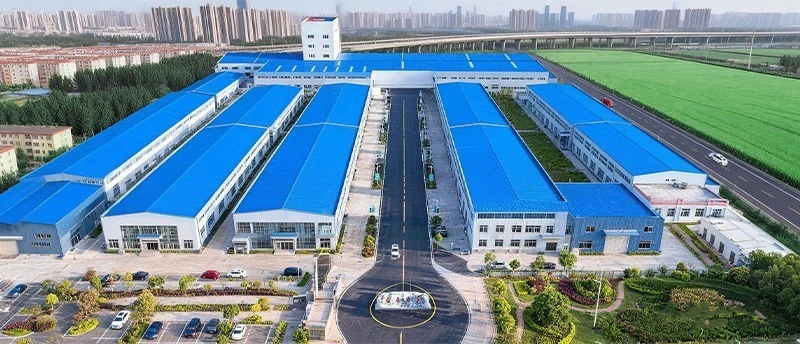
Production Process
For a High density PE pipe project, the buyer should define acceptance requirements in advance. This is especially useful for larger diameters, site-critical joining programs, pump-line connections, and installations where delivery sequencing or traceability is important.
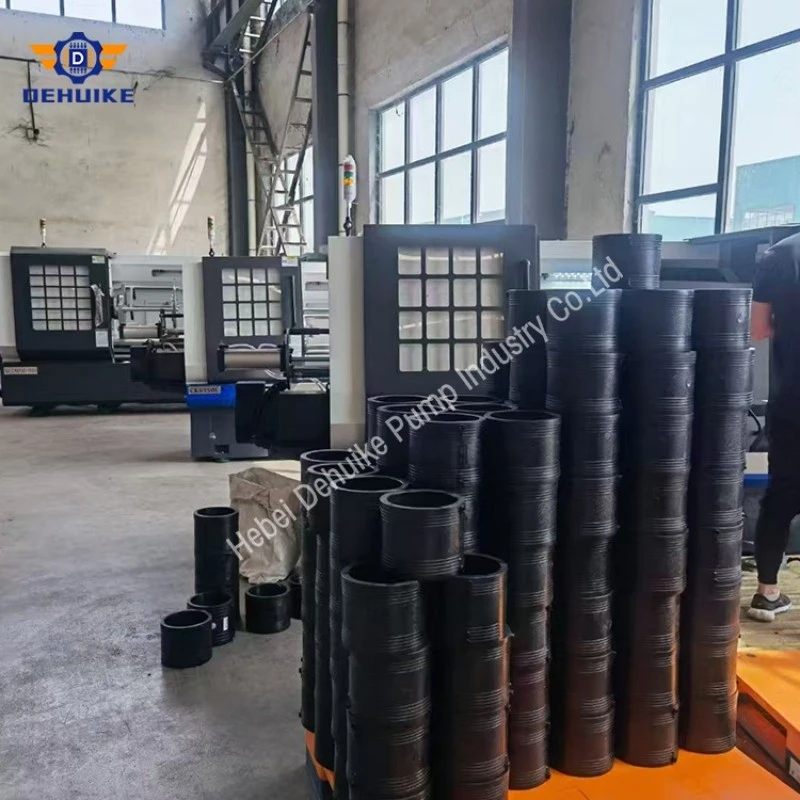
Quality Assurance
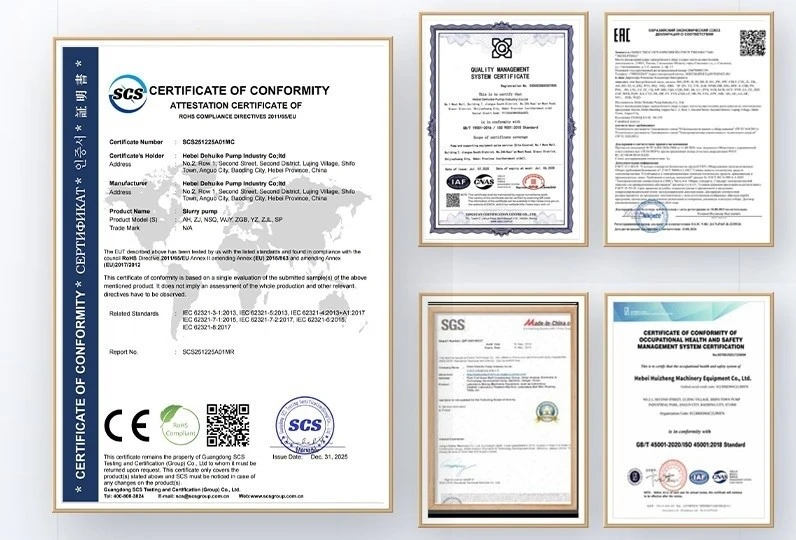
Quality assurance is most useful when it is linked to the confirmed purchase specification. The inspection scope may include identity verification, selected dimensions, visible-condition checks, marking review, quantity confirmation, packaging review, and agreed documentation. The source table supports verification of the listed DN, SDR-associated nominal wall thickness, and metre mass values shown above. Any additional certificate, test, standard, or project-control requirement must be agreed before shipment.
Buyers should retain the approved specification, drawings, order reference, marking information where supplied, and site-installation record. This provides a traceable basis for inspection, maintenance, and repeat procurement.
Application
For slurry or abrasive transfer, the pipeline should be evaluated as a complete operating system. Abrasion risk is influenced by particle characteristics, solids concentration, velocity, pipe geometry, and duty cycle. For chemicals or process media, compatibility requires the exact service description. No universal corrosion, abrasion, or service-life claim should replace this technical review.
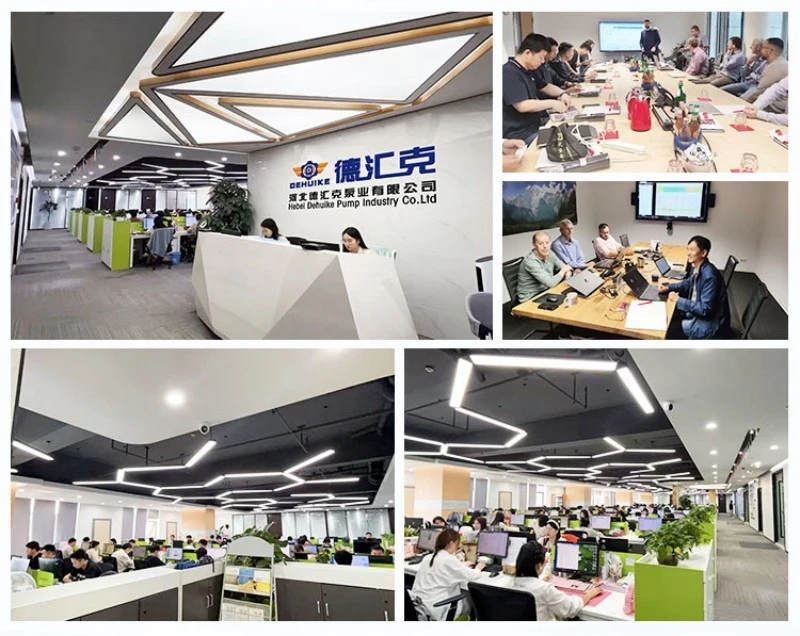
Our Service
-Pre-order technical checklist and source-data comparison.
-Configuration clarification prior to production release.
-Packing, marking, shipping-document, and delivery-sequence coordination within the confirmed scope.
-Post-delivery communication for document questions, installation feedback, and repeat-order identification.
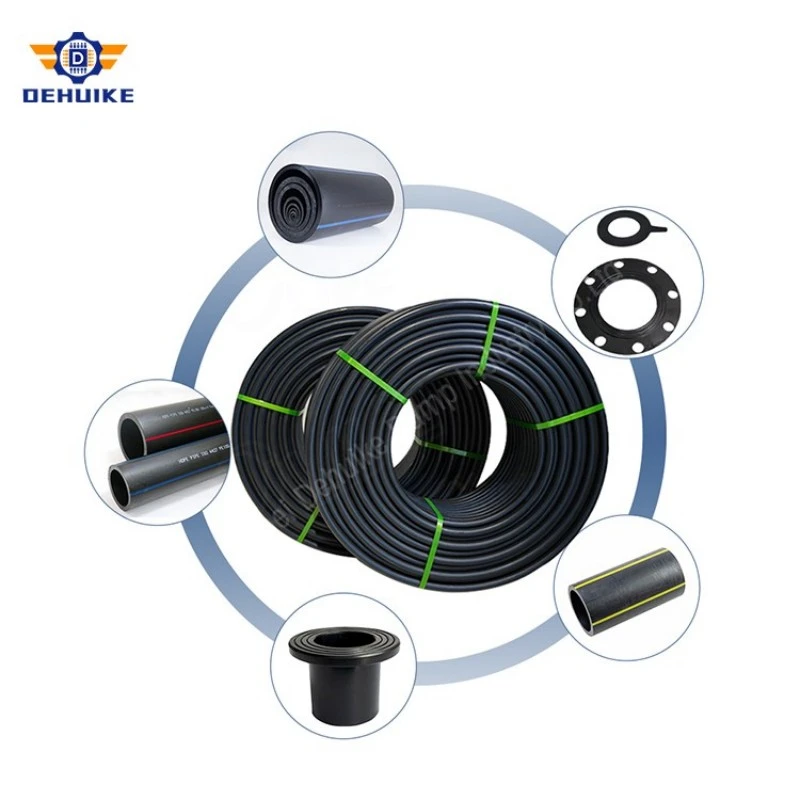
Experience and Markets
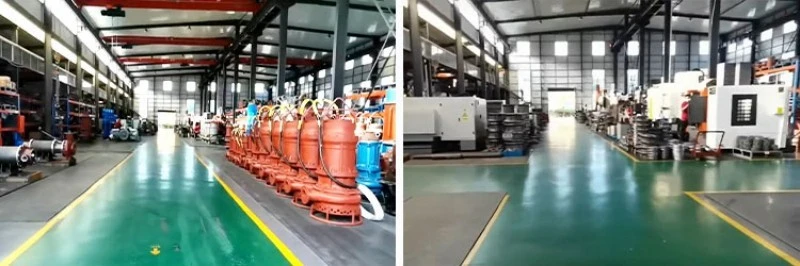
Pipeline projects vary by site practice, installation environment, receiver requirements, and logistics plan. We use a documentation-first communication method so that engineering buyers, contractors, and distributors can align the requested High density PE pipe configuration with their local standards and project procedures. Export packing, marking, document requirements, and shipment coordination should be confirmed during order review rather than assumed.
Installation and Maintenance Considerations
Before installation, verify that the received pipe matches the approved DN, SDR, wall-thickness configuration, joining plan, and application scope. Confirm compatible fittings, transition components, fusion equipment or mechanical joining components, supports, and the site procedure. Protect the pipe from sharp edges, avoid uncontrolled external loading, and follow the approved installation method. Do not infer a bend radius, pressure limit, or jointing performance from the table alone.
During service, inspect the pipeline for external damage, movement, unsupported spans, leakage at joints or transitions, and changes in operating conditions. Maintenance intervals should reflect the project duty, access conditions, and operating history rather than a generalized lifetime statement.
FAQ
Q: How do I select the right High density PE pipe configuration?
A: Start with the application, medium, required DN, SDR, project pressure class, temperature, route, installation method, connection type, and local standard. Use the supplied table for its listed DN, nominal wall thickness, and metre mass data, then confirm all remaining requirements in the approved specification.
Q: What do DN and SDR mean in the supplied table?
A: DN identifies the nominal outside diameter shown in millimetres. SDR identifies the wall-thickness series used in the source table. The table provides associated nominal wall thickness and metre mass where listed.
Q: Can I use the listed SDR data to assume a pressure rating?
A: No. The supplied table does not state working-pressure values. Confirm the applicable pressure class from the approved product data or project specification before ordering.
Q: Can this pipe be considered for slurry service?
A: Slurry service requires a dedicated application review. Provide solids concentration, particle characteristics, velocity, temperature, pressure duty, route, and operating hours so the system can be assessed correctly.
Q: Which joining method should I specify?
A: The joining method must match the site network, diameter, project standard, installation access, and transition requirements. State whether butt fusion, electrofusion, mechanical transition, flange-adaptor, or another approved method is required.
Q: What information is needed for a quotation?
A: Provide the application, medium, DN, SDR, required length format, quantity, joining scope, pressure and temperature conditions, destination, packing needs, and document requirements.

Request a Technical Review
Send your project data and required configuration to request a quotation for High density PE pipe. A complete inquiry helps align the pipe selection with the documented dimensions, intended service, joining method, installation route, and delivery plan.
Hot Tags: high density pe pipe, China high density pe pipe manufacturers, suppliers, factory