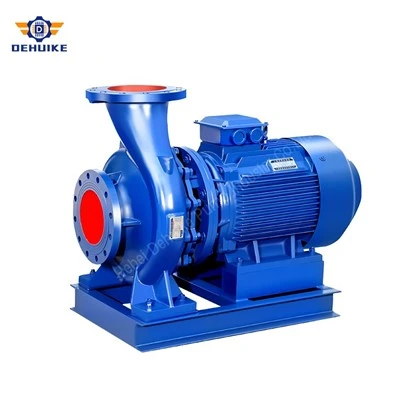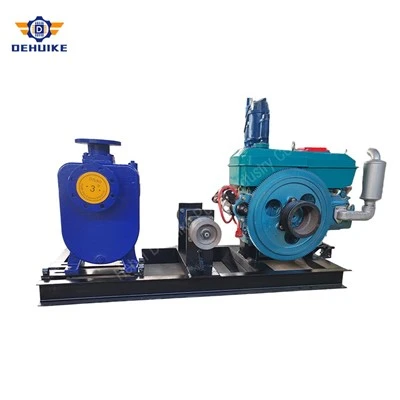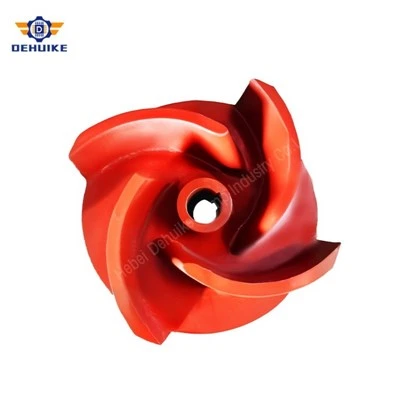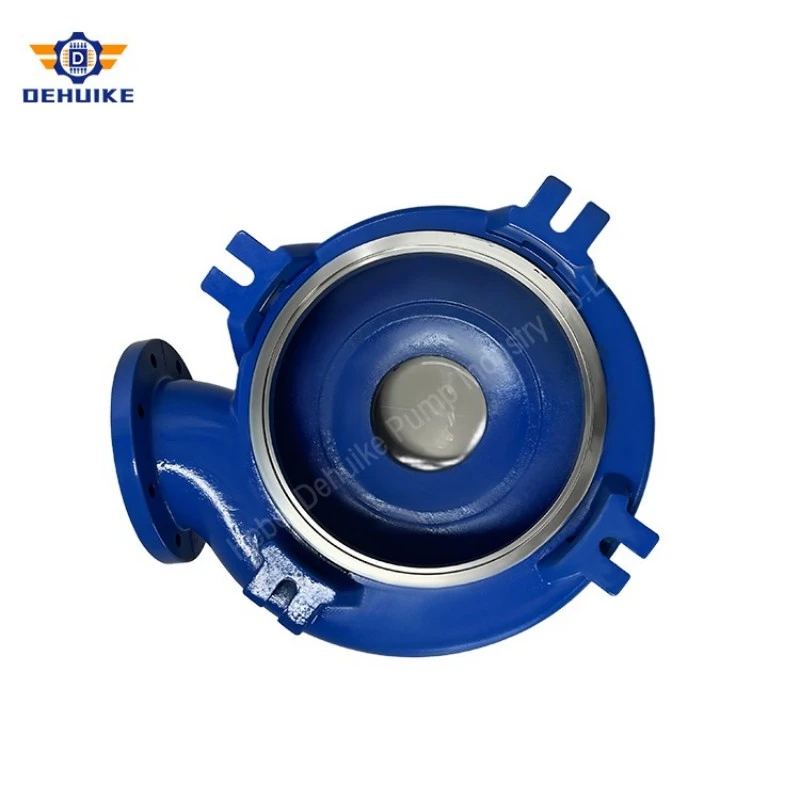
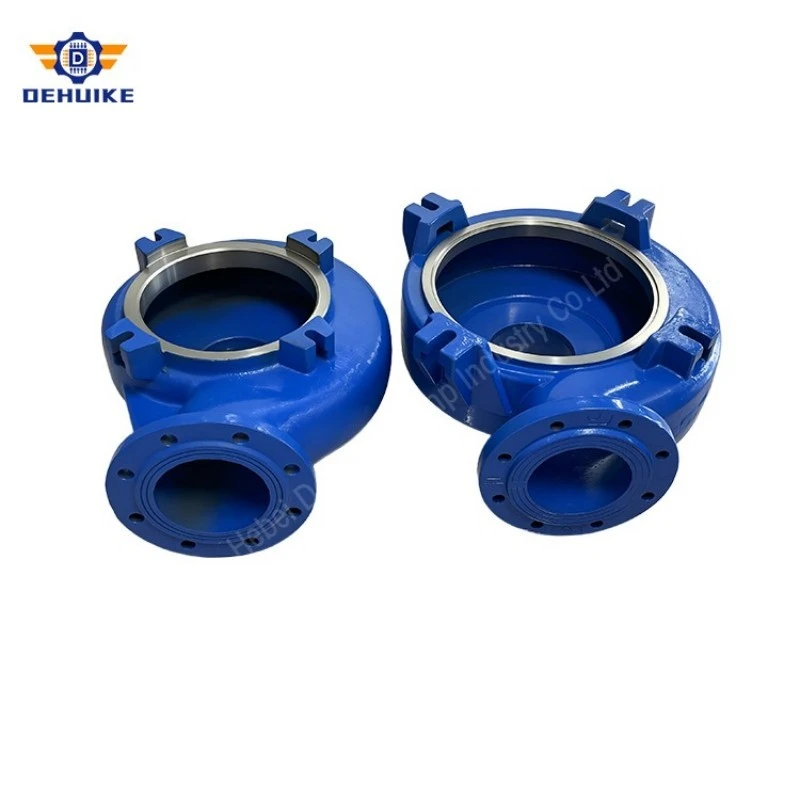
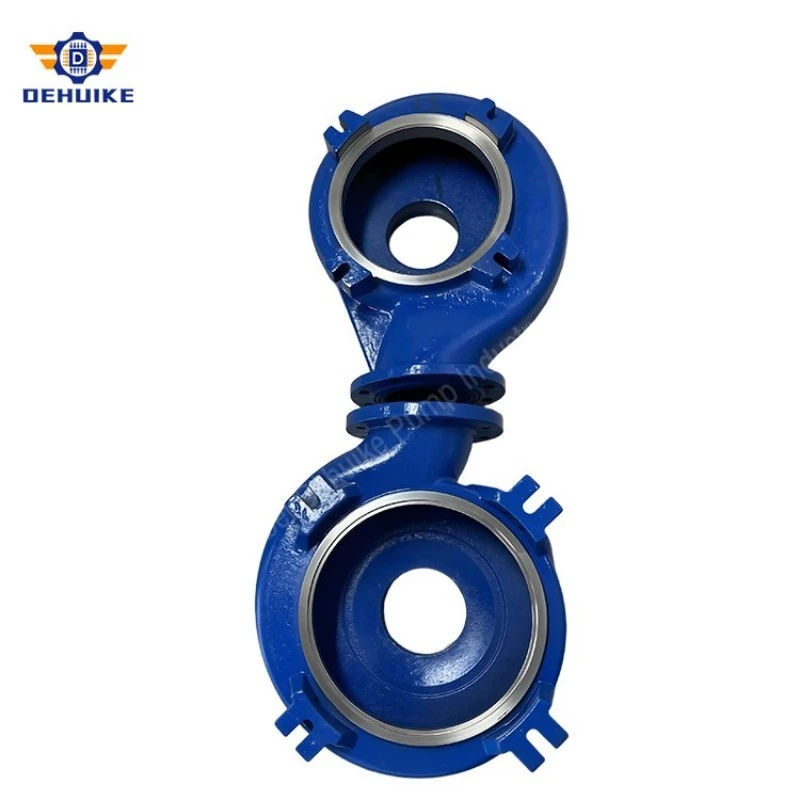
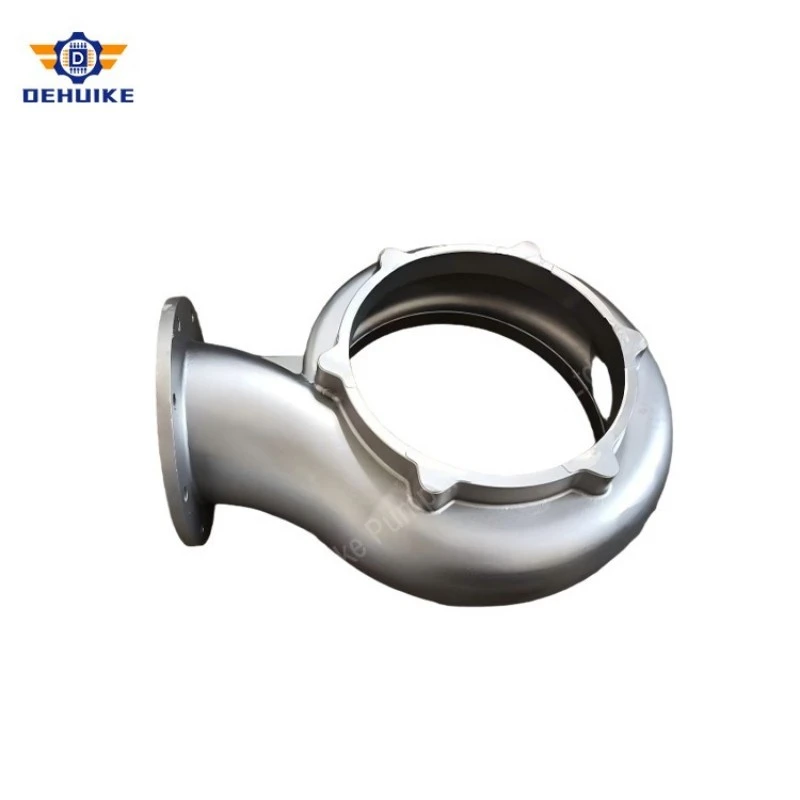
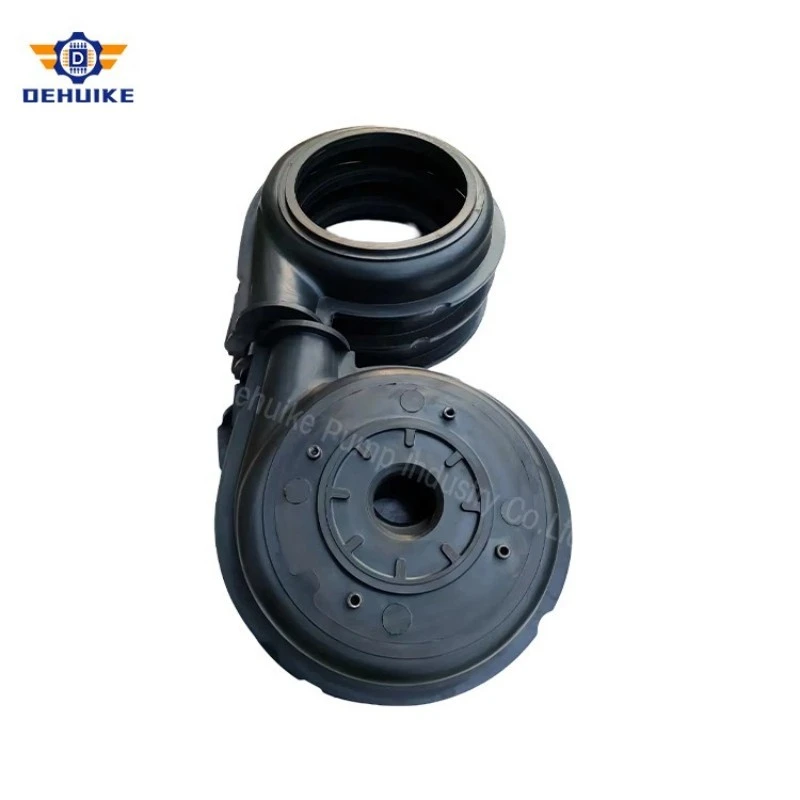
Hebei Dehuike Pump Industry Co., Ltd. is one of the most reliable manufacturers and suppliers of split type pump casing in China. With abundant experience, we are committed to providing high quality customized pumps with competitive price. Welcome to wholesale bulk split type pump casing for sale here from our factory. Also, pricelist is available.
Introduction
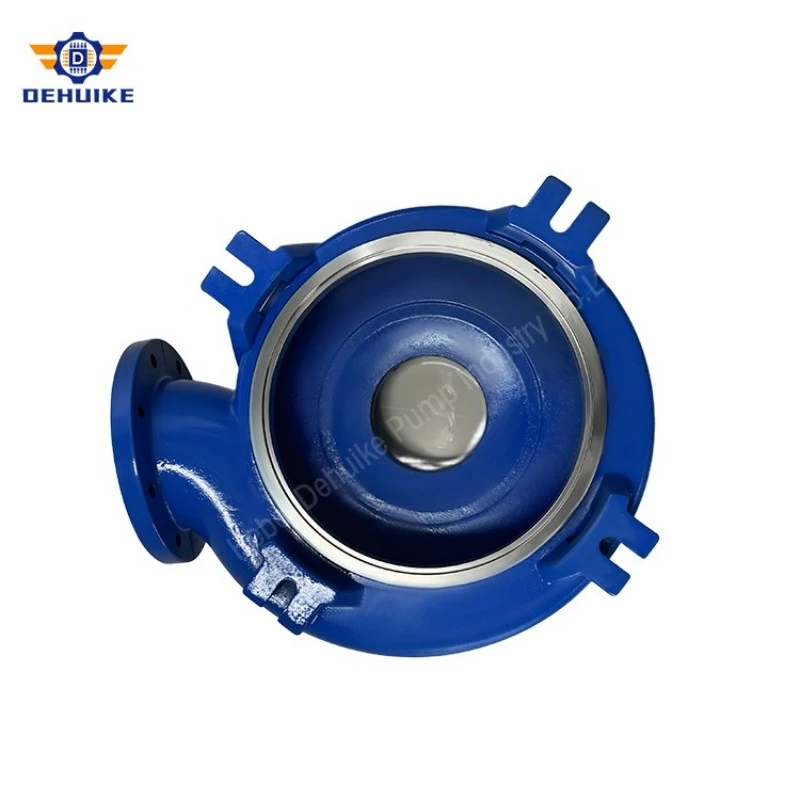
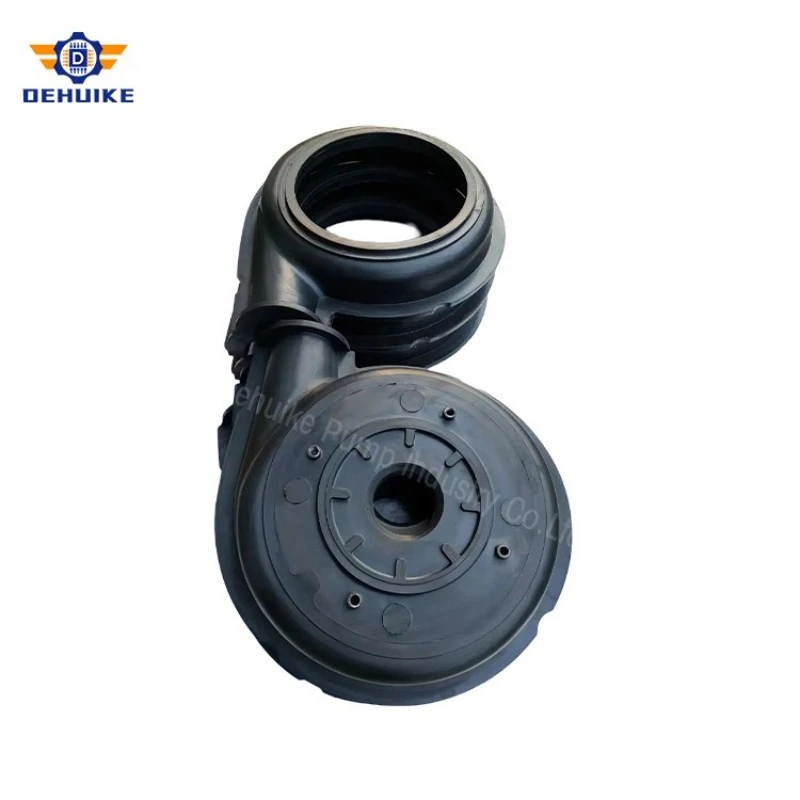
A Split type pump casing is a structural wet-end component that contains the flow passage, supports the hydraulic arrangement, and provides the interfaces required to assemble and service the pump. In slurry, mining, aggregate, dewatering, process, and industrial water applications, the casing must be selected as part of the complete pump system. A correct purchase decision depends on verified component identity, approved geometry, material requirement, sealing arrangement, operating medium, duty conditions, and the status of adjacent parts.
This product page is intended for engineering buyers, maintenance teams, repair workshops, distributors, and project contractors. No parameter table was provided with this request. For that reason, this page does not invent model numbers, dimensions, weights, material grades, pressure values, flange details, or performance figures. Each missing technical item is marked as Data to be confirmed and must be finalized only from an approved drawing, pump manual, existing-part identification, or manufacturer-issued technical document.
Product Details
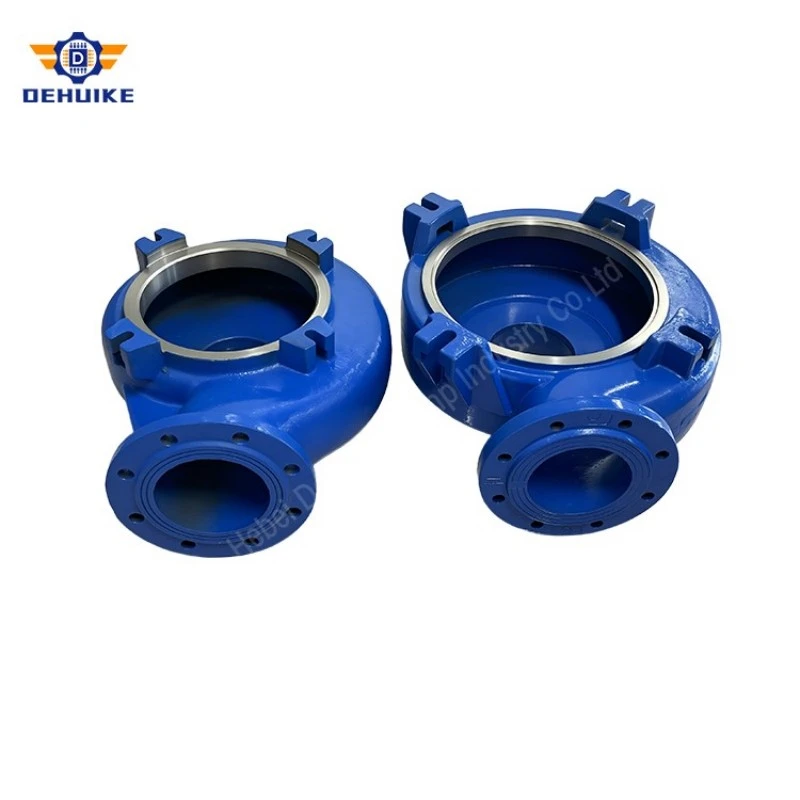
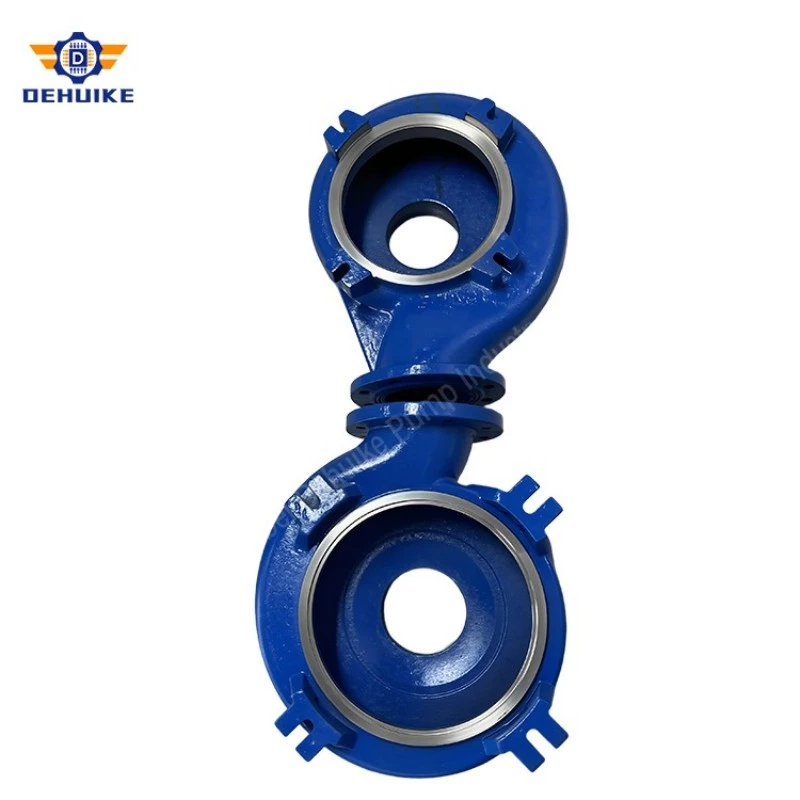
A Split type pump casing typically supports inspection and maintenance access through its split construction, but the actual split arrangement, casing geometry, fastening design, and relationship to liners, cover plates, seals, and mounting components are configuration-specific. A casing that appears similar may still differ in suction or discharge orientation, bolt layout, joint faces, flow passage, seal interface, or compatibility with the installed pump. Visual comparison is useful only as preliminary evidence and should not replace controlled identification.
For replacement work, the strongest procurement starting point is an approved pump model and casing reference, a drawing revision, visible component marking, or a clear record of verified interfaces. This helps the buyer match the casing to the existing wet end and avoid unplanned field modification.

Specifications / Technical Parameters / Technical Data
A model-by-model parameter presentation cannot be created because no user-provided parameter table is available. The following structured technical cards replace the requested model comparison. They identify the information required for a quotation or production release and clearly separate confirmed requirements from Data to be confirmed.
|
Structured technical card |
Required verified content |
Current status without parameter table |
|
Model identity card |
Pump model, casing part number, drawing revision, and assembly position |
Data to be confirmed |
|
Material card |
Approved casing material, heat-treatment requirement, material document, and corrosion-service requirement |
Data to be confirmed |
|
Hydraulic geometry card |
Suction and discharge interfaces, volute geometry, nozzle orientation, and liner or cover relationship |
Data to be confirmed |
|
Mechanical interface card |
Split joint, bolt pattern, sealing faces, shaft and seal relationship, mounting interfaces |
Data to be confirmed |
|
Operating-duty card |
Medium, solids characteristics, flow, head, pressure, temperature, speed, and duty cycle |
Data to be confirmed |
|
Wear and corrosion card |
Wear locations, slurry chemistry, solids hardness, external environment, and service history |
Data to be confirmed |
|
Manufacturing control card |
Casting route, machining points, tolerance requirements, marking, and inspection scope |
Data to be confirmed |
|
Supply and service card |
Bare casing or assembly scope, quantity, packing, spare plan, documents, and delivery requirements |
Data to be confirmed |
Structured Procurement Comparison Module
The following five procurement scenarios replace a four-to-five-model comparison without assigning unverified values to product models. When a verified parameter table becomes available, this section can be updated with source-approved model cards only.
|
Procurement scenario |
Starting evidence |
Comparison method without model values |
|
Standard replacement |
Existing casing and identification are available |
Confirm the approved part reference, mating interfaces, material requirement, and condition of related wet-end components. |
|
Abrasive slurry service |
Wear is concentrated around the flow path or joint area |
Use slurry data, wear observations, and duty history to define the suitable casing configuration. |
|
Corrosive process duty |
Chemical exposure may influence casing and sealing choices |
Confirm the complete medium chemistry, temperature, concentration, and exposure duration. |
|
Pump upgrade or modified duty |
Flow, head, speed, medium, or system arrangement has changed |
Review casing geometry and complete pump compatibility against approved engineering documents. |
|
Project spare planning |
Buyer needs controlled inventory for maintenance shutdowns |
Define exact component identity, document package, packing, marking, and repeat-order traceability. |
Features / Equipment Characteristics
-Wear-service evaluation: review the fluid path, slurry characteristics, solids hardness, impact zones, and recorded wear pattern before defining a replacement scope.
-Corrosion-service review: confirm the complete fluid chemistry and external atmosphere because a general media label does not establish compatibility.
-Structural material control: specify the approved material requirement and material-document expectation rather than assuming a grade from appearance or application name.
-Mechanical compatibility: verify split-joint faces, fastening arrangement, seal-related interfaces, nozzle connections, and adjacent wet-end components.
-Manufacturing precision: state drawing revision, machining requirements, tolerances, inspection points, and marking requirements where applicable.
-Maintenance convenience: organize casing identification, installation records, service observations, and spare-part references for repeat orders.
-Pump matching: select the Split type pump casing within the full pump assembly and system duty, not as a standalone shell.
Why a Split Type Pump Casing Requires Application-Led Selection
The procurement value of a Split type pump casing comes from correct system matching. The casing has to work with the impeller, liners or wear parts where present, sealing arrangement, shaft assembly, suction and discharge pipework, and the actual medium. Abrasive particles, changing solids concentration, chemical exposure, pressure changes, vibration, and altered duty can all affect the condition and suitability of the complete wet end.
A disciplined technical review also supports maintenance planning. Service teams can record leakage locations, wear patterns, joint condition, operating changes, and replaced-component references. These records help distinguish normal service wear from a condition linked to changed process duty, installation misalignment, or the need to inspect other pump components.
Our Advantages
Our approach is based on evidence-led communication for pump spare parts. We organize each inquiry around the documents and operating information needed to identify the component correctly. This allows purchasing, maintenance, engineering, and logistics teams to align on the same casing definition before the order moves into production or delivery preparation.
-Documentation-first matching using pump model, casing reference, drawing, existing marking, photographs, and verified interfaces.
-Application review covering medium, wear and corrosion exposure, operating duty, installation conditions, and service history.
-Clear identification of confirmed requirements, optional requirements, and items marked Data to be confirmed.
-Support for project spares, replacement planning, packing requirements, quality documents, and repeat-order traceability.
Production Process
For a Split type pump casing intended for a critical maintenance program, acceptance criteria should be set before work starts. This enables the buyer to define documentation, identification, inspection records, and transit protection suited to the project.
Quality Assurance
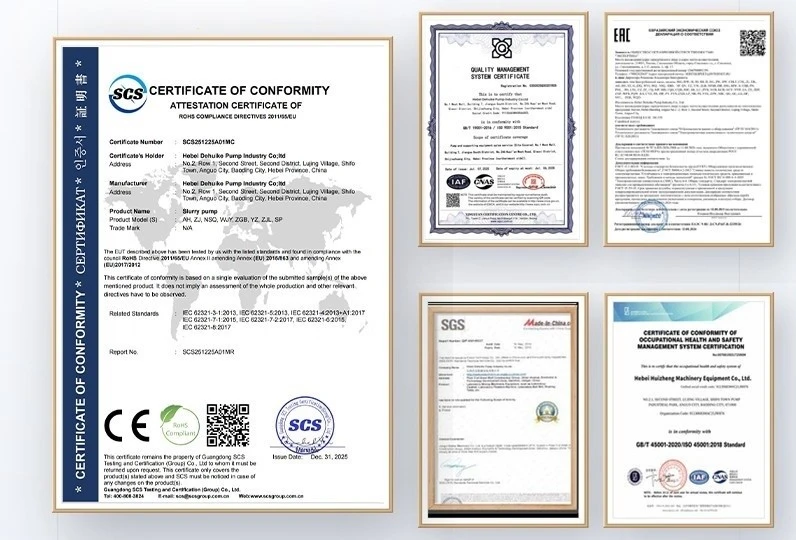
Quality assurance must follow the confirmed order specification. Depending on the agreed scope, it may include identity verification, drawing-revision control, agreed dimensional checks, visual-condition inspection, material-document review where specified, joint-face and interface checks, marking review, packing review, and quantity confirmation. No universal inspection scope should be assumed because casing configurations and site requirements differ.
Retain the approved drawing or part reference, purchase order, agreed marking information, inspection documents where required, installation record, and maintenance observations. This provides a useful traceability chain for future replacement decisions and service reviews.
Application
The casing should always be reviewed as part of the full wet end. The condition of the impeller, liners or wear components where present, seals, fasteners, shaft arrangement, pipework loading, and support structure can influence service behavior. When abnormal leakage, vibration, or accelerated wear is reported, inspect the system rather than replacing a single component on assumption.
Our Service
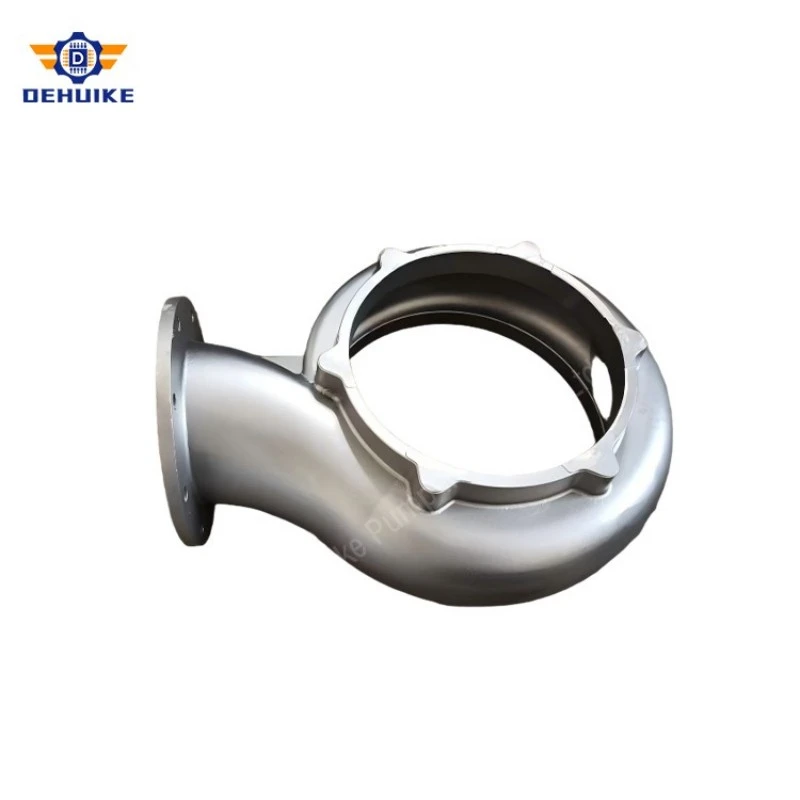
We support technical inquiry, order clarification, delivery preparation, and repeat-order identification. To request a configuration-focused quotation for a Split type pump casing, provide the pump model, casing part reference or drawing, application, medium, service conditions, photographs of the existing casing, required quantity, destination, and any quality or documentation requirement. For replacement projects, share maintenance records and observations from the removed component when available.
-Pre-order component-identification checklist.
-Technical clarification before production release, including buyer-stated material and interface requirements.
-Packing, marking, shipping-document, and delivery coordination within the approved order scope.
-Post-delivery communication for documents, installation feedback, maintenance observations, and repeat-order traceability.
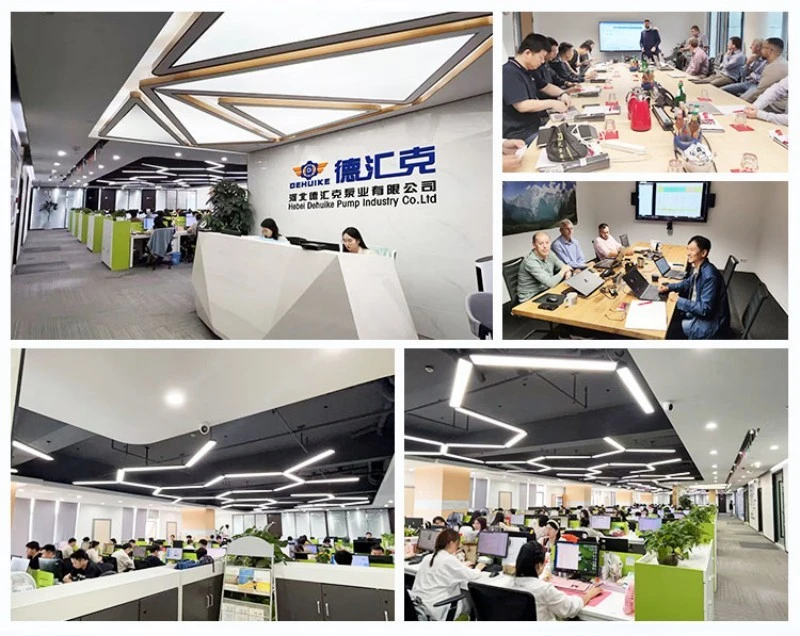
Experience and Markets
Maintenance and Replacement Planning
Before installation, confirm that the casing matches the approved component reference, drawing revision, joint arrangement, interfaces, and application scope. Inspect associated wet-end and fastening components for damage, wear, contamination, or mismatch. During operation, record leakage, abnormal vibration, noise, loss of duty, or process changes together with the condition of the casing joint and flow path. These observations support a more reliable repair decision.
Do not base a replacement decision solely on external appearance. Critical geometry, internal flow passages, joint faces, nozzle orientation, machining details, and material requirement may not be established by a photograph. Use controlled evidence and approved source documents for final matching.
FAQ
Q: How do I identify the correct Split type pump casing?
A: Use the approved pump model, casing part reference, drawing, existing casing marking, or verified interface information. Photographs can support preliminary identification but should be followed by document-based confirmation.
Q: Why are no model dimensions or material grades listed on this page?
A: No parameter table was provided. To prevent an incorrect purchase decision, all model-specific values are marked Data to be confirmed until they are supported by an approved source document.
Q: Can the casing be selected for abrasive slurry service?
A: Abrasive-duty suitability must be reviewed against the actual medium, solids characteristics, duty, wear history, and confirmed casing configuration. No universal wear-life claim should replace this review.
Q: What information is needed for a replacement quotation?
A: Provide the pump model, casing reference, drawing or existing marking, application, medium, service condition, photos, required quantity, and documentation requirements.
Q: What inspection evidence can be requested?
A: State the required inspection and documents in the inquiry. The agreed scope should be aligned to the approved component specification and buyer requirements.
Q: How can I plan project spares?
A: Use approved component references, system criticality, maintenance history, shutdown plan, and document requirements to create a controlled spare-parts list.

Request a Technical Review
Send your pump reference, casing evidence, operating conditions, and purchasing requirements to request a configuration-focused quotation for a Split type pump casing. A complete inquiry supports correct matching, a defined quality scope, protected delivery, and more reliable replacement planning.
Hot Tags: split type pump casing, China split type pump casing manufacturers, suppliers, factory