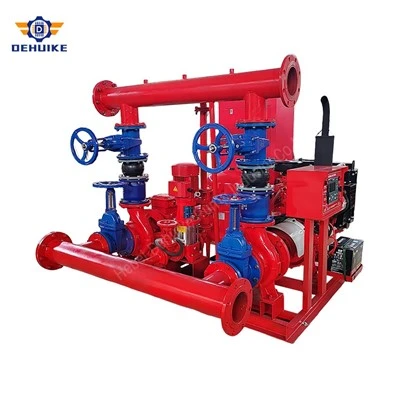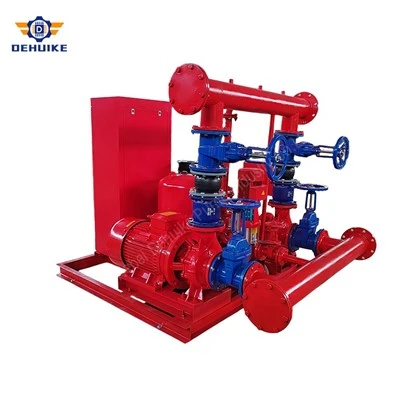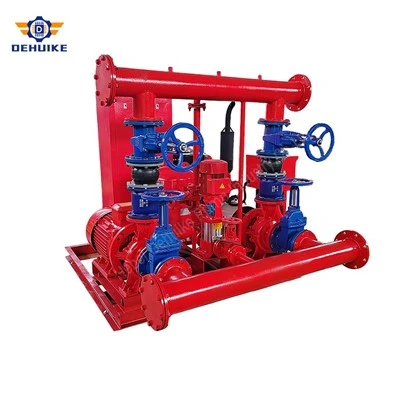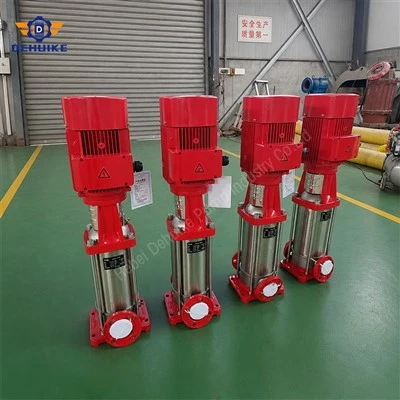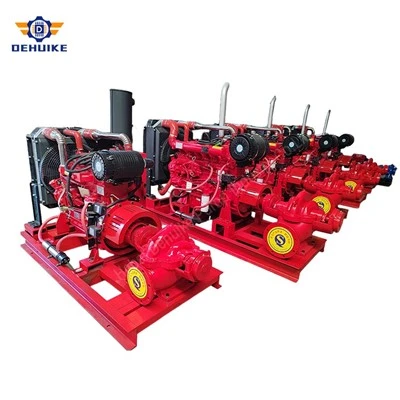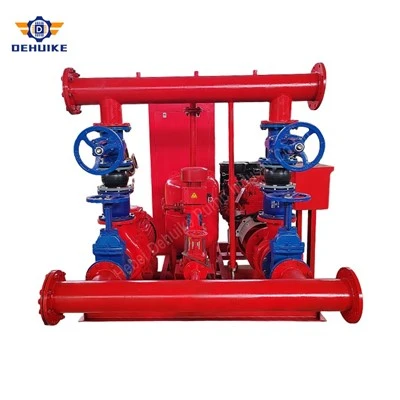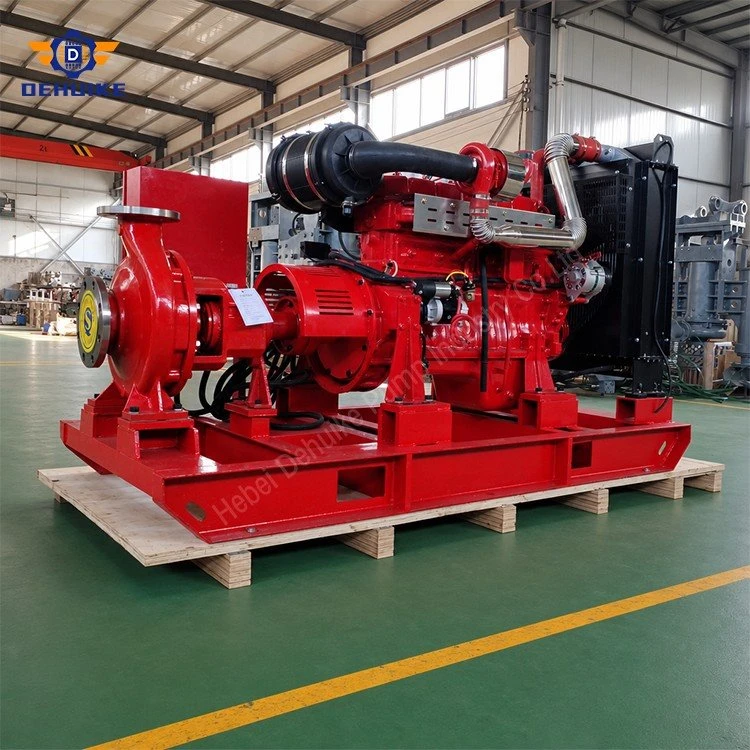
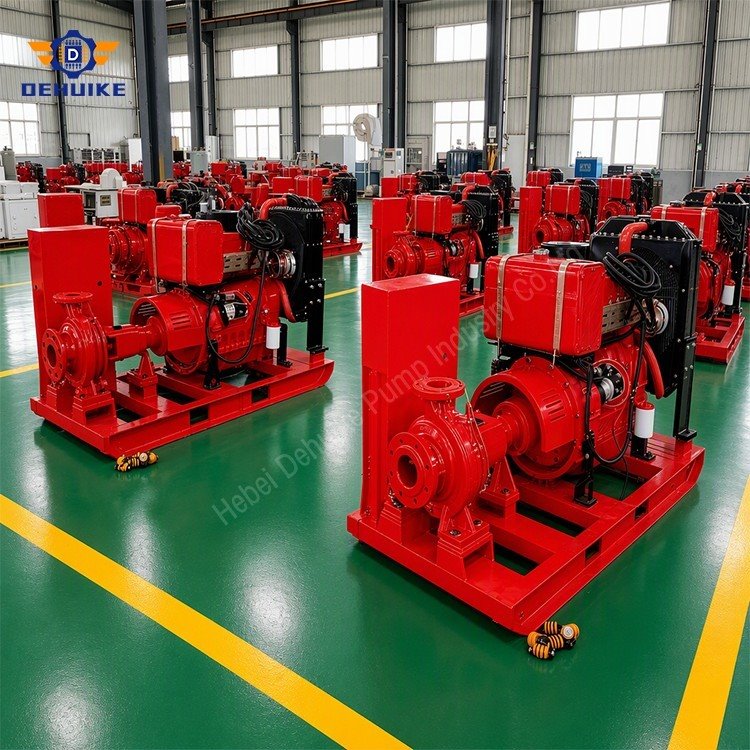
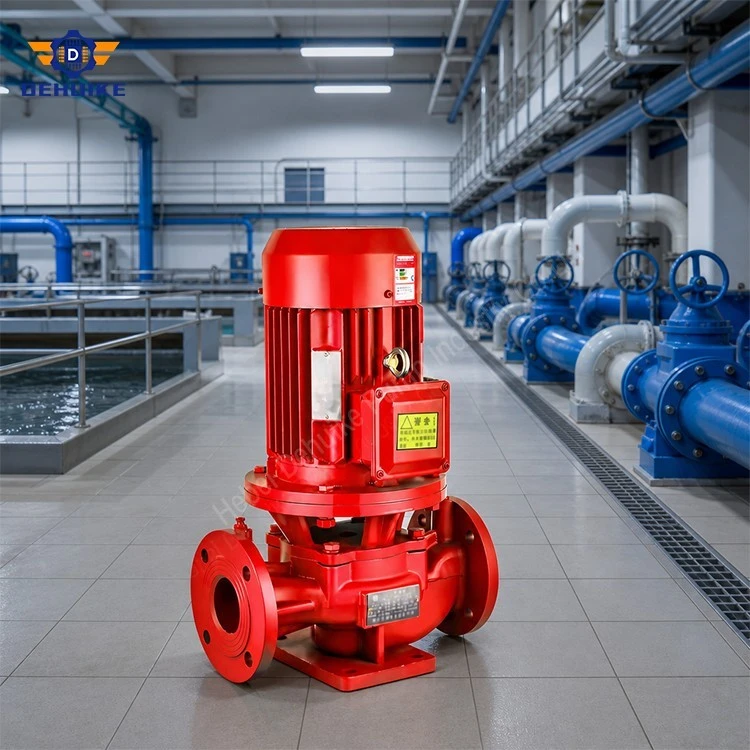
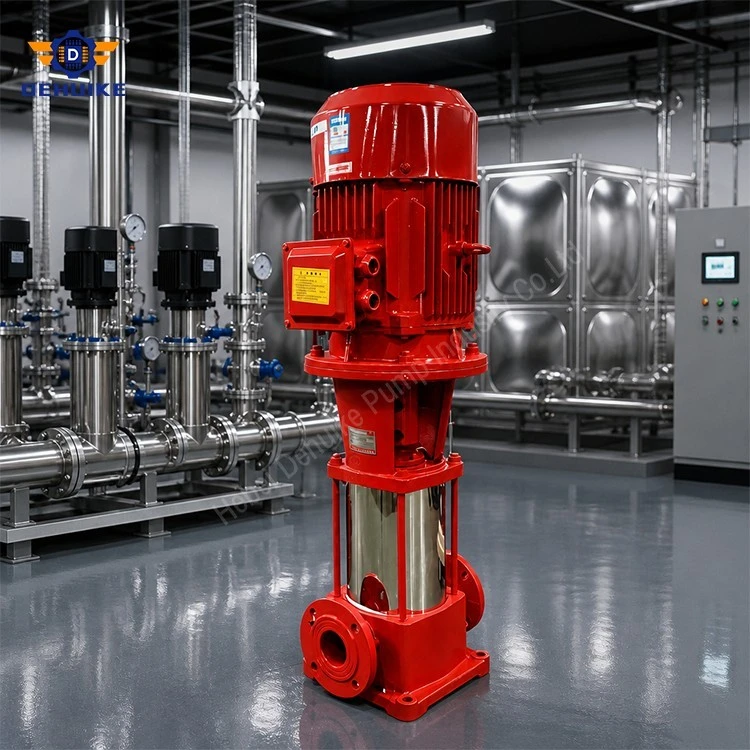
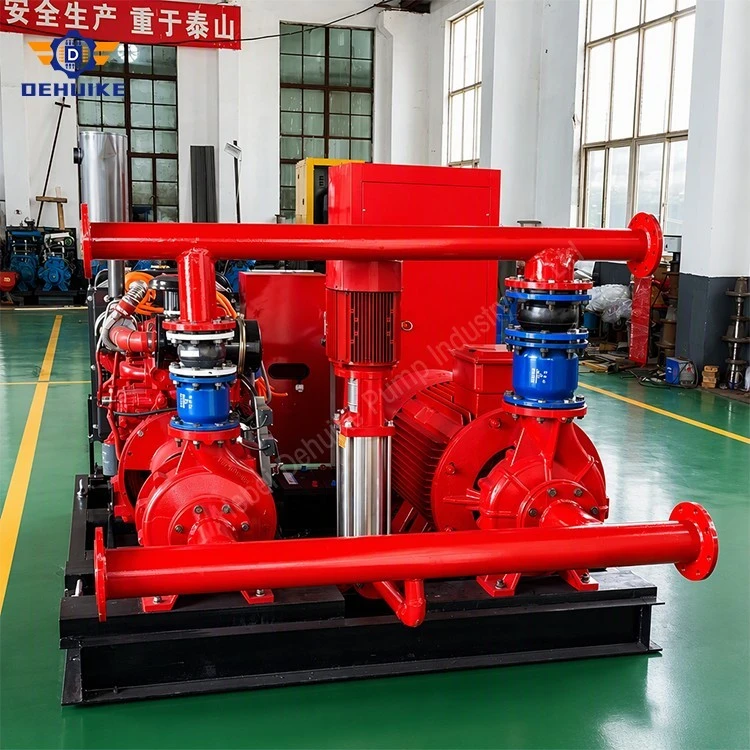
Hebei Dehuike Pump Industry Co., Ltd. is one of the most reliable manufacturers and suppliers of automatic fire pump set in China. With abundant experience, we are committed to providing high quality customized pumps with competitive price. Welcome to wholesale bulk automatic fire pump set for sale here from our factory. Also, pricelist is available.
Purpose in a Building Fire Water System
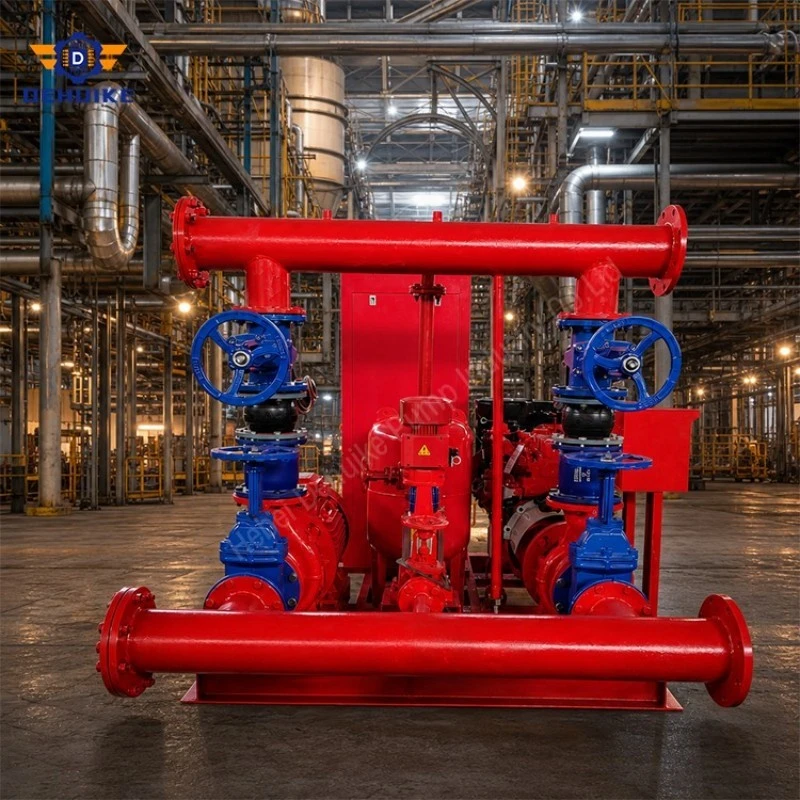
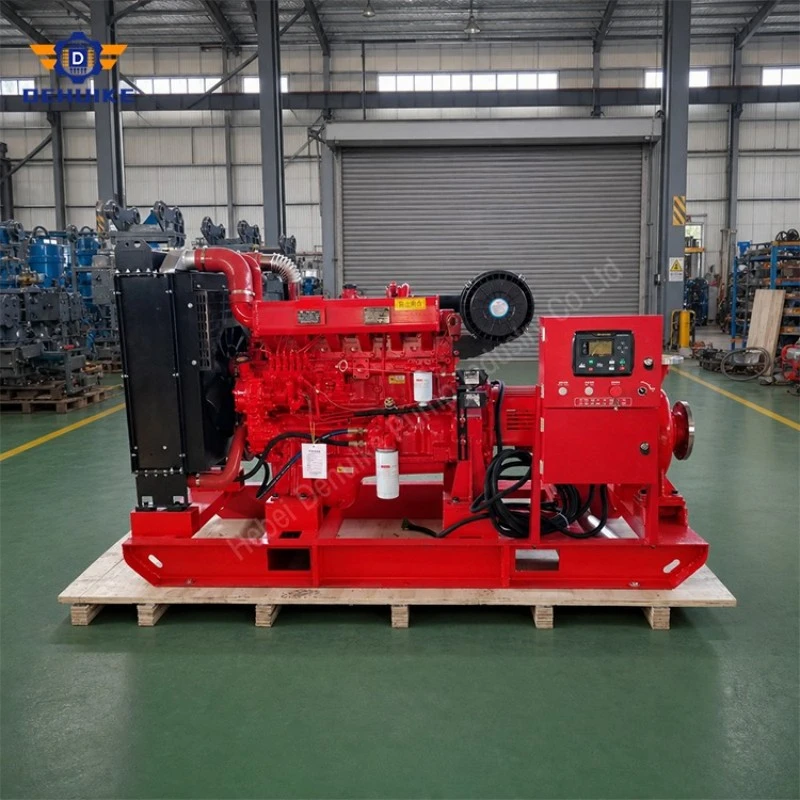
An Automatic Fire Pump Set is used when a building or industrial site needs a pump package that can respond to a fire-water demand without waiting for manual start-up. The set normally works with a fire water tank, suction header, discharge header, pressure-sensing control, main pump, standby arrangement where specified, jockey pump where required, valves, instrumentation, and a control cabinet. Its job is to keep the fire protection network ready so that hydrants, sprinklers, hose reels, or other approved fire-fighting points can receive water at the required pressure and flow when the system calls for it.
The word automatic should be understood carefully. It does not mean that the equipment replaces project design, local fire approval, or site commissioning. It means the pump package can be configured to start according to a confirmed control signal, most commonly a pressure drop in the fire water network. The actual pump type, quantity, driver, controller logic, pressure setting, pipe arrangement, and testing method must be confirmed for the project.
For buyers, the most important point is coordination. A fire pump package cannot be judged only by motor power or pump size. The fire-water demand, water source, suction condition, discharge pressure, pipe network, power reliability, control philosophy, and local code requirements must be reviewed together. A well-defined request helps the supplier prepare a configuration that is easier to quote, install, test, and maintain.
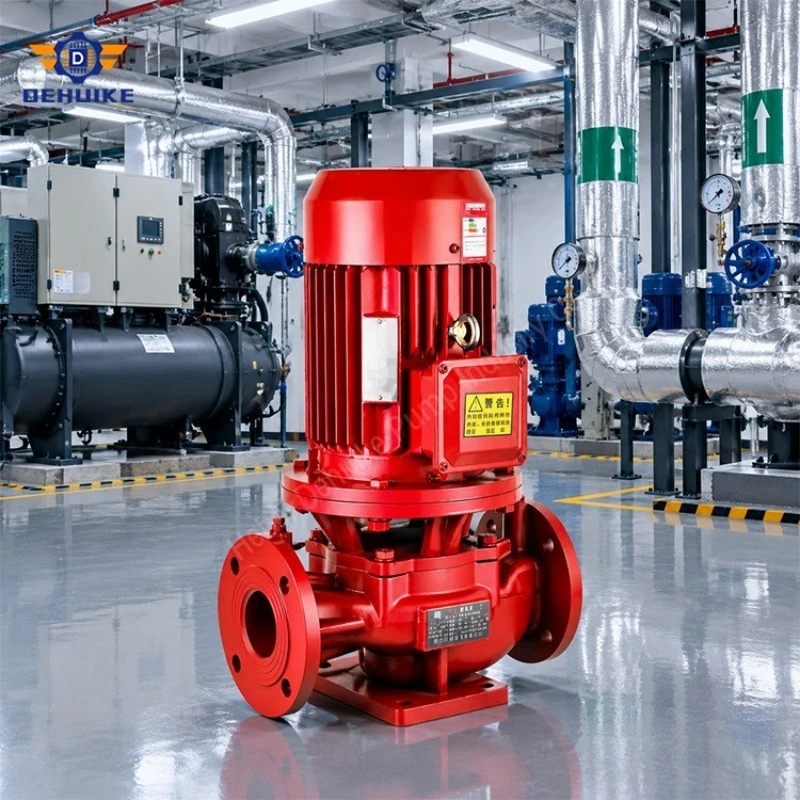
What Makes the Set Automatic
The automatic function is built around sensing, control, and starting sequence. In a typical system, the control cabinet monitors pressure or another approved signal from the fire-water network. When pressure falls below the set value, the controller starts the fire pump according to the designed logic. A jockey pump may handle small pressure losses so the main pump does not start unnecessarily for minor leakage or normal pressure variation.
Automatic control should be documented before production. The buyer should confirm how the start signal is taken, whether stop is manual or automatic according to the project requirement, how the jockey pump is coordinated, what alarms are needed, and which signals should be available at the controller. If a diesel standby pump, electric duty pump, or combined package is required, the start sequence and power-source logic should be clearly listed.
A good automatic system is not only about starting the pump. It should also help operators understand status. Useful information may include power availability, pump running condition, fault alarms, pressure readings, mode selection, controller status, and test readiness. The exact functions depend on the agreed control cabinet and local project specification.
System Components and Their Roles
An Automatic Fire Pump Set may include different equipment depending on the project. The following roles should be clarified in the inquiry stage:
- Main fire pump: provides the required flow and pressure for the fire-fighting network.
- Standby fire pump: supports redundancy when required by the project design or local authority.
- Jockey pump: maintains system pressure and handles small leakage or pressure loss.
- Control cabinet: receives signals, starts the pump, displays operating status, and provides selected alarms.
- Base frame or skid: supports aligned installation and helps organize the pump package.
- Valves and instruments: support isolation, pressure monitoring, testing, and commissioning.
- Piping interfaces: connect the set to suction and discharge headers prepared by the site.
These components should not be assumed as identical for every order. Some projects require only an electric pump set. Some require electric and diesel combinations. Some require a jockey pump and pressure tank. Some require special controller communication, enclosure protection, or site-specific valve arrangements. The final bill of materials should follow the approved technical confirmation.
Pump Selection: Flow, Pressure, and Water Source
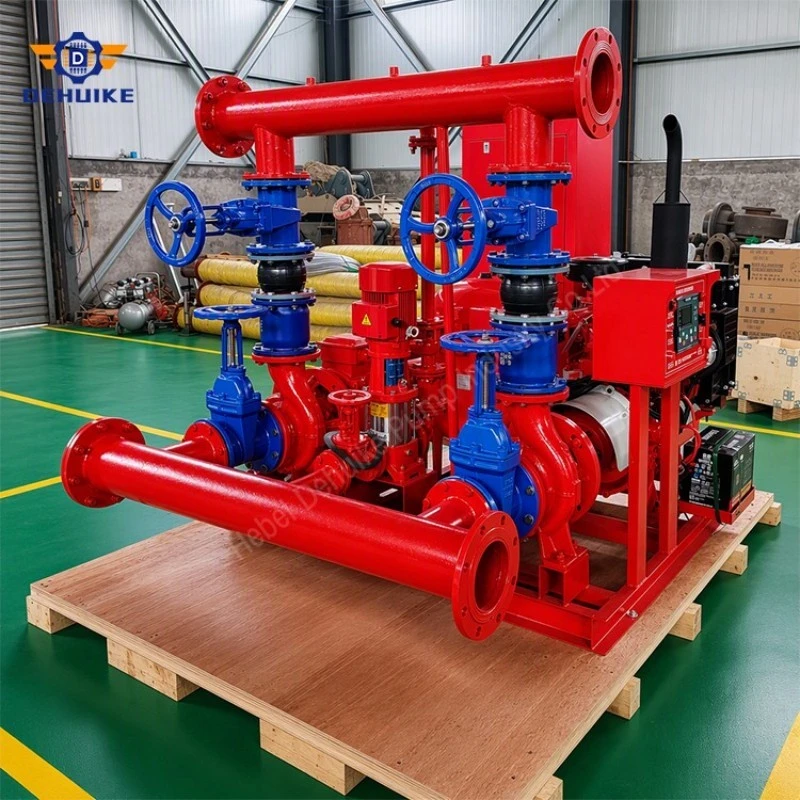
The starting point for selection is the fire-water demand. The required flow and pressure should come from the project fire protection design, not from guesswork. The pump must be matched to the duty point required by hydrants, sprinklers, or other fire-fighting outlets after pipe loss and elevation are considered. If the building has multiple zones, the most demanding zone should be reviewed.
The water source is equally important. A pump supplied from a tank, reservoir, municipal line, or underground source will have different suction conditions. The site should confirm normal water level, minimum water level, suction pipe diameter, suction length, valve arrangement, available net positive suction condition where relevant, and whether the suction line may introduce air. Poor suction design can cause unstable performance even if the pump is correctly selected.
Discharge conditions should be recorded with the same care. The discharge header, check valve, isolation valve, test line, relief arrangement where used, and fire network connection all influence commissioning. The pump set should be reviewed as part of the whole fire-water system rather than as a standalone machine.
Control Cabinet and Operating Modes
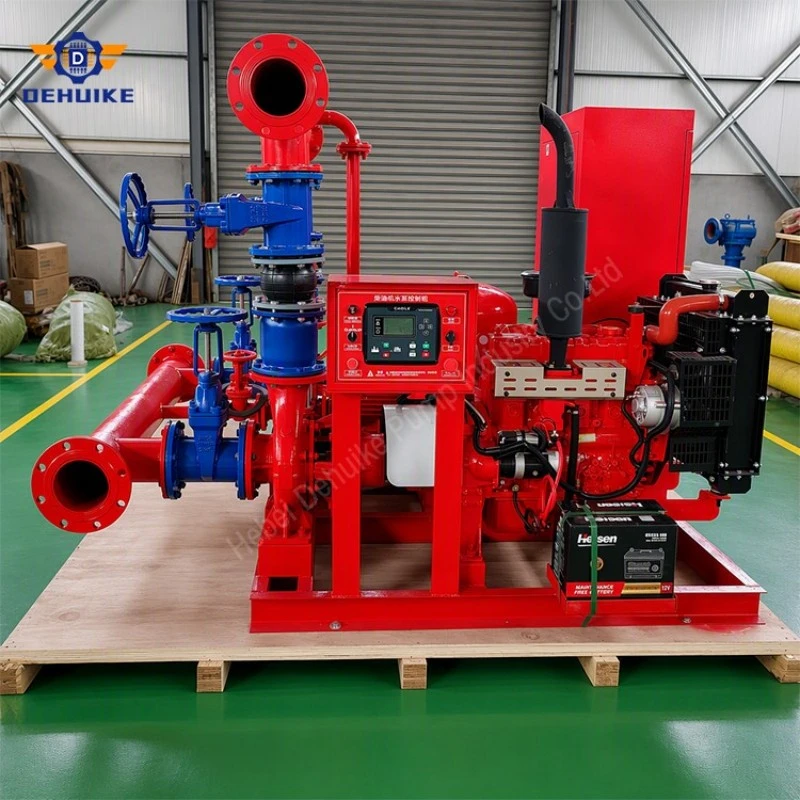
Mode selection should be clear to operators. Common modes may include automatic, manual, test, and stop or reset functions depending on the controller design. The operating labels and alarm indications should be understandable for the maintenance team. If the project requires remote monitoring or building management connection, the signal list should be confirmed before production.
Automatic start does not remove the need for human inspection. Operators should still check controller status, pressure readings, valve position, power availability, battery condition where used, fuel level where used, and any alarm history. The automatic function is most valuable when routine checks keep the set ready before an emergen cy occurs.
Installation and Commissioning Priorities
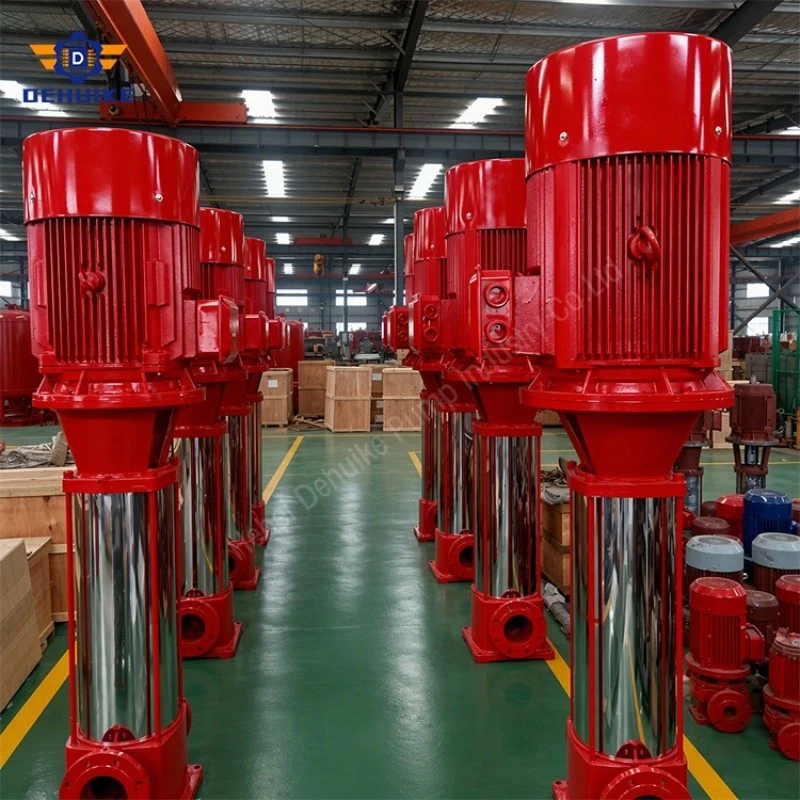
Installation should begin with foundation and pipe preparation. The base should be level, stable, and suitable for the pump package weight. Suction and discharge piping should be independently supported so the pump nozzles do not carry pipe stress. Misalignment, unsupported piping, or tight pipe correction at the flange can create vibration, leakage, or bearing load.
Before the first start, verify pump rotation direction, electrical connection, grounding, valve position, water availability, controller setting, pressure-sensing line, and instrument condition. For diesel-driven equipment, check fuel, oil, coolant, batteries, exhaust routing, and ventilation according to the confirmed configuration. For a package with jockey pump control, check pressure setpoints and confirm that the jockey pump does not conflict with the main pump start requirement.
Commissioning should record the starting sequence, pressure behavior, running current or engine status, vibration, sound, leakage observation, controller signals, and test-line discharge condition. The record should be kept with the project documents. It helps future maintenance teams compare normal behavior with later changes.
Routine Testing and Readiness
A fire pump set is a standby safety system. Its value depends on readiness, not daily production output. A routine inspection plan should be established after commissioning. The plan may include checking controller status, valves, gauges, water level, power supply, batteries, fuel level, room condition, pipe leakage, pump room cleanliness, and test operation records.
The test procedure should follow the project requirement and local fire management rules. Operators should confirm that test water can be discharged safely or returned through the approved test line. During test running, observe pressure, flow indication where available, vibration, abnormal sound, temperature, leakage, and controller response. Any fault should be recorded with corrective action and completion date.
Spare parts should be practical and configuration-specific. Possible items may include gaskets, mechanical seal parts, packing where applicable, pressure switches, gauge components, controller consumables, battery-related parts for diesel sets, and selected valve accessories. The list should be based on the supplied equipment rather than a generic catalogue.
Application Areas
Commercial buildings
Automatic fire pump sets can serve hydrant and sprinkler networks in office buildings, hotels, shopping centers, warehouses, and parking structures when the project requires a dedicated fire-water pressure source.
Industrial plants
Factories and processing facilities may need a pump package for hydrants, deluge points, foam systems, or plant fire-water loops. Site power reliability and water-source security should be reviewed.
Residential complexes
High-rise or multi-building communities may require automatic pressure support for fire hydrant and sprinkler networks according to the building design.
Logistics and storage facilities
Large storage areas may require automatic pumping capacity for sprinkler networks and hose stations. The pump set should match the protected area and fire-water storage design.
Municipal and infrastructure projects
Stations, tunnels, public facilities, and utility sites may use automatic pump sets where fire-water demand must be available from a controlled pump room.
Buyer Selection Checklist
To prepare a meaningful quotation, collect the project information before asking for a model. The most useful data includes required flow, required pressure or head, fire system type, water source, suction condition, power supply, pump quantity, driver type, control requirement, room layout, pipe interface, and document needs. If the project is still in design, mark uncertain items as pending.
For the controller, state whether the set needs electric start only, diesel standby, electric plus diesel combination, jockey pump control, remote alarm contacts, local indication, or a special enclosure. For the pump side, state whether end suction, split case, vertical turbine, or another pump arrangement is expected by the project. If no pump type is specified, provide the duty point and site information for review.
FAQ
Q: What is an Automatic Fire Pump Set used for?
A: It is used to provide automatic starting fire-water pressure and flow for hydrant, sprinkler, hose reel, or other approved fire-fighting networks.
Q: Does automatic mean the pump stops by itself after a fire event?
A: Not always. Start and stop logic must follow the project design and local fire rules. Many fire pump systems require manual stop after automatic start.
Q: What information is needed for selection?
A: Provide required flow, pressure or head, water source, suction condition, fire system type, power supply, driver requirement, control logic, and installation layout.
Q: Can the set include a jockey pump?
A: Yes, when the project requires pressure maintenance for small leakage or normal pressure drop. The jockey pump setting should be coordinated with the main pump start point.
Q: Can electric and diesel pumps be supplied together?
A: They can be configured together when the project requires a standby driver or dual-source arrangement. The final package depends on the duty and control requirement.
Q: What should be checked during commissioning?
A: Check rotation, valve position, water source, controller setting, pressure signal, start sequence, discharge condition, vibration, leakage, and alarm response.
Q: What documents should be requested?
A: Request the approved technical data, layout drawing where agreed, controller information, packing list, operation notes, test record, and order-specific inspection documents.
Q: Can the written product information be used as proof of fire-code approval?
A: No. Fire-code approval depends on project design, local authority requirements, supplied documents, installation, and commissioning. Certification or approval claims should only be used when applicable documents are confirmed.

Quotation Data Checklist
For an Automatic Fire Pump Set proposal, send the required flow, pressure or head, fire system type, water source, suction level, pump room layout, pipe connection size, power supply, driver preference, jockey pump requirement, control cabinet needs, quantity, destination, and document requirements. A drawing, pump room sketch, or fire system schedule can help align the pump set with the real project requirement.
Hot Tags: automatic fire pump set, China automatic fire pump set manufacturers, suppliers, factory