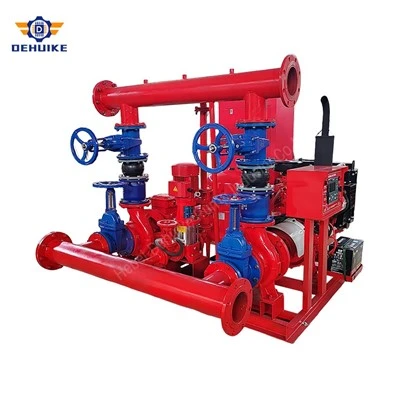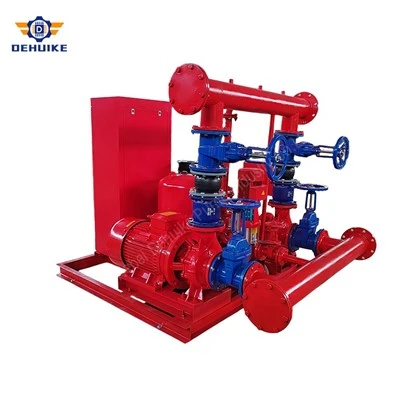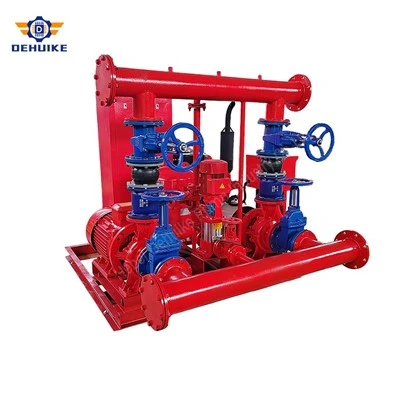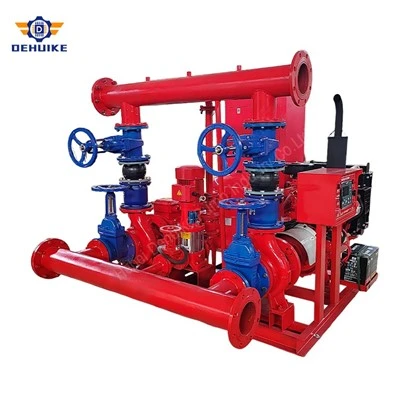

Hebei Dehuike Pump Industry Co., Ltd. is one of the most reliable manufacturers and suppliers of electric motor driven fire pump set in China. With abundant experience, we are committed to providing high quality customized pumps with competitive price. Welcome to wholesale bulk electric motor driven fire pump set for sale here from our factory. Also, pricelist is available.
Product Overview | Bring the Pump Room Equipment into One Defined Package
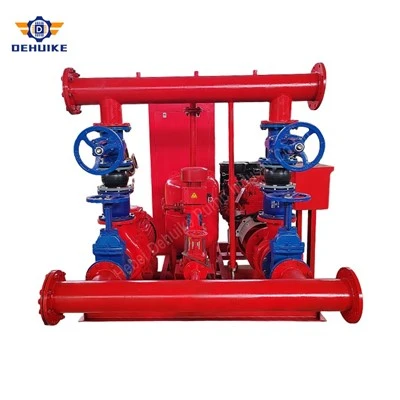
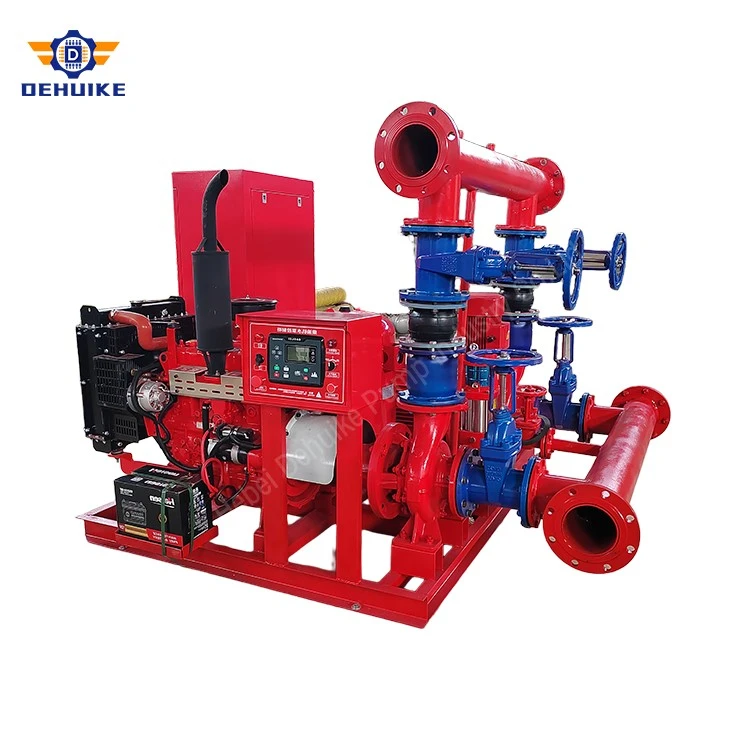
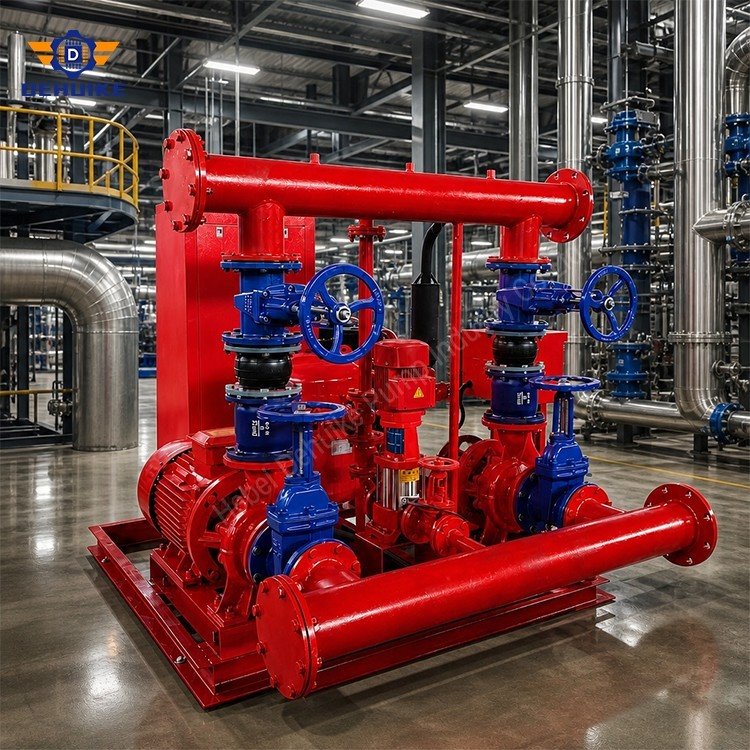
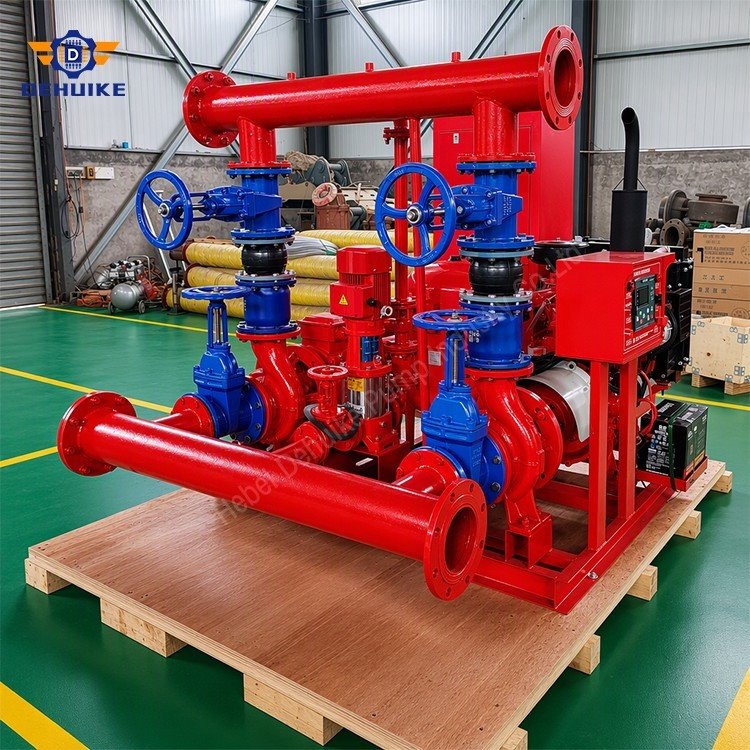
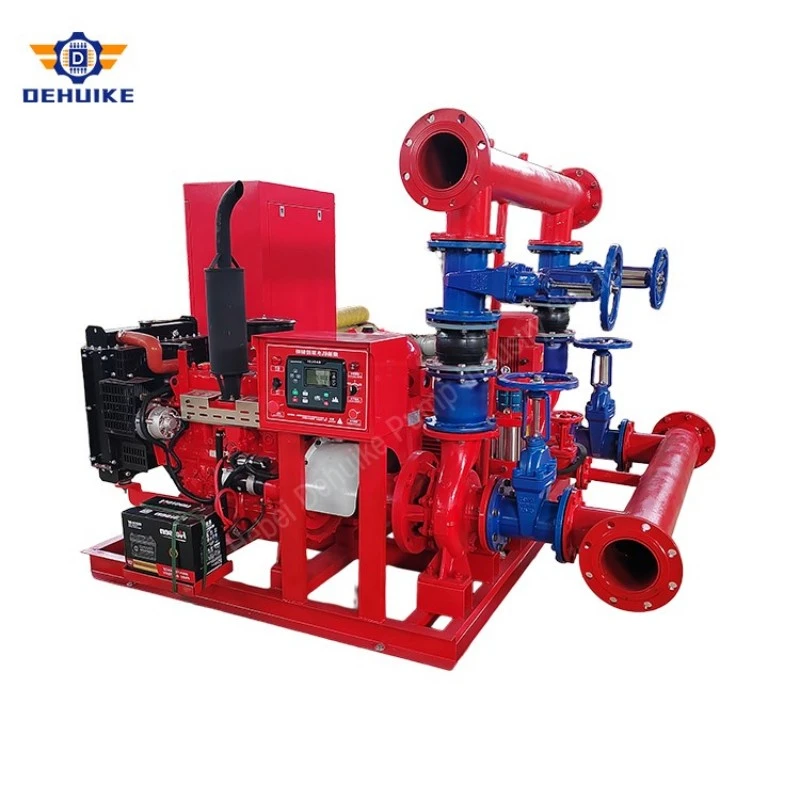
A fire-water pump room contains more than a pump and its driver. It connects a water source with the protected network, while electrical equipment, engine equipment and controls perform different jobs around that hydraulic path. An Electric and Diesel Fire Pump Set brings these elements into a coordinated equipment proposal. The purpose is to establish which unit delivers the required water under each approved operating condition and what the site must provide for that arrangement to work.
For a contractor, the first useful distinction is between the pumping requirement and the drive arrangement. The fire-protection design establishes the required water delivery. The equipment selection then identifies the pump construction and driver suitable for that duty. An electric unit and a diesel unit should each have an identified role and an applicable performance basis. Their presence in one package does not independently establish compliance, automatic changeover or a particular standby capacity.
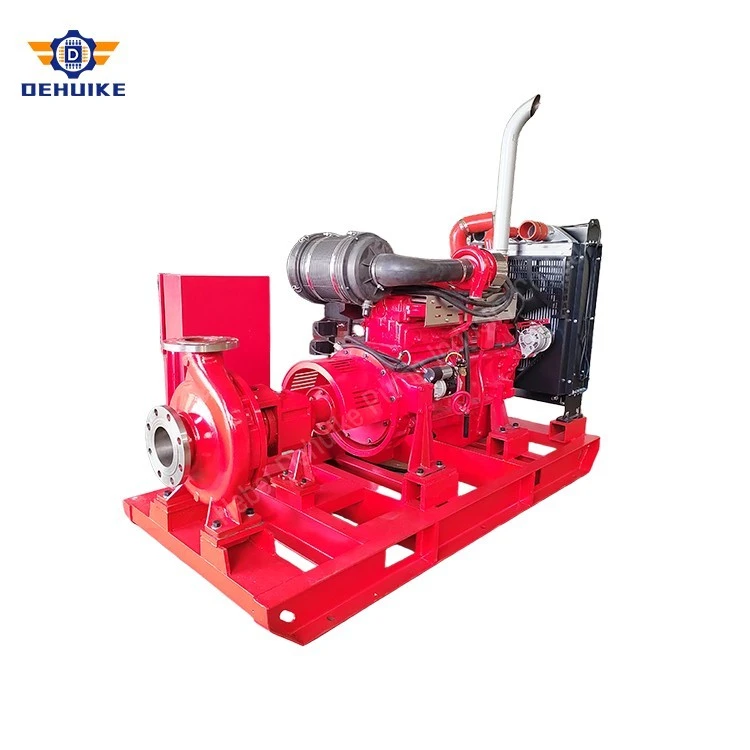
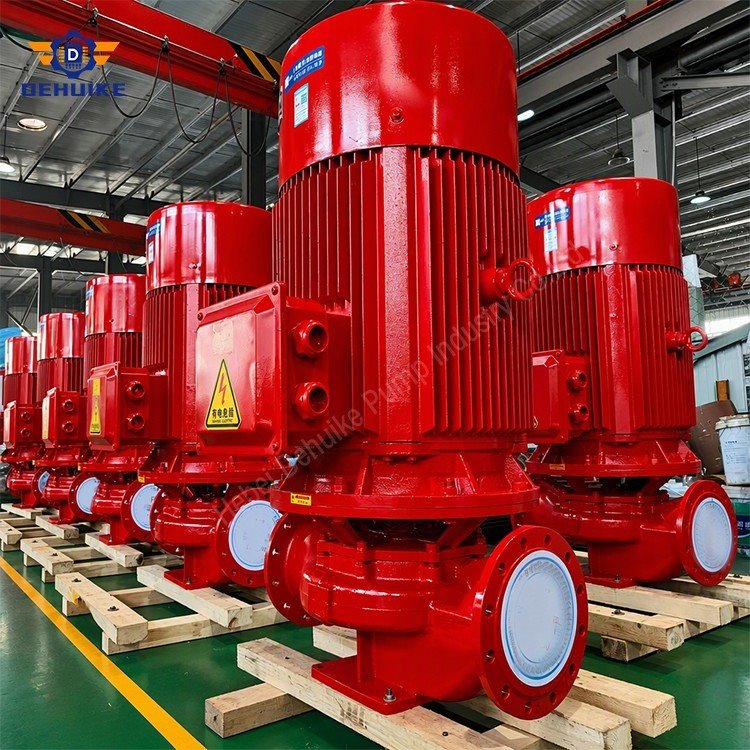
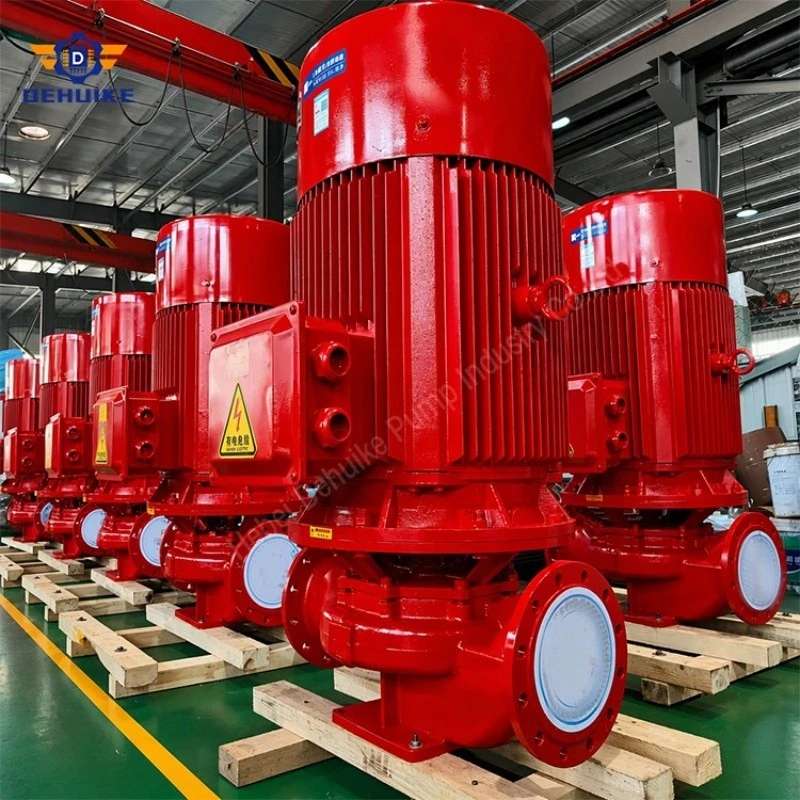
The range described here includes XBD-L vertical single-stage, XBD-W horizontal and XBD-GDL vertical multi-stage electric options. Diesel-driven equipment, pressure-maintaining equipment and control devices can be discussed within the same supply. This gives the buyer a way to define the complete pump-room scope while keeping the individual equipment responsibilities visible. The resulting assembly should follow the approved project design and the requirements applicable at its destination.
Technical Parameters and Pump Set Configuration
The configuration schedule below separates pump families from supporting equipment. Values describe the available reference information for each group; they are not the rating of one universal assembled set. Select complete model records and their curves when developing the final equipment schedule. In particular, a broad family range cannot demonstrate that its highest capacity and highest pressure are available together on the same model.
|
Equipment role |
Reference family |
Listed data |
Package selection focus |
|
Electric pump in vertical arrangement |
XBD-L single-stage |
5–100 L/s; 0.22–2.2 MPa; 3–200 kW; 50–200 mm |
Review the selected duty and vertical assembly drawing. |
|
Electric pump in horizontal arrangement |
XBD-W |
5–80 L/s; 0.18–2.61 MPa; 2.2–180 kW; source caliber J50–J150 mm; medium ≤80°C |
Confirm the caliber notation and offered connection details. |
|
Multi-stage electric alternative |
XBD-GDL |
40–100 L/s; 45–150 m; 0.45–1.5 MPa; 2900 r/min; 22–160 kW |
Use a complete model record for the required condition. |
|
Diesel-driven assembly |
Diesel fire-pump references |
10 / 15 / 20 / 25 L/s; source head/pressure field 0.20–1.62, unit unspecified; 1500 / 2000 / 2200 / 2300 / 2400 r/min; shaft 2.68–48.3 kW; motor field 4–55 kW; engine 5.67–60 kW |
Resolve units and driver-field meaning before package approval. |
|
Pressure maintenance |
Z(W/L) vertical equipment |
Pressure boosting and stabilization; no numerical rating supplied |
Identify the device and its role separately from main fire duty. |
|
Controls |
Project control device |
No detailed control rating or sequence supplied |
Define equipment interfaces and the approved operating description. |
Use the schedule to identify which equipment needs detailed review. The electric family and diesel package must be related to the required duty, while pressure maintenance and controls have their own functions. List the relevant drawings, curves and component identities beside the selected items. This creates a clear technical basis for pricing and approval rather than leaving the package defined only by a product name and a combined equipment photograph.
Operating Arrangement | Separate the Drive Roles and Supporting Functions
The electric section uses the site's specified electrical arrangement to drive its selected pump. Its role, start demand and operating conditions belong in the approved fire-water design. The equipment proposal should identify the motor and applicable controller rather than assume that any general-purpose electrical package is suitable. For the buyer, the practical question is which electrical interfaces are supplied and which remain part of the site's installation work.
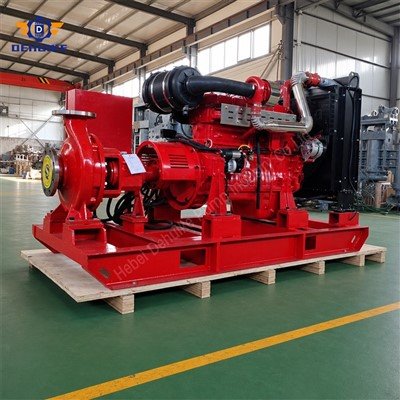
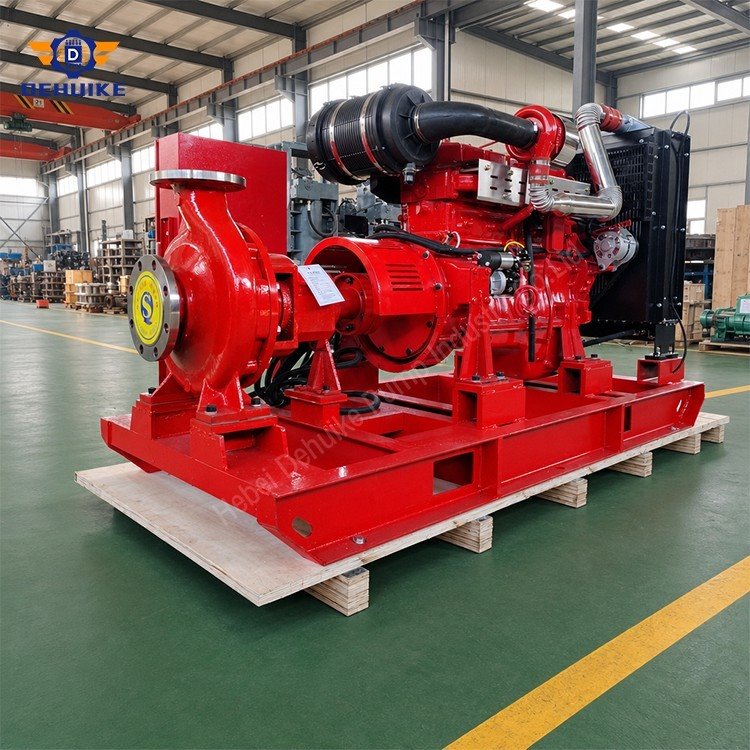
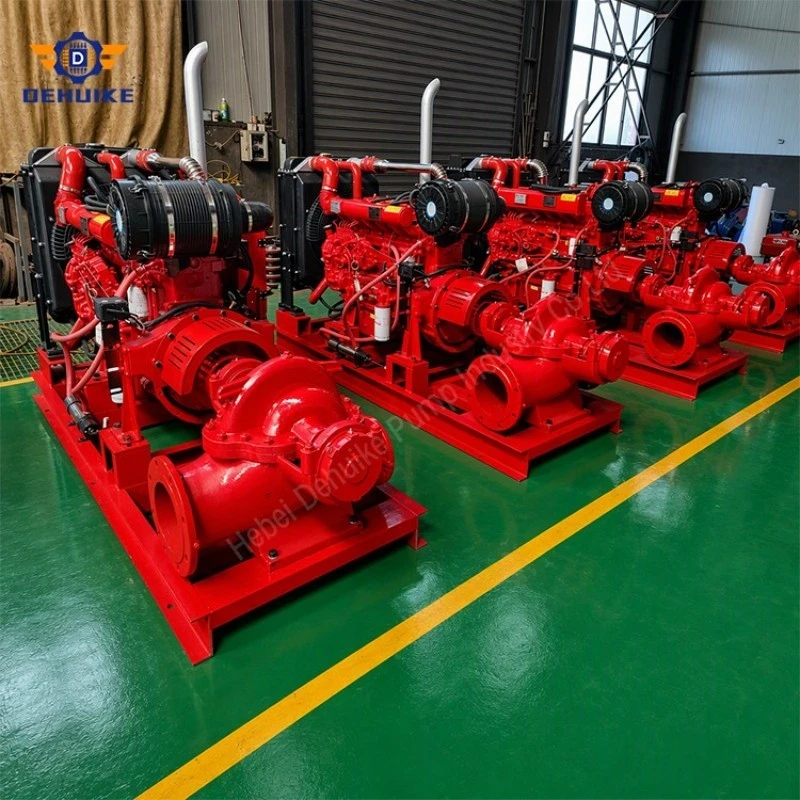
The diesel section provides a drive that does not depend on the main pump's electrical motor supply. It still requires its own approved engine arrangement and supporting equipment. Describe the pump, engine and controller together, with the responsibilities for fuel, exhaust, ventilation and other applicable services made clear. Independence of drive is a useful distinction; it does not remove the need to review the water source and any other common system interfaces.
The operating relationship between units must be explicit. Identify the intended duty of each pump and the sequence described by the approved design. Where a project requires standby performance, the diesel selection should demonstrate the applicable duty rather than merely carry a standby label. The Electric and Diesel Fire Pump Set should therefore be presented through individual equipment records and an agreed control description that explain the combined arrangement.
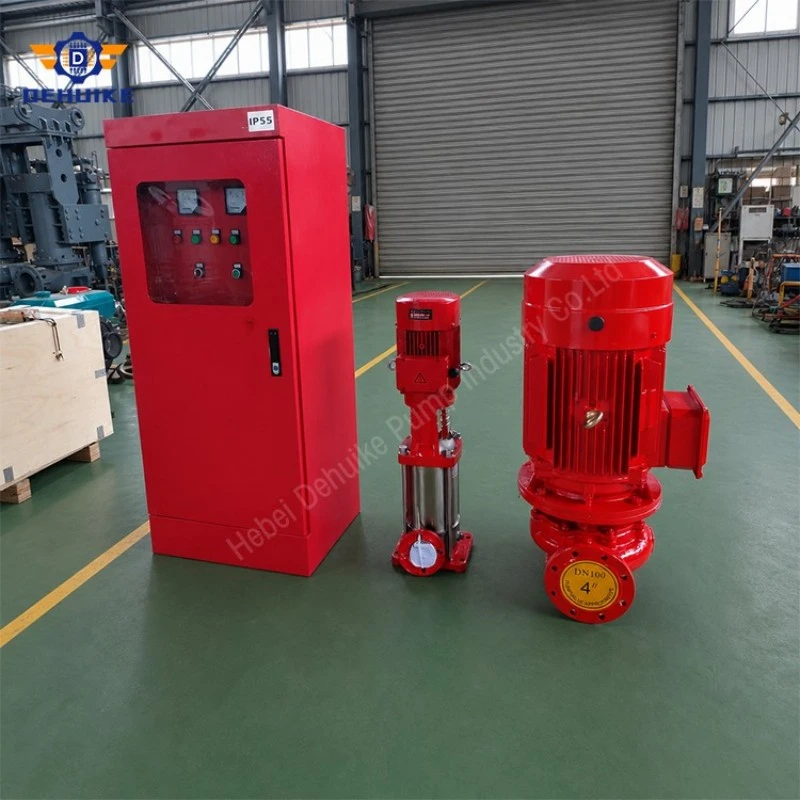
Pressure-maintaining equipment serves a separate purpose within the network. It should have its own identity and design basis and should not be counted as a substitute for the main fire-water delivery requirement. Control devices likewise need a defined scope: equipment interfaces, monitored conditions and site connections should be listed in the proposal. This keeps supporting functions visible while preserving the distinction between pressure maintenance and the pumps selected for fire demand.
Package Benefits | Clear Interfaces for the Project Team
One practical advantage is a shared equipment boundary. The buyer can discuss the electric pump, diesel assembly and related devices within one coordinated offer, while retaining a separate specification for each item. This makes it easier to see what the manufacturer supplies, what another contractor provides and where the interfaces occur. A combined quotation is most useful when it removes those uncertainties rather than simply bundling several equipment names under one price.
Another advantage is the choice of pump arrangement. A vertical unit may be considered where its geometry suits the room; a horizontal assembly may suit a different access and foundation plan. Multi-stage equipment offers another hydraulic construction for review against the required condition. The decision should use actual drawings and curves. Floor area alone does not establish the correct model, and a preferred layout should not override the specified water duty.
Coordinated documentation is valuable throughout the project. Pump curves, driver data and installation drawings should refer to the same selected equipment. The electric and diesel records can then be reviewed against one project requirement without mixing their ratings or assuming identical hardware. For a distributor or contractor, this also improves later communication: an enquiry about a controller or engine can be linked to the appropriate assembly instead of relying on the general name of the station.
A defined package also makes commercial comparison more meaningful. Similar quotations may include different controls, auxiliaries, instruments or site services. Itemizing them allows the buyer to distinguish a genuine equipment difference from an excluded deliverable. Buyers can evaluate the Electric and Diesel Fire Pump Set as a complete proposed scope, with the performance requirements and remaining site work visible before the order is placed.
Applications | Buildings Industry and Public Infrastructure
Building fire-water projects may involve hydrant or sprinkler networks and other services established by the approved design. The pump selection needs the required delivery at the relevant condition, together with source information and installation details. The package name does not itself approve the equipment for a particular network. The responsible design and acceptance process should identify the applicable requirements and the evidence needed for the proposed assembly.
For taller buildings, elevation and the network arrangement influence the required pressure. The design may involve additional considerations beyond a single pump-room selection. Vertical single-stage and multi-stage references can be investigated where their confirmed performance suits the requirement. The diesel arrangement should be reviewed on the same project basis. Building height alone is insufficient to identify a model or to establish that a particular electric-and-diesel combination is acceptable.
Industrial sites often contain several water systems with different purposes. Identify the fire-water service separately from process circulation, cooling or drainage equipment. A pump selected for another utility cannot be assumed suitable merely because it has a similar capacity. The enquiry should identify the protected project's approved duty and applicable equipment requirements. Site conditions that affect engine installation or electrical equipment also need to be included in the package review.
Public facilities and infrastructure projects may have particular approval and documentation procedures. Address those requirements before selecting the equipment and planning inspections. The useful offer connects each pump and driver with the project's specified duty and identifies any required supporting devices. Where independent drive is requested, explain how it is incorporated without assuming that the arrangement has already been accepted by the relevant project authority.
For a site containing both fire-water and other pumping duties, keep the equipment schedules distinct. A supplier's wider product range may assist coordination, but each service retains its own construction, performance and acceptance basis. This is especially important when a procurement package includes clean-water, wastewater or process pumps alongside fire equipment. Shared sourcing can simplify administration while the technical differences remain clearly documented.
Selection Method | Build the Pump Schedule Around the Approved Duty
Start with the required capacity and pressure or head stated by the project designer. Preserve the units and reference conditions when passing that information to the supplier. The duty should reflect the system calculation and the demand established for the protected facility. A quotation based on an assumed building type or a general catalogue range cannot replace this information. Where inputs remain provisional, identify them as such before model approval.
Next, compare the electric alternatives against the required condition and the actual room arrangement. XBD-L, XBD-W and XBD-GDL describe different constructions, so their drawings and applicable curves should be reviewed individually. Consider the base and connection requirements, service clearance and the selected driver's interfaces. The available family range helps narrow the discussion, while the model-specific record establishes the proposed equipment.
Treat the diesel option as a complete driven assembly. The pump duty, speed, absorbed-power information and engine selection belong together. Engine power is not interchangeable with pump shaft power, and a motor field in a reference schedule does not define the diesel package. Ask for the identified pump and engine, the applicable performance information and the agreed equipment scope. This allows the proposed standby role to be assessed against the actual requirement.
Develop the room layout with the equipment's site needs included. Electrical connections, engine access, ventilation, exhaust and fuel arrangements require appropriate project design. Supporting devices and pipe interfaces should be shown in enough detail for the installation team to understand its responsibilities. Use the manufacturer's applicable instructions and the approved design for these provisions; a product description is not an installation procedure or a substitute for the site's engineering review.
Finally, reconcile the water condition with the selected construction. The reference service is clean water without solid particles, or a liquid with similar physical and chemical characteristics. The XBD-W information lists an upper medium temperature of 80°C. That figure should not be transferred automatically to other families. An unusual source, sediment or potentially corrosive constituents should be described to the supplier before the equipment is approved. The Electric and Diesel Fire Pump Set must be assessed for the water it will actually handle.
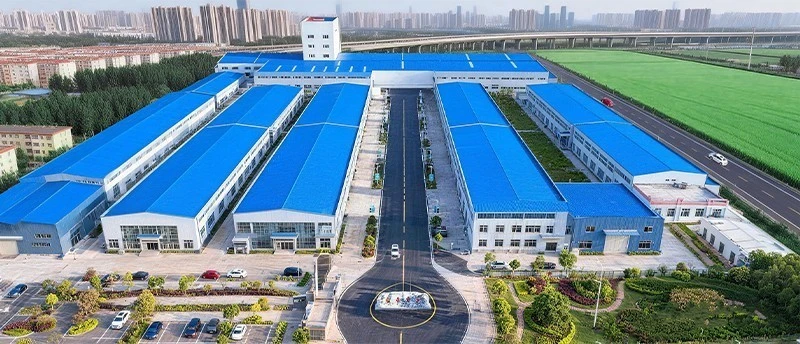
Hebei Dehuike Pump Industry Co., Ltd. is described in the company information as combining development, production, sales and service. For this package, the useful expression of that capability is a proposal connecting the selected pumps with their drivers, drawings and supporting equipment. The buyer should be able to identify the manufacturer and scope for each assembly. A clear technical record matters more to the project than a general statement that several pump types can be supplied.
Manufacturing coordination begins with released equipment information. The selected hydraulic reference, construction and driver arrangement should agree across the order and approval documents before production proceeds. Casting, machining, component inspection and assembly then follow the applicable manufacturing requirements. Where the project requires evidence at particular stages, identify it in the inspection plan. That connects the production activity with the acceptance decision the buyer will later need to make.
The company profile reports an industry history exceeding 40 years and customers in more than 90 countries. These are supplier-profile statements rather than operating evidence for a particular fire-pump assembly. Buyers relying on them for qualification should request current, relevant supporting information. For the proposed order, comparable references and a defined documentation process are more useful than assuming that general export experience establishes approval at every destination.
The broader catalogue includes more than 30 industrial pump series according to the company profile. This may assist customers procuring several pumping services on one project. Fire equipment nevertheless needs its own identified selection and acceptance scope. The Electric and Diesel Fire Pump Set should remain a separate equipment record, even when supplied alongside irrigation, clean-water, drainage or process pumps. This preserves the requirements of each service while allowing commercial coordination.
Quality Control Service Support and Purchase Value
The first quality check is consistency between the project requirement and the offered equipment. Confirm the exact pump records and associated drivers before examining assembly details. A rating copied from one family must not be combined with the speed or engine of another. The inspection scope should identify which construction and configuration are being verified. This gives the manufacturer and buyer a common basis for reviewing any proposed change during production.
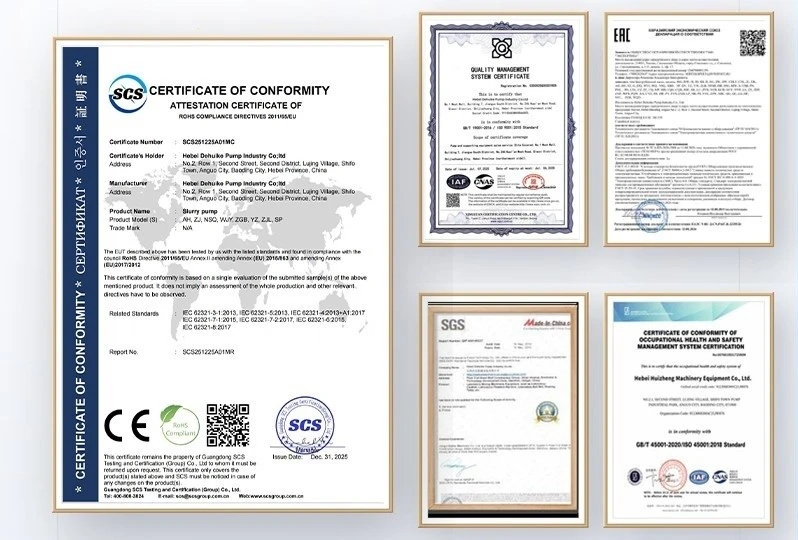
Testing needs a defined purpose and applicable acceptance method. Establish the performance evidence and other inspections required for the order, including any witnessing or document review. A reference data table is not an individual test certificate. Likewise, a supplier's quality-system certification does not establish product-specific acceptance. Reports should identify what was examined, the conditions applied and the equipment concerned, so their relevance remains clear at handover.
Support should be itemized in the commercial offer. Technical clarification, drawings, operating information and parts identification are different from site attendance, commissioning assistance or training. State which services are required and whether they are included. For an overseas installation, also establish how support will be requested and what information should accompany an enquiry. A broad service description should not be interpreted as an unqualified response-time or local-stock promise.
A complete equipment file remains useful after installation. Retain the final drawings, approved configuration, relevant reports and instructions, together with accepted changes. Record the pump, electric driver, diesel engine and controller identities where applicable. Later service enquiries can then be directed to the correct assembly. The purchase value of coordinated supply depends in part on this continuity of information, particularly when the original project team is no longer responsible for the equipment.
Hot Tags: electric motor driven fire pump set, China electric motor driven fire pump set manufacturers, suppliers, factory