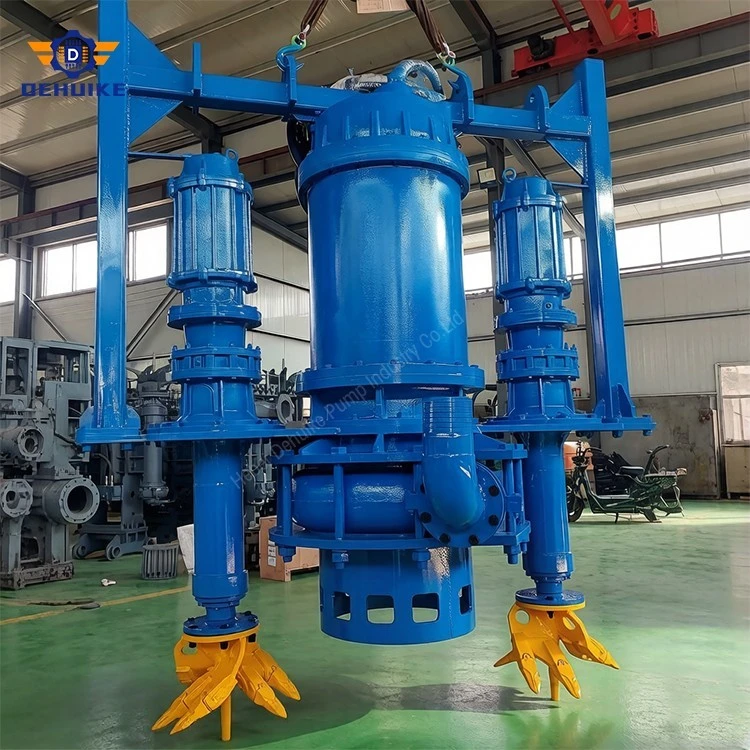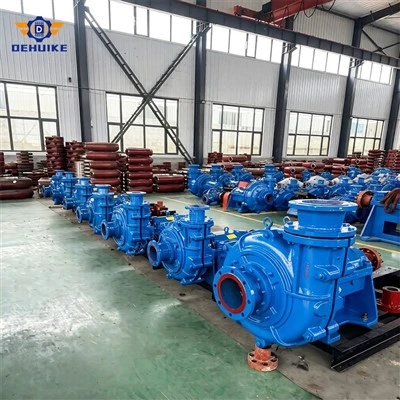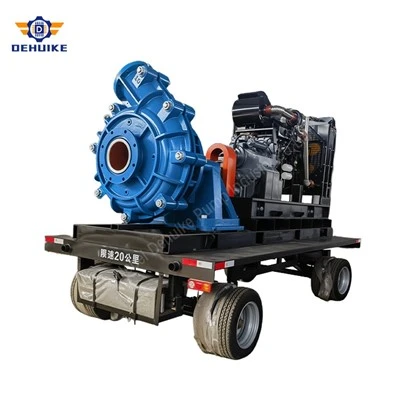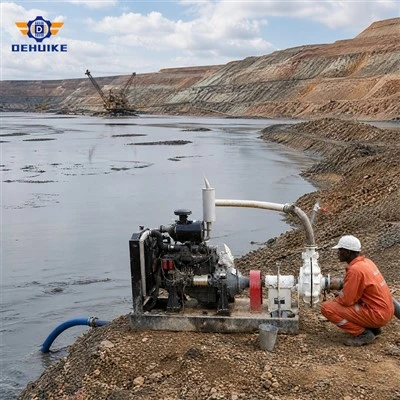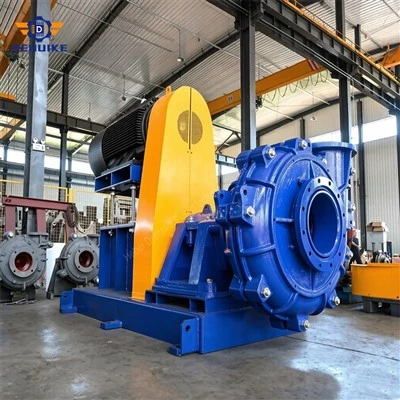

When choosing a small slurry pump, users should consider several factors. First, the pump's flow rate and head (lifting height) are critical, as they directly determine its processing capacity and range of application. Second, the characteristics of the slurry-such as its viscosity, as well as the size and concentration of solid particles-will influence the choice of pump model and materials. Additionally, users should evaluate factors like durability, maintenance costs, and energy consumption to ensure long-term economic efficiency and reliability.
Solids-Handling Capacity: This is a key metric for assessing a slurry pump's ability to handle slurries containing solid particles. When selecting a pump, check the specified maximum particle passage diameter to ensure it can handle the types of solids-such as gravel-likely to be encountered at the job site. Generally, handling slurry that contains gravel requires a pump with a passage diameter of at least 8 mm.
Wear-Resistant Design: Because slurry pumps are subject to abrasion from solid particles, a wear-resistant design is essential. A dual-layer metal volute structure can extend the pump's service life by up to three times compared to a single-layer design. For acidic slurry environments, a rubber lining is a superior choice, as it effectively resists corrosion from acidic substances.
Power Matching: Select an appropriate power configuration based on operational requirements. A 1.5 kW motor is suitable for transporting slurry over distances of up to 30 meters; for longer distances, a motor with a power rating of 3 kW or higher is required to ensure the slurry can be effectively transported to its destination.