Industry demand for heavy-duty gravel pumps is increasing as river dredging, mining slurry transfer, and infrastructure projects require more reliable high-solids pumping solutions.
Industry News | Pump Technology & Slurry Handling
As dredging, mining, water conservancy, and infrastructure projects continue to expand across different regions, the demand for reliable gravel pumps is becoming more noticeable in the industrial pump market. Unlike standard clean-water pumps, gravel pumps are designed to handle abrasive slurry containing sand, gravel, mud, tailings, and other high-solid materials.
In many field applications, the pump is no longer required simply to move water. Contractors and project owners now need pumping equipment that can operate in difficult media, resist abrasive wear, reduce blockage risk, and support continuous work under demanding conditions. This shift is making heavy-duty gravel pumps an important part of modern slurry handling systems.
Gravel Pumps Are Becoming Essential in High-Solids Pumping Applications
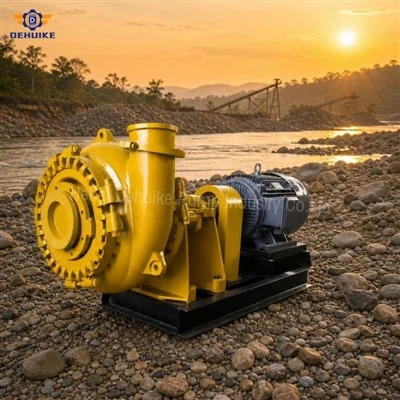
Gravel pumps are widely used in working conditions where ordinary centrifugal pumps may suffer from rapid wear or unstable performance. These pumps are commonly applied in river dredging, sand extraction, tailings transfer, construction slurry discharge, and sediment removal.
Typical materials handled by gravel pumps include:
River sand and coarse sediment
Gravel-containing slurry
Mining tailings
Mud and silt mixtures
Construction slurry
Desilting materials from ponds, lakes, and reservoirs
For these applications, the pump must be able to pass solid particles while maintaining enough flow velocity to prevent material settlement inside the pipeline. This requirement has pushed many buyers to pay closer attention to pump structure, flow passage design, material selection, and maintenance accessibility.
River Dredging and Sediment Removal Remain Key Demand Drivers
River maintenance and waterway dredging are among the most common uses for gravel pumps. Over time, rivers, reservoirs, and drainage channels can accumulate sand, mud, and silt. If sediment is not removed, it may reduce water flow capacity, affect navigation, increase flooding risk, or lower water storage efficiency.
In these projects, gravel pumps are often used to transfer sand-water mixtures from the dredging point to a discharge area, stockpile zone, or separation system. The working environment is usually unstable. Fine sand, thick mud, small stones, and organic deposits may appear in the same project area.
This is why pump users increasingly prefer heavy-duty gravel pumps with:
Wider flow passages
Wear-resistant wet-end components
Stronger pump casing structures
Better resistance to blockage
Easier replacement of wearing parts
Stable performance under changing slurry concentration
For contractors, stable operation can be more important than theoretical maximum capacity. A pump that can continue working through a full shift with predictable maintenance often provides better project value.
Mining and Tailings Transfer Require Stronger Slurry Pumping Solutions
Mining operations are another important market for gravel pumps. Tailings, mineral slurry, and washing plant discharge often contain abrasive particles that place heavy stress on pump components. In these environments, pump wear directly affects production continuity and operating cost.
A suitable gravel pump must be selected according to slurry density, particle size, corrosive properties, pipeline distance, required head, and working hours. In many cases, buyers also need spare parts planning before the pump enters service, because impellers, liners, seals, and other wet-end components may need periodic replacement.
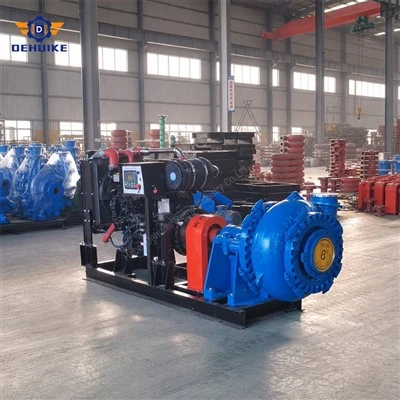
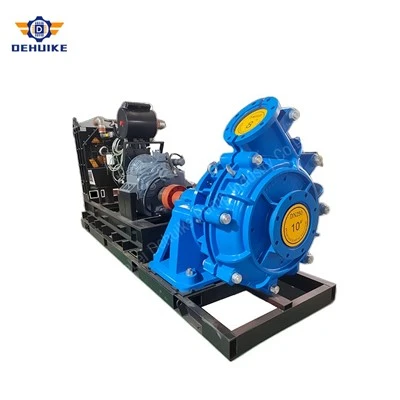
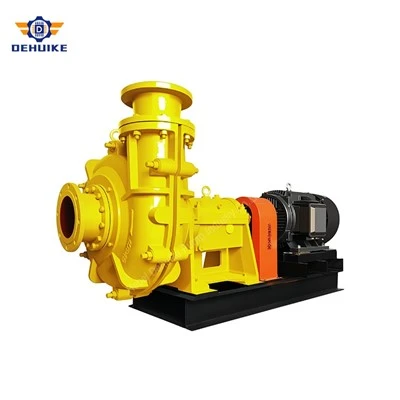
The market is also showing greater interest in pump units that can be configured with electric motors or diesel engines. Electric-driven units are often used in fixed plants or sites with stable power supply, while diesel-driven pump systems are more common in remote dredging or temporary construction areas.
Buyers Are Paying More Attention to Total Operating Cost
In the past, some buyers focused mainly on purchase price and pump size. Today, more engineering users are evaluating the total cost of operation, including wear life, maintenance frequency, spare parts availability, downtime risk, energy consumption, and installation conditions.
A gravel pump that is not properly selected may lead to several common problems:
Frequent blockage caused by oversized solids
Rapid impeller and casing wear
Reduced flow due to sand settlement in pipelines
Cavitation caused by excessive suction lift
High vibration from unstable slurry feeding
Unexpected shutdown during continuous operation
As a result, technical selection support is becoming increasingly important. Buyers often need to provide detailed working conditions before confirming the pump model, including flow rate, total head, suction depth, pipeline length, solid concentration, maximum particle size, and power source.
Practical Pump Selection Is More Important Than Oversizing
Industry engineers emphasize that bigger is not always better when selecting a gravel pump. An oversized pump may require higher power, increase operating cost, and create unstable flow if the actual slurry volume is not sufficient. On the other hand, an undersized pump may fail to deliver the required capacity or suffer from excessive wear when forced to operate beyond its suitable range.
A practical selection process should consider:
| Selection Factor | Why It Matters |
|---|---|
| Flow rate | Determines required pumping capacity |
| Total head | Covers vertical lift, pipe friction, and discharge pressure |
| Solid concentration | Affects wear rate and pump load |
| Particle size | Influences passage design and blockage risk |
| Pipeline distance | Requires enough velocity to prevent sand settlement |
| Suction condition | Affects pump stability and cavitation risk |
| Drive method | Electric and diesel options suit different sites |
| Maintenance plan | Reduces downtime in abrasive working conditions |
For this reason, many manufacturers and project suppliers now provide pump selection guidance before quotation instead of recommending a model only by discharge diameter.
Heavy-Duty Gravel Pump Design Trends
Current gravel pump development is moving toward more practical field performance. Rather than focusing only on nominal capacity, users are looking for equipment that is easier to maintain, more adaptable to real slurry conditions, and better suited for long operating cycles.
Key design trends include:
Wider Internal Passage
A wider passage helps reduce blockage risk when slurry contains sand, gravel, mud, or mixed sediment.
Wear-Resistant Wet-End Materials
Impellers, casings, liners, and throatbush components need stronger resistance against abrasive impact.
Modular Wearing Parts
Replaceable wear components help reduce maintenance time and extend the service value of the pump.
Flexible Drive Options
Electric motor and diesel engine configurations allow gravel pumps to be used in both fixed plants and remote project sites.
Project-Based Configuration
Instead of one standard model for all applications, more pumps are being configured according to actual site data.
Outlook: Gravel Pumps Will Continue to Support Dredging and Slurry Infrastructure
With ongoing demand from dredging, mining, construction, and water management projects, gravel pumps are expected to remain an important category within the slurry pump industry. Their value lies not only in moving abrasive slurry, but also in helping projects reduce downtime, improve sediment handling efficiency, and maintain more stable field operation.
For buyers, the most important step is to match the pump to the actual working condition. A suitable gravel pump should be selected based on real media characteristics, flow requirements, pipeline layout, and long-term maintenance expectations.
As project environments become more complex, reliable heavy-duty gravel pumps will continue to play a key role in river dredging, sand extraction, tailings transfer, reservoir desilting, and high-solids slurry transport.