

Small slurry pumps typically operate based on either centrifugal or plunger-type principles. Centrifugal slurry pumps utilize the rotation of an impeller to generate centrifugal force, which propels the slurry from the center of the impeller toward its periphery, creating a pressure differential that facilitates the transport of the slurry. These pumps feature a simple design and offer high flow rates, though their head (lifting height) is relatively limited; they are best suited for handling low-viscosity slurries with a low concentration of solid particles. In contrast, plunger-type slurry pumps rely on the reciprocating motion of a plunger to alter the volume within the pump chamber, thereby generating a pressure differential to pump the slurry. These pumps provide a high head, making them suitable for handling high-viscosity slurries with a higher concentration of solid particles, though they typically offer lower flow rates.
Technical Principles of Small Slurry Pumps
Popular Products
-
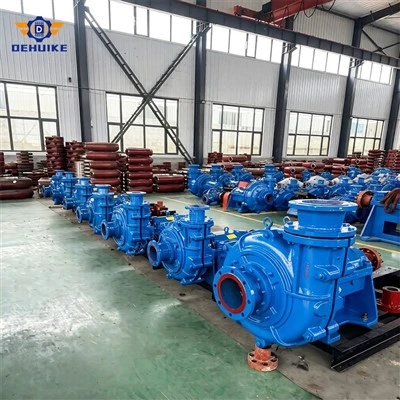
![Horizontal Centrifugal Slurry Pump Anti-Wear High Chrome Alloy Impeller Back Plate Abrasion Resistant Mining]() Horizontal Centrifugal Slurry Pump Anti-Wear High Chrome Alloy Impeller Back ...Wear is the real cost driver in most slurry systems. When quartz-rich ore, crushed rock fines or heavy tailings pass...read more
-
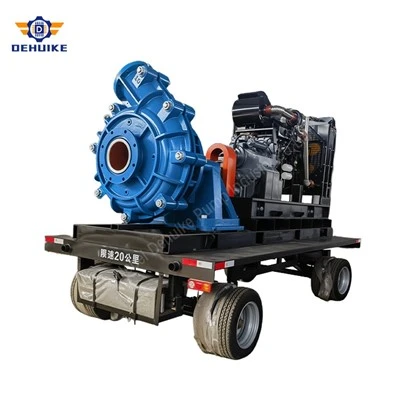
![Wear Resistant Horizontal Slurry Pump]() Wear Resistant Horizontal Slurry PumpIntroduction: Operating Environments and Mechanics of Abrasive Wear in Slurry Systems Handling aggressive,...read more
-
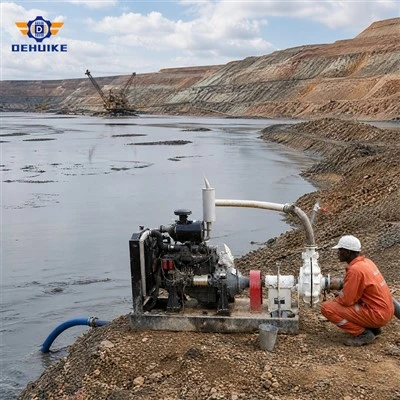
![Horizontal Centrifugal Slurry Pump A05 High Chrome Alloy]() Horizontal Centrifugal Slurry Pump A05 High Chrome AlloyA Wear-Resistant Slurry Pump Built for Demanding Industrial Duties The Horizontal Centrifugal Slurry Pump A05 High...read more
-
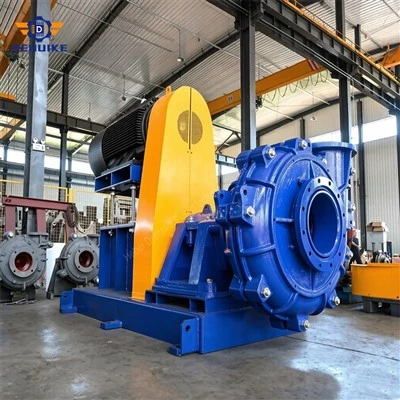
![Heavy Duty Horizontal Centrifugal Slurry Pump]() Heavy Duty Horizontal Centrifugal Slurry PumpModern Slurry Transport Dynamics and Centrifugal Pumping Architecture Hydraulic pipeline transport of solids-laden...read more
Send Inquiry